
An Alternative To Open Surgery
About to start surgery soon? Then discussions about the procedure may come up at some point. For some procedures, a minimally invasive option may be available. Minimally invasive surgery has been growing in popularity and use. Hundreds of patients experience a 95% success rate. But before a patient requests the procedure, some important questions on feasibility must be answered first.

How doctors perform MIS
Whenever possible, a patient can receive minimally invasive surgery (MIS). Surgeons typically use MIS to repair or diagnose an issue. With traditional surgeries, doctors need to open the area to see and operate. Now using an endoscope or laparoscope, doctors only need a small entrance. These devices are tubes with a small light and fiber-optic camera attached. The camera shows the surgical area clearly. In some cases, doctors pass the endoscope through natural openings like the mouth. The doctor then makes another tiny cut to insert a tool for removing tissue or repairing the damage. MIS has strong benefits compared to traditional surgery.
MIS cuts the pain
One of the most significant benefits of MIS compared to open surgery is the small incisions. Now patients can heal faster compared to large cuts with a scalpel. Smaller incisions also mean less pain and a reduced possibility of infection. In some cases, MIS reduces the hospital length of stay to 50% or more. MIS also reduces scarring and the risk of complications. Highly skilled doctors use minimally invasive surgery for procedures like heart repair, prostate surgeries, and spinal repair. Despite the many benefits, MIS is not for everyone.
Is MIS right for me?
Doctors will check a patient’s condition thoroughly before deciding on MIS. There are some things that can rule a patient out of the procedure altogether. For example, the degree of the injury or ailment may need open surgery. A good example is a tumor that has spread beyond the capabilities of MIS tools. If the patient has an underlying medical condition, doctors may opt for open surgery to correct both issues. Other factors like the patient’s age and obesity can cause complications. If the doctor feels a patient is not an ideal candidate, the doctor will use the best alternative treatment available.
Get the benefits of MIS today
From quick healing and shorter hospital stays to fewer complications, there are amazing benefits to minimally invasive surgery. For patients about to go under the knife, consult with the surgeon about the possibility of MIS. Once the procedure is available at the hospital, doctors will make sure all signs point to a successful future procedure.
Recent Posts

ACL Reconstruction: How Long Is The Recovery Timeline?
ACL reconstruction requires extensive recovery. Learn how long this timeline is for effective planning and guidance.

Shoulder Labral Tear Symptoms: When To Consider Surgery
A shoulder labral tear causes significant pain. Look for these symptoms and the criteria for pain-relieving surgery.
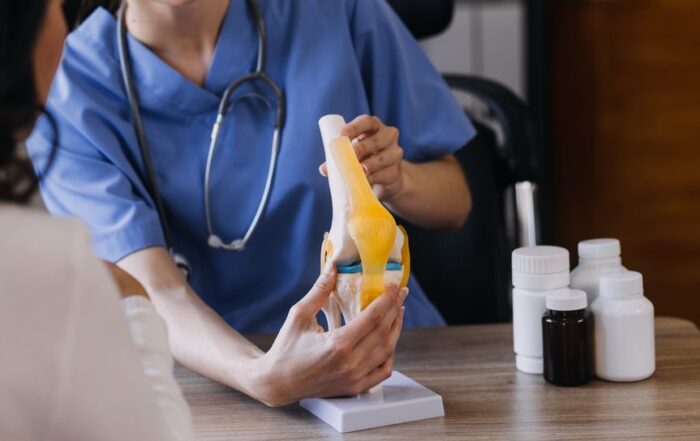
Partial vs Total Knee Replacement: Which Is Right?
Partial and total knee replacement can provide substantial relief. Learn which is best for long-term results.
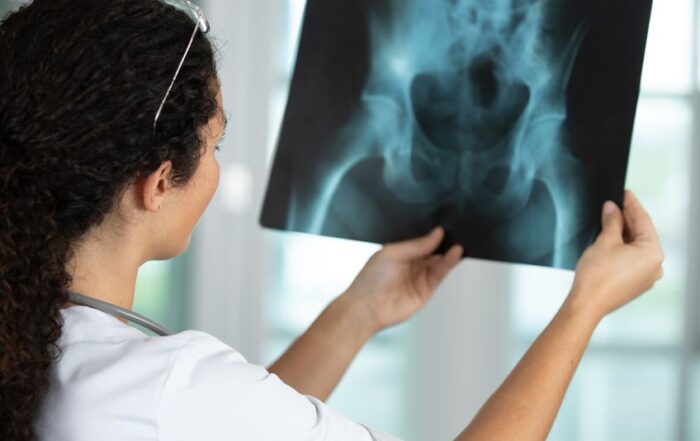
Hip Arthroscopy: Can It Treat Labral Tears And Impingement?
Hip labral tears and impingement may need surgery. Hip arthroscopy is an effective, long-term treatment option.
Recent Posts
Shoulder Labral Tear Symptoms: When To Consider Surgery
A shoulder labral tear causes significant pain. Look for these symptoms and the criteria for pain-relieving surgery.
Partial vs Total Knee Replacement: Which Is Right?
Partial and total knee replacement can provide substantial relief. Learn which is best for long-term results.
Hip Arthroscopy: Can It Treat Labral Tears And Impingement?
Hip labral tears and impingement may need surgery. Hip arthroscopy is an effective, long-term treatment option.

Meniscus Tear Surgery: When Should Patients Consider Repair?
Meniscus tear surgery is a major decision. Learn the factors that help patients to consider surgical repair.