
What Is MIS?
Minimally invasive surgery (MIS) was first practiced in the 1980s. This type of surgery continues to be a very safe and effective technique for a wide variety of surgeries. Over the past few decades, many surgeons have come to prefer minimally invasive surgery over the traditional open surgery. There are many advantages of minimally invasive surgery including a shorter stay in the hospital, less scar tissue, less blood loss, less pain, and less risk of infection.

Reasons for MIS
The list of procedures doctors can use MIS for is rapidly growing. More sophisticated technology is the precursor to this growth. Minimally invasive surgery is used today for many different types of surgery, including:
- Removal of the gallbladder
- Joint surgery
- Spine surgery
- Hiatal hernia repair surgery
- Kidney surgery
- Heart surgery
Close encounters of the robotic kind
The most cutting-edge type of minimally invasive surgery is robotic surgery. Surgeons today have access to advanced robotic systems that allow greater vision and superior control during surgery. This means that doctors can perform surgeries that are much safer and much more precise.
During the course of robotic-assisted surgery, one or more surgeons operate using a console. This device has two master controllers which enable the surgeons to guide four robotic arms. Cameras allow the surgeons to view a high-resolution 3D image on the console. The accuracy of the camera and video output allows surgeons to see the procedure more clearly than ever. Because computer software replaces actual hand movements, the incisions can be very precise.
Other types of MIS
There is also a type of minimally invasive surgery which doesn’t use robots. This is known as endoscopic surgery. This type of surgery is also sometimes called thoracoscopic surgery, laparoscopic surgery, or keyhole surgery.
An endoscope is a very thin flexible tube that has a camera on the end. During endoscopic surgery, the doctor passes the endoscope through a small incision, or a natural orifice such as the mouth, in order to reach the organs. The whole procedure can be viewed on a computer monitor, allowing much better precision.
Consult with a physician
Minimally invasive surgery uses much smaller instruments and incisions than traditional open surgery. While all surgery has some risks, MIS procedures are very safe for the patient. A person who needs surgery for a health condition or injury should ask the doctor if minimally invasive surgery would be suitable.
Recent Posts

ACL Reconstruction: How Long Is The Recovery Timeline?
ACL reconstruction requires extensive recovery. Learn how long this timeline is for effective planning and guidance.

Shoulder Labral Tear Symptoms: When To Consider Surgery
A shoulder labral tear causes significant pain. Look for these symptoms and the criteria for pain-relieving surgery.
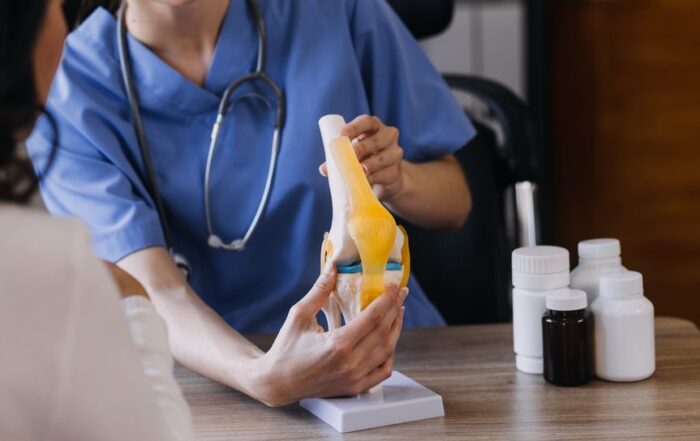
Partial vs Total Knee Replacement: Which Is Right?
Partial and total knee replacement can provide substantial relief. Learn which is best for long-term results.
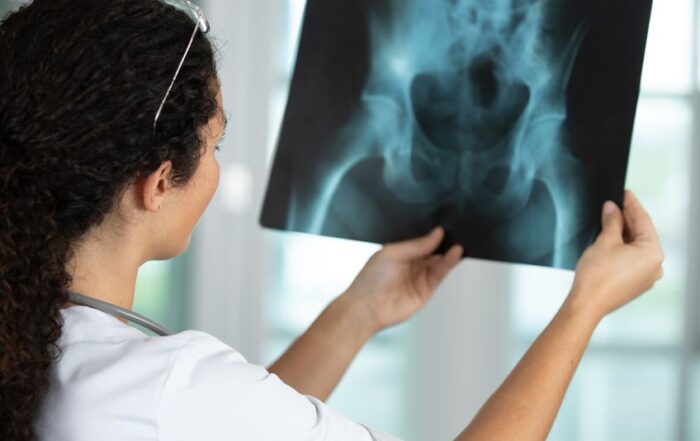
Hip Arthroscopy: Can It Treat Labral Tears And Impingement?
Hip labral tears and impingement may need surgery. Hip arthroscopy is an effective, long-term treatment option.
Recent Posts
Shoulder Labral Tear Symptoms: When To Consider Surgery
A shoulder labral tear causes significant pain. Look for these symptoms and the criteria for pain-relieving surgery.
Partial vs Total Knee Replacement: Which Is Right?
Partial and total knee replacement can provide substantial relief. Learn which is best for long-term results.
Hip Arthroscopy: Can It Treat Labral Tears And Impingement?
Hip labral tears and impingement may need surgery. Hip arthroscopy is an effective, long-term treatment option.

Meniscus Tear Surgery: When Should Patients Consider Repair?
Meniscus tear surgery is a major decision. Learn the factors that help patients to consider surgical repair.