
Torn About Your Meniscus?
A meniscus injury can create a serious dilemma. Some cases respond well to conservative care and physical therapy (PT), but many do not. Injured individuals then have to make the difficult choice of long-term therapy or surgery. Knowing when to have meniscus tear surgery is a decision that can shape long-term knee function. While effective, there are immediate and long-term considerations. Taking all factors into account, learning when to act on a possible meniscus tear injury can be a gamechanger, especially for those in high-performing physical roles.

Understanding meniscus tears
The menisci are a pair of crescent-shaped cartilage that sit at the base of the knee on top of the shin bones. Small but vital, each meniscus is the knee's natural shock absorber, protecting from pain or significant damage when walking, running, or jumping. Tears are common when the knee undergoes trauma during a sporting collision, sudden twist, or accident. Some individuals can experience a meniscus tear due to wear and tear, which is typical in individuals who have jobs that overwork the knees. Common meniscus tear symptoms include sharp, localized pain, difficulty moving without pain, swelling, and knee stiffness. Some patients report a popping sensation at the point of the injury, which can continue with movement.
Types of meniscus tears
As the meniscus has a unique shape with varying degrees of blood flow, different injuries can occur. The type of injury often guides whether surgery is necessary, along with the type of procedure the surgeon should use. Radial tears, for instance, extend from the inner edge outward while horizontal tears run the width of the meniscus, splitting the cartilage into top and bottom layers. Some individuals experience more complex tears. A bucket handle tear is a large tear where central fragment displaces and appears like a bucket handle. Similarly, a flap tear can occur where part of the meniscus detaches from the bone and causes a loose flap of tissue. Severe meniscus tears are a combination of these injuries. The type of meniscus tear can only be determined through magnetic resonance imaging (MRI) scans.
Dissecting meniscus tear surgery
Meniscus surgery involves addressing the tear, which will reduce pain and help restore function, especially for active individuals. Thanks to surgical advancements, minimally invasive surgery (MIS) is the new gold standard. Using a small incision, the surgeon inserts an arthroscope, which is a device with a light and camera attachment. The scope projects images of the knee on an external monitor, allowing the surgeon to operate with precision. Additional small incisions allow the surgeon to insert the surgical tools necessary to complete the repair. While the entry process stays the same, the technique used depends on the type of meniscus tear. The surgeon may trim away or remove damaged cartilage. Horizontal tears warrant repair, stitching together the damaged tissue to facilitate natural healing. Severe, complex tears require securing the meniscus back to the bone, removing significant parts of cartilage, or performing a meniscus transplant.
When is surgery best?
Surgery is not required in many cases, as PR, rest, pain medication, and long-term management are enough for optimal function. If conservative care fails, however, surgery is recommended. Individuals with severe pain, reduced knee function, locking, or buckling can benefit from surgery. Younger individuals, especially athletes who want to return to sports, will benefit from surgery. Since only the outer portion of the meniscus has consistent blood flow, the type of injury can guide whether surgery is best. Meniscus tears that involve areas without blood flow may not heal naturally. Surgery is more effective in these areas. A surgeon will guide patients on the best procedure to reduce pain and preserve knee health.
Long-term outcomes
Statistics show that meniscus repair is an effective option for significant injuries or chronic pain. By addressing the root cause and performing the required rehabilitation, patients can restore significant knee function. Most patients, especially athletes, experience rapid pain relief, a quick return to sports, and easier daily activities. Relief can continue long-term, but there are some risks and considerations. There is a greater chance of developing recurrent knee pain or osteoarthritis. The knee's natural shock absorbers are altered or removed, increasing the risk of future complications. Athletes in high-impact or contact sports also have a higher risk of re-injury, ligament tears, or nerve irritation.
Make the right choice
A meniscus tear is a significant knee injury, especially for high-performing athletes. The big question after the injury and initial treatment is deciding whether surgery is the right choice. There are many factors involved in the decision, from the type of injury to long-term goals. Some people can benefit from avoiding surgery, but long-term knee function may be limited. Surgery can address the root cause and provide immediate relief and a faster return to peak performance. Review all the benefits and risks with an experienced surgeon before choosing meniscus repair. The right procedure, which often involves arthroscopy, can help patients experience a healthy knee and a higher quality of life.
Recent Posts

Shoulder Labral Tear Symptoms: When To Consider Surgery
A shoulder labral tear causes significant pain. Look for these symptoms and the criteria for pain-relieving surgery.
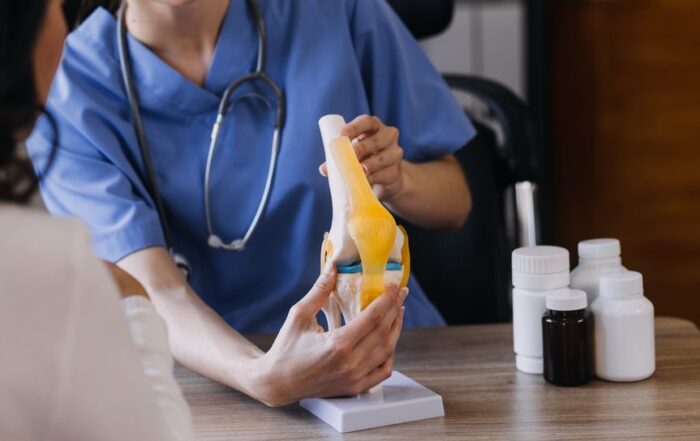
Partial vs Total Knee Replacement: Which Is Right?
Partial and total knee replacement can provide substantial relief. Learn which is best for long-term results.
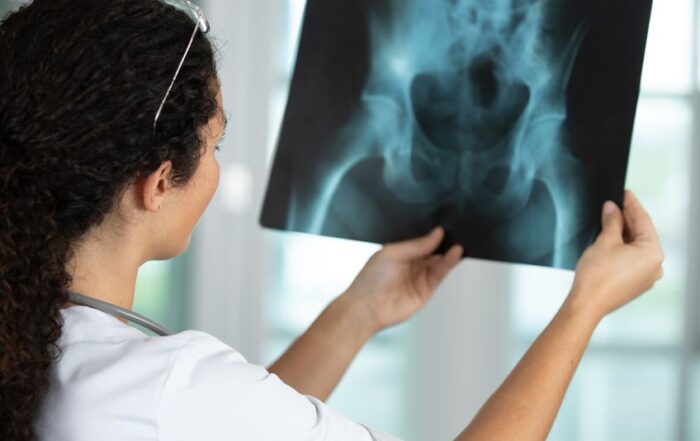
Hip Arthroscopy: Can It Treat Labral Tears And Impingement?
Hip labral tears and impingement may need surgery. Hip arthroscopy is an effective, long-term treatment option.

Meniscus Tear Surgery: When Should Patients Consider Repair?
Meniscus tear surgery is a major decision. Learn the factors that help patients to consider surgical repair.