
Is It A Shoulder Labral Tear?
Shoulder pain of any form should not be overlooked. The issue can be a shoulder labral tear. The shoulder consists of muscles, tendons, and cartilage. When someone has a labral tear, the labrum, a ring of cartilage that lines the shoulder joint, is torn or damaged. Some individuals can experience a superior labrum, anterior to posterior (SLAP) tear, a specific type of labral tear. Labral tears are treatable without surgery, but there are times when surgical intervention is necessary. Knowing when to consider surgery requires an understanding of symptoms and treatment options. Working closely with an orthopedic specialist ensures that shoulder relief comes sooner rather than later.

Understanding symptoms
A labral tear is an injury that impacts a small subset of the population. Statistics show, however, that athletes and active individuals are more likely to experience this injury. Symptoms of a shoulder labral tear include a deep, dull ache or pain, especially when performing overhead movements or throwing. Shoulder pain can be more severe at night or during sleep if the individual rests on the affected area. Over time, shoulder weakness, instability, and limited range of motion (ROM), along with a popping sensation, can develop. Some shoulder injuries can present similar symptoms, so a full medical assessment, including imaging tests, is necessary to diagnose and treat a labral tear.
When to consider surgery
Most labral tears confirmed through imaging often respond well to conservative care. Physical therapy (PT), rest, and wearing a shoulder brace can reduce symptoms. Pain medication, including corticosteroid injections, can provide additional support for minor tears. While most cases will respond well, there are situations where surgery is best. When these non-surgical options fail after 3-6 months of consistent treatment, doctors will recommend surgery. Labral repair is also useful for younger patients or athletes who want to return to sports faster, especially throwing sports. SLAP tears or larger, more complex tears that will not heal conservatively also require surgery. These are confirmed through imaging and can sometimes progress to the point where the shoulder feels unstable or dislocates. An orthopedic surgeon will review these possible issues and discuss all surgical options.
Labral tear repair
Shoulder labral repair involves addressing a torn or frayed labrum that creates chronic symptoms. Advancements in surgery mean the procedure occurs arthroscopically. The surgeon uses an arthroscope through a small incision to view the joint on an external monitor. Additional small incisions allow surgical tools to enter and address the labral tear. The surgeon may perform specific repair techniques to reattach torn tissue or remove frayed labrum cartilage. After performing the surgery, the surgeon removes the surgical tools, closes the incisions, and provides the appropriate bandages. As the procedure is minimally invasive, the patient leaves the same day to begin recovery at home.
Restore shoulder function
Take shoulder labral tears seriously, as long-term strength and function can deteriorate. Arthroscopic repair means smaller incisions, less blood loss, smaller scars, and faster recovery. At the same time, the recovery process can be lengthy, taking up to 4 months to return to normal activities. Athletes need additional PT and recovery, taking 6-9 additional months, to return to sports. While arthroscopy reduces this timeline, consistent rehabilitation is essential to success. Restoring shoulder function from a labral tear involves identifying symptoms and acting accordingly. When there is no improvement after months of treatment, surgery can be the best long-term solution.
Recent Posts
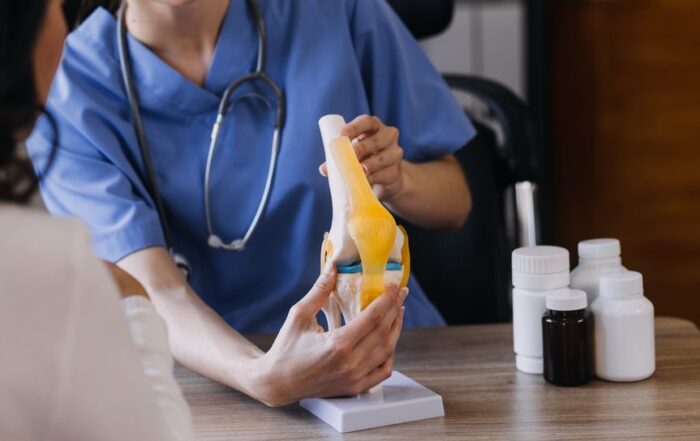
Partial vs Total Knee Replacement: Which Is Right?
Partial and total knee replacement can provide substantial relief. Learn which is best for long-term results.
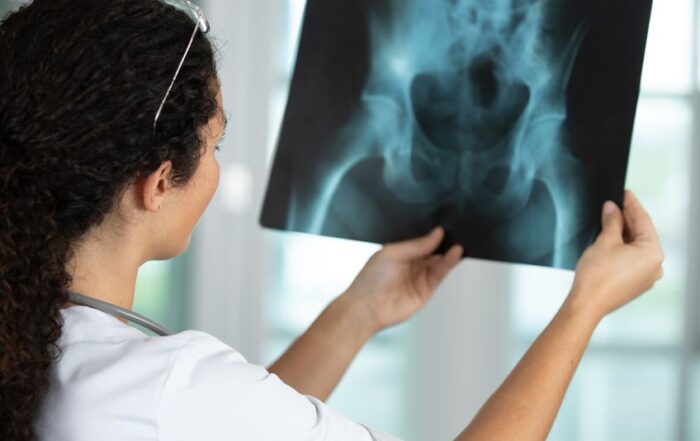
Hip Arthroscopy: Can It Treat Labral Tears And Impingement?
Hip labral tears and impingement may need surgery. Hip arthroscopy is an effective, long-term treatment option.

Meniscus Tear Surgery: When Should Patients Consider Repair?
Meniscus tear surgery is a major decision. Learn the factors that help patients to consider surgical repair.

Rotator Cuff Repair: Restoring Mobility & Relieving Shoulder Pain
Rotator cuff repair can relieve shoulder pain and restore strength. Learn how surgery works, recovery timelines, and when repair may be needed.