
Thinking About Knee Arthroscopy?
Knee conditions, whether from injury or wear and tear, are among the most difficult issues to manage. Knees are essential for daily movement and vital for athletic performance, so poor function significantly impacts quality of life. Sometimes, a doctor, orthopedic specialist, or knee surgeon may recommend knee arthroscopy. What makes knee arthroscopy so powerful is that the procedure has multiple applications. Understanding how knee arthroscopy can help specific situations may be the key to unlocking better knee function.
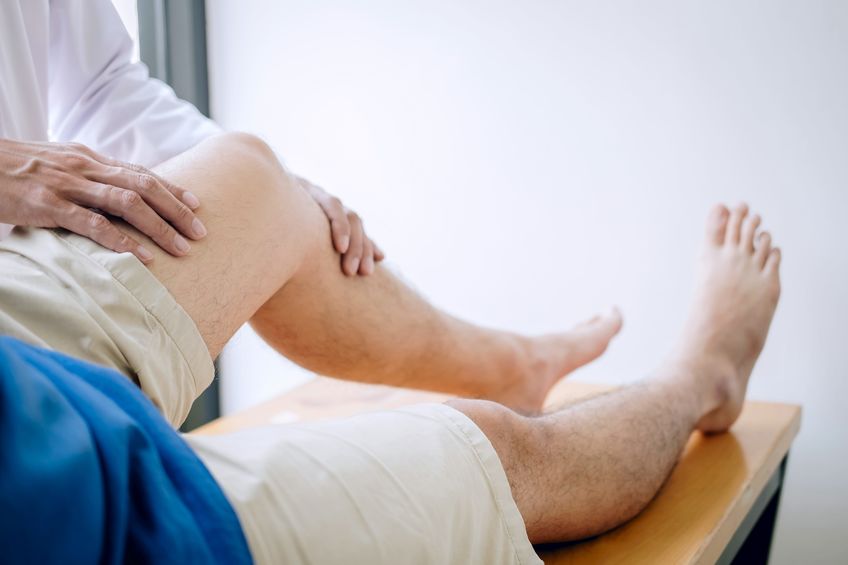
Understanding minimally invasive surgery
Knee arthroscopy falls under the scope of minimally invasive surgery (MIS), which uses small incisions, an arthroscope, and specialized instruments. The surgeon inserts the scope through a single incision about the size of a buttonhole, which projects images of the joint on an external monitor. Another incision allows the surgeon to insert tools to perform the required procedure. The small incisions mean patients experience minimal blood loss, small scars, and a lower risk of infection. In most cases, patients with knee arthroscopy can leave the hospital the same day. With knee arthroscopy, patients tend to recover faster and can start physical therapy (PT) sooner. Statistics show that surgeons perform over 1.7 million knee arthroscopy procedures yearly.
When is knee arthroscopy best?
Doctors often recommend knee arthroscopy for patients with severe knee conditions that do not respond to conservative treatment. Many knee conditions respond well to non-surgical approaches like rest, corticosteroids, and PT. If pain does not stop or worsens, doctors can recommend knee arthroscopy. The procedure is best for younger or active patients who want to return to activity as soon as possible. Knee arthroscopy is best for mechanical issues observed via imaging. When something is torn, loose, or blocking knee motion, the procedure can help. These issues also make knee arthroscopy a vital diagnostic tool, as standard imaging may not be sufficient to identify the root cause of knee pain. Surgeons can both look inside the knee and treat the condition in a single procedure.
Addressing your cartilage
The knee consists of bone, cartilage, and multiple ligaments that support weight-bearing, stability, range of motion (ROM), and overall function. Conditions that lead to cartilage damage can benefit from knee arthroscopy. Surgery helps with meniscus tears and other articular cartilage injuries that cause painful locking, clicking, or catching. Sometimes, loose cartilage or bone fragments remain floating in the joint, causing chronic pain and discomfort during movement. Knee arthroscopy removes loose or damaged cartilage. Small tools can trim, shave, or stitch together cartilage, addressing the underlying issue. Cartilage injuries are common in sports or happen with the natural wear and tear of the joint.
Finally fixing inflammation
Some individuals struggle with chronic knee pain and discomfort, but may not have cartilage damage. Overuse or chronic conditions can lead to inflammation that does not respond to non-surgical treatment. The underlying cause may be synovitis or inflammation of the joint lining. Inflammation of small fluid sacs at the front of the knee, called bursae, can cause swelling and discomfort. A Baker’s cyst, often forming behind the knee, is another reason for knee arthroscopy. Surgery can diagnose and treat inflammation before structural damage occurs.
Treating ligament damage
Knee arthroscopy is perhaps most effective for ligament tears when reconstruction is necessary. The knee has multiple ligaments that support and prevent bending or moving in unsafe directions. The most common form of ligament damage, especially in sports, is the anterior cruciate ligament (ACL) tear. Medial collateral ligament (MCL) tears are also common. Traditional open surgery was once the gold standard for ACL reconstruction. Surgeons can use knee arthroscopy to remove the damaged ligament and install a new tendon. This procedure reduces damage, accelerates healing, and yields excellent outcomes, especially for athletes.
Make the best choice
Knee arthroscopy is a versatile procedure that has many immediate and long-term benefits. The surgery is ideal for diagnosing and treating multiple issues involving cartilage and ligament damage. Knee arthroscopy is an excellent diagnostic tool, helping surgeons create a long-term treatment plan for patients. The surgery is also an essential part of treating arthritis, including being used in the total knee replacement (TKR) process. Patients with moderate to severe knee issues can work with an orthopedic surgeon for an effective diagnosis and possible knee arthroscopy.
Recent Posts

Meniscus Tear Surgery: When Should Patients Consider Repair?
Meniscus tear surgery is a major decision. Learn the factors that help patients to consider surgical repair.

Rotator Cuff Repair: Restoring Mobility & Relieving Shoulder Pain
Rotator cuff repair can relieve shoulder pain and restore strength. Learn how surgery works, recovery timelines, and when repair may be needed.

Managing Post-Surgical Pain: The Benefits Of Personalized Care Plans
After surgery, pain management is one of the most important things you need to finalize to help support your recovery.
Knee Arthroscopy: What Conditions Can This Procedure Treat?
Knee arthroscopy is a procedure with multiple applications. Learn how this surgery helps different knee conditions.