Innovative Options For Arthritis Pain
With age comes wear and tear on joints. As cartilage between the joints thins, people may experience arthritis, pain, and swelling. Especially when arthritis begins to affect the spine, people can get pinched nerves that cause significant pain. When treatments like medication and physical therapy are no longer decreasing pain, patients may consider a procedure called radiofrequency ablation.

How does the treatment work?
The procedure works by heating an area of nerve tissue with an electric current. The goal is for this nerve to stop sending pain signals to the brain. For many patients, the result is a significant reduction in chronic pain caused by arthritis.
What to expect during ablation
Radiofrequency ablation starts with the doctor administering an anesthetic to help numb the affected area. Then, the doctor will pinpoint the area of pain with a small needle. In some cases, an x-ray may help find the exact location. Through the needle, a microelectrode sends a low radiofrequency current to the affected area.
What happens after the procedure?
Radiofrequency ablation is performed as an outpatient treatment, which means that patients can typically return home the same day. For some patients, this treatment can provide pain relief that lasts for years. For others, the pain may go away for 6 months to a year. The results from the procedure can vary depending on the reason for the pain and the location of the pain.
Preparing for ablation
Before the treatment, doctors recommend that patients stop taking any medicines that can affect blood clotting for at least 2 weeks. Patients will also need to stop eating at least 6 hours before the procedure and consume only clear liquids in the 2 hours before the radiofrequency ablation.
More pain management options
Not all pain management treatments work the same for everyone. Some patients may benefit from pain medications, either over-the-counter or prescription. Others may experience significant relief from getting steroid injections every few months. Many doctors will recommend that patients with chronic pain go through physical therapy to help reduce pain and learn how to move better.
Am I a good candidate?
Radiofrequency ablation is commonly effective for arthritis of the spine, low back pain, neck pain, lingering pain from old injuries, and whiplash. Most people tolerate the treatment well. However, those with active infections or problems with bleeding are not good candidates for radiofrequency ablation. For more information about arthritis treatment and pain management options, speak with a healthcare provider.
Recent Posts

Shoulder Labral Tear Symptoms: When To Consider Surgery
A shoulder labral tear causes significant pain. Look for these symptoms and the criteria for pain-relieving surgery.
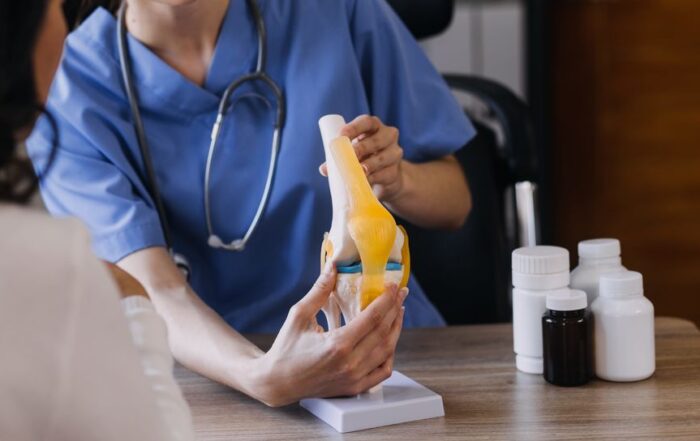
Partial vs Total Knee Replacement: Which Is Right?
Partial and total knee replacement can provide substantial relief. Learn which is best for long-term results.
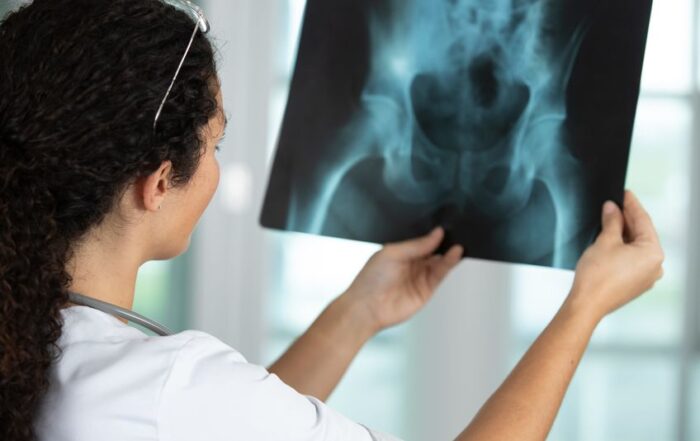
Hip Arthroscopy: Can It Treat Labral Tears And Impingement?
Hip labral tears and impingement may need surgery. Hip arthroscopy is an effective, long-term treatment option.

Meniscus Tear Surgery: When Should Patients Consider Repair?
Meniscus tear surgery is a major decision. Learn the factors that help patients to consider surgical repair.
Recent Posts
Shoulder Labral Tear Symptoms: When To Consider Surgery
A shoulder labral tear causes significant pain. Look for these symptoms and the criteria for pain-relieving surgery.
Partial vs Total Knee Replacement: Which Is Right?
Partial and total knee replacement can provide substantial relief. Learn which is best for long-term results.
Hip Arthroscopy: Can It Treat Labral Tears And Impingement?
Hip labral tears and impingement may need surgery. Hip arthroscopy is an effective, long-term treatment option.
Meniscus Tear Surgery: When Should Patients Consider Repair?
Meniscus tear surgery is a major decision. Learn the factors that help patients to consider surgical repair.