
Are You Part Of The 80%?
Low back pain is so common that 80% of Americans have reported experiencing the pain at some point. For patients with arthritis, this pain can be chronic. Fortunately, some simple dos and don’ts can help people better manage arthritis and low back pain.

1. Do opt for low-impact exercise
Exercises like yoga and Tai Chi can be extremely beneficial for low back pain. These activities help many people to effectively manage arthritis pain. Other activities like walking, water aerobics, or using the elliptical machine can be good for those seeking low-impact options.
2. Don’t sit on the couch all day
Some patients commonly assume that resting will help to reduce pain. However, rest should be done in moderation. Even if the joints feel a little stiff, many patients see significant symptom improvement from regular exercise. Additionally, many people with arthritis benefit from weight loss, as lower body weight puts less pressure on the joints.
3. Do adjust your workstation
Uncomfortable chairs and straining to read a computer screen all day can cause distressing low back pain. Sitting all day doesn’t do any favors to patients who are managing arthritis. Choose an ergonomic chair and adjust the workstation so that screens are at eye-level.
4. Don’t give in to stress
Trying to work, care for a family, and keep up with social activities can be overwhelming for people with chronic pain. Giving in to stress only makes symptoms worse. Research has found that people with arthritis can improve symptoms through stress management techniques such as breathing exercises or meditation.
5. Do pay attention to your feet
Wearing improper footwear can be a big culprit of unnecessary low back pain. This is a common problem especially for women who regularly wear high-heeled shoes. High heels put a strain on the back and the knees, making joint pain even worse.
6. Don’t write off medical treatment
Many patients with arthritis experience significant improvement after working with a healthcare provider on a treatment plan. Some components of a well-rounded treatment plan can include appropriate medication, physical therapy, or even steroid injections to reduce inflammation and joint pain. Patients should communicate with medical providers about symptoms and preferences to find a treatment plan that will work.
Find treatment today
Arthritis can be debilitating. The condition is the most common reason for disability in the United States. However, treatments are available. Many people can experience a much higher quality of life with some intentional changes. Speak with a healthcare provider to learn more about managing arthritis and low back pain.
Recent Posts

Shoulder Labral Tear Symptoms: When To Consider Surgery
A shoulder labral tear causes significant pain. Look for these symptoms and the criteria for pain-relieving surgery.
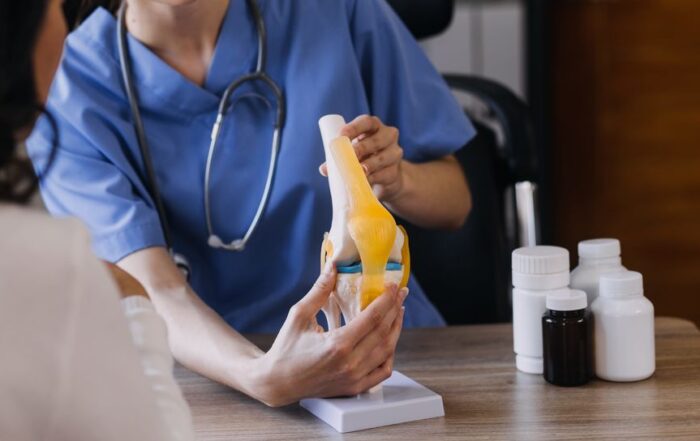
Partial vs Total Knee Replacement: Which Is Right?
Partial and total knee replacement can provide substantial relief. Learn which is best for long-term results.

Hip Arthroscopy: Can It Treat Labral Tears And Impingement?
Hip labral tears and impingement may need surgery. Hip arthroscopy is an effective, long-term treatment option.

Meniscus Tear Surgery: When Should Patients Consider Repair?
Meniscus tear surgery is a major decision. Learn the factors that help patients to consider surgical repair.
Recent Posts
Shoulder Labral Tear Symptoms: When To Consider Surgery
A shoulder labral tear causes significant pain. Look for these symptoms and the criteria for pain-relieving surgery.
Partial vs Total Knee Replacement: Which Is Right?
Partial and total knee replacement can provide substantial relief. Learn which is best for long-term results.
Hip Arthroscopy: Can It Treat Labral Tears And Impingement?
Hip labral tears and impingement may need surgery. Hip arthroscopy is an effective, long-term treatment option.
Meniscus Tear Surgery: When Should Patients Consider Repair?
Meniscus tear surgery is a major decision. Learn the factors that help patients to consider surgical repair.