
Changing Surgical Course
Open surgery has saved the lives of patients, but, in some cases, can potentially set up future dangers. The dangers come in the form of medicine needed for recovery and pain management. A growing trend sees an overprescription of opioids. One solution may start in the operating room. Can a minimally invasive approach reduce prescriptions, saving even more lives?

Understanding opioids
Opioids are a term for a group of pain-relieving prescription drugs. Common opioids are oxycodone, codeine, and hydrocodone. Opioids work on a cellular level, reducing the perception of pain in the brain and body. Surgeons often prescribe opioids to manage severe pain patients experience after surgery. But is overprescription a big concern?
A revolving drug problem
Opioids contribute to 68% of drug-related deaths in America. Up to 40% of opioid-related deaths are prescriptions. Because of the effectiveness of opioids, overdependence becomes easy. Overdependence leads to refilling prescriptions long after the pain goes away. The revolving door leads to addiction, even overdosing and death.
A minimalist approach to healthcare
Open surgery helps surgeons to see the area needing attention clearly. Large incisions mean increased pain and healing time. With minimally invasive surgery (MIS), small incisions of less than an inch allow an endoscope to help perform surgeries. Surgeons can now operate using small tools from a second or third incision while viewing the surgical area remotely. The objective is to improve accuracy and speed while reducing infections and recovery.
The advantages of MIS
For MIS patients, recovery time decreases significantly. For example, the initial recovery period is 6-8 weeks for open carpal tunnel surgery. Whereas endoscopic release surgery has seen initial recovery times in 3-4 weeks. Shorter recovery times mean a smaller prescription. Smaller incisions mean less pain, faster recovery, and better management of drugs. And less pain means fewer pills needed altogether.
The proof is in the surgery
The data backs up the use of MIS to reduce opioid prescriptions and overdependence. A study monitored 150 patients for 4 different minimally invasive surgeries, and over 70% of the study group used 0% to only 50% of the prescribed opioids over the first 3-5 days. Some surgeons went a step further, reducing the prescriptions on 4 MIS to 45% over a 10-month period. The reduction saved over 10,000 pills with few requests for refills. But can minimally invasive surgery also help with addiction? A recent study compared addiction from open lung surgery versus a minimally invasive procedure. The rate of opioid addiction in open surgeries versus MIS was almost 2 to 1.
Less pain means fewer opioids
Opting for a less invasive surgery instead of open surgery helps in more ways than one. Measuring the degree of pain after surgery is difficult. Now, surgeons feel confident in providing fewer opioid prescriptions with minimally invasive surgery. The fight against potential addiction begins in the operating room.
Recent Posts

Shoulder Labral Tear Symptoms: When To Consider Surgery
A shoulder labral tear causes significant pain. Look for these symptoms and the criteria for pain-relieving surgery.
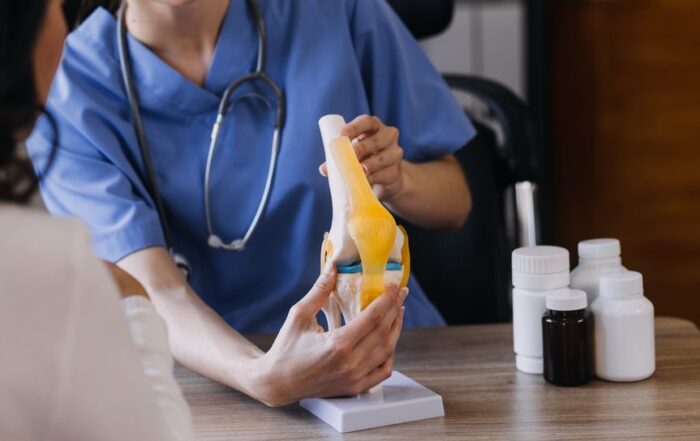
Partial vs Total Knee Replacement: Which Is Right?
Partial and total knee replacement can provide substantial relief. Learn which is best for long-term results.
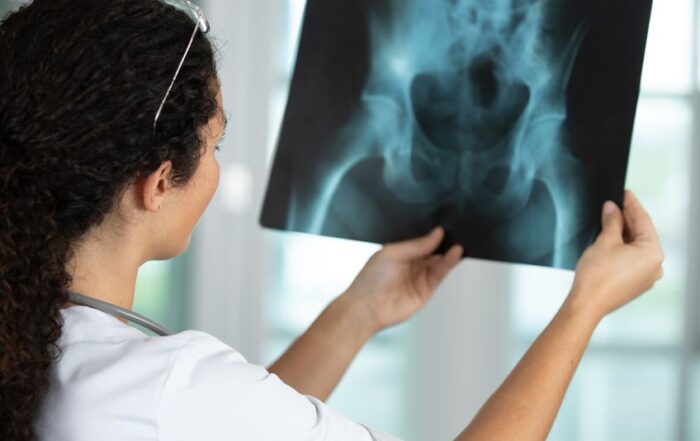
Hip Arthroscopy: Can It Treat Labral Tears And Impingement?
Hip labral tears and impingement may need surgery. Hip arthroscopy is an effective, long-term treatment option.

Meniscus Tear Surgery: When Should Patients Consider Repair?
Meniscus tear surgery is a major decision. Learn the factors that help patients to consider surgical repair.
Recent Posts
Partial vs Total Knee Replacement: Which Is Right?
Partial and total knee replacement can provide substantial relief. Learn which is best for long-term results.
Hip Arthroscopy: Can It Treat Labral Tears And Impingement?
Hip labral tears and impingement may need surgery. Hip arthroscopy is an effective, long-term treatment option.
Meniscus Tear Surgery: When Should Patients Consider Repair?
Meniscus tear surgery is a major decision. Learn the factors that help patients to consider surgical repair.

Rotator Cuff Repair: Restoring Mobility & Relieving Shoulder Pain
Rotator cuff repair can relieve shoulder pain and restore strength. Learn how surgery works, recovery timelines, and when repair may be needed.