
Changing The Norm In Opioid Prescriptions
For many years, doctors have prescribed opioids for post-surgical pain. But as opioid addiction is growing in the United States, many healthcare professionals are looking for ways to decrease opioid use. When considering how to have an opioid-free surgery, minimally invasive techniques may be the answer.

A possible solution to the opioid epidemic
When prescribed by a doctor, opioids can be an effective way to manage pain after surgery. However, opioids are addictive and can be problematic for some people. In fact, in 2017, the US Department of Health and Human Services declared opioid addiction a public health emergency.
Experts estimate that up to 60% of opioid abuse is acquired through a prescription. Because of the addictive nature of opioids, healthcare professionals are increasingly researching surgical options that don’t involve opioids. Minimally invasive surgery is a safe, effective surgical technique that can bypass the need for an opioid prescription. In many cases, people who undergo minimally invasive surgery are able to recover without taking any opioids at all.
A 51% chance versus a 15% chance
More and more, minimally invasive surgery is becoming an option for people with a variety of conditions. Minimally invasive surgery is associated with less pain, shorter recovery time, and a shorter stay in the hospital. In one study, people who underwent minimally invasive spine surgery had over a 51% chance of not using opioids for pain. In comparison, people who underwent open surgery only had a 15% chance of avoiding opioid use.
The innovative surgery that involves robotic arms
Minimally invasive surgery can involve robot-assisted surgery or endoscopic surgery. In robot-assisted procedures, the surgeon uses a robotic arm that mimics the surgeon’s hand movements. This allows for optimal precision and control. In endoscopic surgeries, the physician makes a couple of small incisions and then uses a small, thin, lighted tube to view inside the body. The surgeon can look at this view on a computer screen and use tiny surgical instruments to perform the operation.
Should you ask the doctor about minimally invasive surgery?
Though minimally invasive surgery may not be an option for everyone, patients should talk to the doctor to find out if minimally invasive surgery can be used. Patients should also ask about alternative pain management strategies that don’t involve opioids. Some studies have found that patient education and alternative pain management options can make a huge difference.
Bypass the need for opioids completely
Minimally invasive surgery is becoming more and more popular for many routine procedures and elective surgeries. Minimally invasive surgery can mean a shorter recovery period and less pain. In many cases, minimally invasive surgery can completely bypass any need for an opioid prescription.
Recent Posts

Shoulder Labral Tear Symptoms: When To Consider Surgery
A shoulder labral tear causes significant pain. Look for these symptoms and the criteria for pain-relieving surgery.
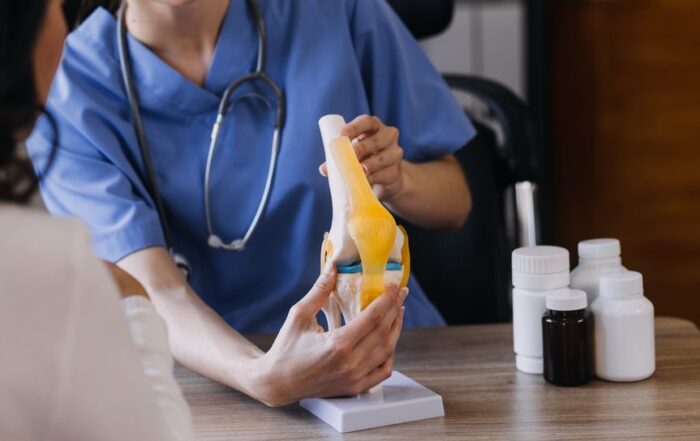
Partial vs Total Knee Replacement: Which Is Right?
Partial and total knee replacement can provide substantial relief. Learn which is best for long-term results.
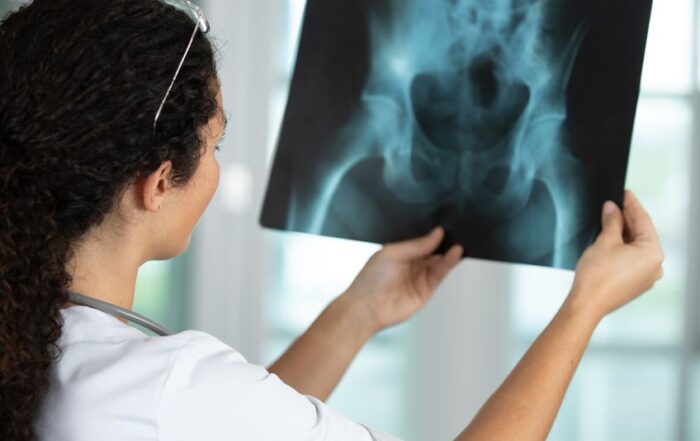
Hip Arthroscopy: Can It Treat Labral Tears And Impingement?
Hip labral tears and impingement may need surgery. Hip arthroscopy is an effective, long-term treatment option.

Meniscus Tear Surgery: When Should Patients Consider Repair?
Meniscus tear surgery is a major decision. Learn the factors that help patients to consider surgical repair.
Recent Posts
Partial vs Total Knee Replacement: Which Is Right?
Partial and total knee replacement can provide substantial relief. Learn which is best for long-term results.
Hip Arthroscopy: Can It Treat Labral Tears And Impingement?
Hip labral tears and impingement may need surgery. Hip arthroscopy is an effective, long-term treatment option.
Meniscus Tear Surgery: When Should Patients Consider Repair?
Meniscus tear surgery is a major decision. Learn the factors that help patients to consider surgical repair.

Rotator Cuff Repair: Restoring Mobility & Relieving Shoulder Pain
Rotator cuff repair can relieve shoulder pain and restore strength. Learn how surgery works, recovery timelines, and when repair may be needed.