
Staying On Solid Ground
Ankle injuries may be common but can be incredibly uncomfortable. And more importantly, the most frequent types of ankle injuries are often preventable. Bad habits and poor footwear choices can contribute to a person’s risk of experiencing an ankle injury. More importantly, ankle injuries can sideline people and require anywhere from a few days to several months to recover. Considering that the injuries are usually preventable, the following tips can help keep people on solid ground and avoid being sidelined by an ankle injury.

1. Avoid uneven surfaces
One of the most common causes for ankle injuries such as sprains arises from walking, running, or exercising on uneven surfaces. Likewise, slippery surfaces can also serve as a catalyst for injuries. Specifically, walking on uneven surfaces can force the foot and ankle into uncomfortable positions and encourage an injury to occur. The best way to prevent an injury is to avoid walking or running on uneven surfaces.
2. Think about footwear
Ill-fitting shoes are another primary contributor to ankle injuries. But ill-fitting can be a big category. Specifically, experts agree that shoes that don’t fit properly, such as being too big, can encourage a person to trip and fall. Likewise, high heels that are too tall with too sharp of an arch may create difficulty when trying to maintain balance. As a result, stumbling in heels is another common cause behind many ankle injuries in women. And shoes, where the heel is half worn down on one side, can also make balancing more difficult.
3. Improve ankle strength
People may be surprised to realize that exercises exist solely for strengthening the ankles. Many of the exercises are low-impact and can be completed in just five minutes. Focusing on strengthening lower body strength can not only boost lower body strength but also improve balance and stability. Simple exercises such as standing calf raise, drawing the alphabet with the toes, and frequently flexing and stretching feet can provide measurable results.
But sometimes injuries are unavoidable
Even for people who are careful about their surroundings and avoid slippery surfaces, in some cases, an ankle injury may be inevitable. In more severe cases, an ankle ligament may be loosened or stretched out of place. The scenario often occurs when someone suffers from repeated ankle sprains and ultimately experiences chronic ankle instability. To correct the problem, a surgery known as lateral ankle ligament reconstruction may be conducted to help tighten the ligament. The surgery is performed as an outpatient service, and patients can go home on the same day.
Keeping feet on the ground
No one wants to have an injury that requires physical therapy and prevents enjoying everyday activities. Prioritizing proper footwear, avoiding uneven surfaces, and even incorporating low-impact exercises that strengthen the ankles are all smart ways to avoid a debilitating ankle injury. But also maintaining a healthy weight, and avoiding exercising or playing sports when a person is tired can also prevent an accident from occurring. For more information about treatment for ankle injuries, speak with a healthcare provider.
Recent Posts

Shoulder Labral Tear Symptoms: When To Consider Surgery
A shoulder labral tear causes significant pain. Look for these symptoms and the criteria for pain-relieving surgery.
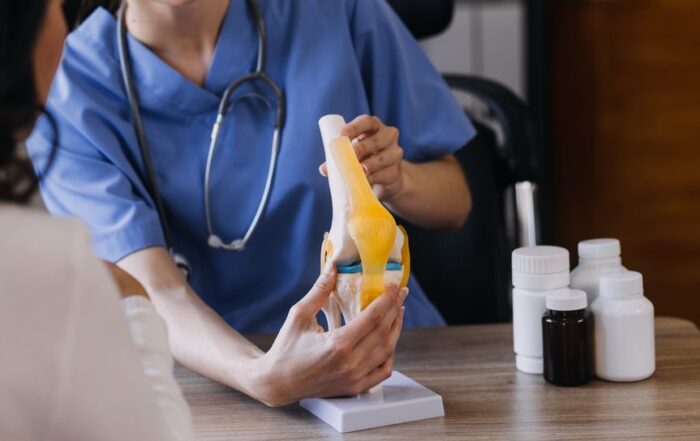
Partial vs Total Knee Replacement: Which Is Right?
Partial and total knee replacement can provide substantial relief. Learn which is best for long-term results.
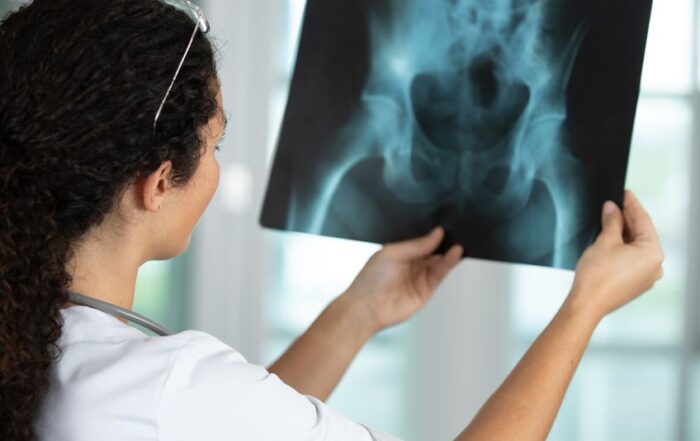
Hip Arthroscopy: Can It Treat Labral Tears And Impingement?
Hip labral tears and impingement may need surgery. Hip arthroscopy is an effective, long-term treatment option.

Meniscus Tear Surgery: When Should Patients Consider Repair?
Meniscus tear surgery is a major decision. Learn the factors that help patients to consider surgical repair.
Recent Posts
Shoulder Labral Tear Symptoms: When To Consider Surgery
A shoulder labral tear causes significant pain. Look for these symptoms and the criteria for pain-relieving surgery.
Partial vs Total Knee Replacement: Which Is Right?
Partial and total knee replacement can provide substantial relief. Learn which is best for long-term results.
Hip Arthroscopy: Can It Treat Labral Tears And Impingement?
Hip labral tears and impingement may need surgery. Hip arthroscopy is an effective, long-term treatment option.
Meniscus Tear Surgery: When Should Patients Consider Repair?
Meniscus tear surgery is a major decision. Learn the factors that help patients to consider surgical repair.