
Technology Brings New Treatments
Arthritis is a condition that can be extremely debilitating. People who have arthritis may experience pain, decreased range of motion, and difficulty moving. Thanks to all the innovations in technology over the last few decades, there is a wide range of pain management options for arthritis. One of the most effective of these treatment options is radiofrequency ablation.

Arthritis symptoms
There are a few different types of arthritis, and all are characterized by wear and tear or degeneration of the cartilage between the joints. The condition causes inflammation and swelling of the joints, leading to pain, stiffness, and limited range of motion. Arthritis can occur at any of the joints, though some of the most common areas to experience this inflammation are at the knees, hips, wrists, or hands.
Pain management options
Treatment for arthritic symptoms can vary. Some changes in lifestyle, taking over-the-counter pain relievers, and using hot and cold therapy may help relieve mild symptoms. However, the more the disease progresses, the more people experience severe symptoms. The good news is that there are effective pain management options available.
Can burning the nerves help?
Many people have benefitted from a treatment called radiofrequency ablation. While this procedure doesn’t eliminate arthritis, radiofrequency ablation can help decrease painful symptoms long-term. During this treatment, a pain management specialist inserts a needle next to the nerves in the affected joint. Through the needle, the nerves are heated up by an electrical current. This damages the nerves and interrupts the pain signals to the brain at the affected joint.
Who is a good candidate?
Patients who have this procedure have reported experiencing symptom relief for up to a year afterward. Radiofrequency ablation is not recommended for everyone. The procedure has been shown to be most effective for patients who have osteoarthritis at the knee or in the facet joints of the spine. Research has shown that radiofrequency ablation can provide symptom relief for longer periods of time than other pain management options, such as steroid injections.
Recovery time
Though radiofrequency ablation is highly effective for the right patient, the procedure will still require a small amount of downtime. Patients are advised not to drive or engage in strenuous activities for at least 24 hours after the procedure. Some people will also experience some discomfort, numbness, and swelling immediately following the ablation.
Speak with a pain management specialist
Arthritis is a chronic condition that can significantly interfere with a person’s quality of life. However, there are highly effective pain management options. Speak with a pain management specialist to find out if radiofrequency ablation is the right treatment option.
Recent Posts

ACL Reconstruction: How Long Is The Recovery Timeline?
ACL reconstruction requires extensive recovery. Learn how long this timeline is for effective planning and guidance.

Shoulder Labral Tear Symptoms: When To Consider Surgery
A shoulder labral tear causes significant pain. Look for these symptoms and the criteria for pain-relieving surgery.
Partial vs Total Knee Replacement: Which Is Right?
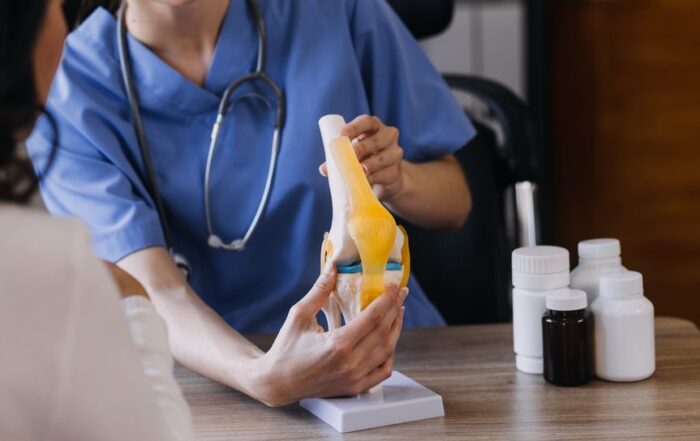
Partial and total knee replacement can provide substantial relief. Learn which is best for long-term results.
Hip Arthroscopy: Can It Treat Labral Tears And Impingement?
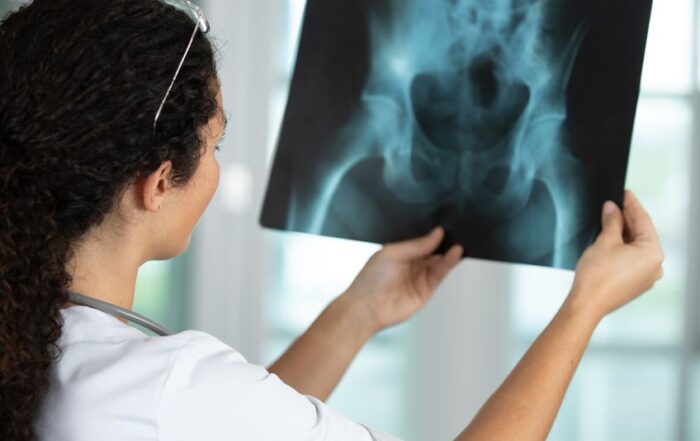
Hip labral tears and impingement may need surgery. Hip arthroscopy is an effective, long-term treatment option.
Recent Posts
Shoulder Labral Tear Symptoms: When To Consider Surgery
A shoulder labral tear causes significant pain. Look for these symptoms and the criteria for pain-relieving surgery.
Partial vs Total Knee Replacement: Which Is Right?
Partial and total knee replacement can provide substantial relief. Learn which is best for long-term results.
Hip Arthroscopy: Can It Treat Labral Tears And Impingement?
Hip labral tears and impingement may need surgery. Hip arthroscopy is an effective, long-term treatment option.

Meniscus Tear Surgery: When Should Patients Consider Repair?
Meniscus tear surgery is a major decision. Learn the factors that help patients to consider surgical repair.