
Pain Relief Without The Need For Opioids
With the opioid epidemic ravaging the country, many people are understandably concerned about being prescribed medications to manage pain and discomforts from back pain to recovering from injuries. As a result, there’s an increased interest in drug-free solutions for pain management. Consider one of the following five methods to keep pain at bay.

1. Get a massage
Massages are for more than just self-care. Working with an experienced massage therapist can help manage muscle pain. A 2015 study researched the benefits of weekly hour-long massages in patients with chronic back pain and found that nearly 40% of respondents noted reduced or eliminated back pain after 10 weeks. In contrast, only 4% of respondents in the control group who received anti-inflammatory medications noted improved or eliminated pain.
2. Consider acupuncture
While research is somewhat conflicted around the benefits of acupuncture, some evidence suggests that the therapy is beneficial for specific types of conditions. Specifically, research supports acupuncture for people suffering from low back and knee pain as well as migraines and even fibromyalgia. However, acupuncture is a therapy that usually requires several sessions before results are evident.
3. Get moving
Most people assume that pain and discomfort should be treated with rest. And while avoiding overexertion is important, engaging in physical therapy can improve range of motion, mobility, and even retrain patients to improve gait.
4. Go for zen
Spending all day focusing on pain and discomfort will only make the condition worse. Meditation can help to recenter the mind and improve mental outlooks. A 2018 study into meditation suggested that the practice can change the structure of the brain and, in the long term, change the cortical thickness in some areas of the brain. As a result, the change can make people less pain-sensitive.
5. Bioelectric therapy treatment
Bioelectric therapy is a fancy phrase that translates to relying on electric currents to block pain signals in the body. The therapy is most often used to treat chronic and acute pain because the procedure encourages the body to produce endorphins, which can help to minimize and eliminate pain. However, although the treatment is effective, experts recommend combining bioelectric therapy with a total pain management system as results from sessions are temporary.
Reducing reliance on opioids
Even for people who don’t have a family history of drug addiction, concerns about becoming reliant on opioids are valid. Depending on the condition and the severity of the pain or discomfort, relief may be possible without the need for prescription medications. People interested in exploring pain management alternatives should speak with a physician or physical therapist for more information.
Recent Posts

Shoulder Labral Tear Symptoms: When To Consider Surgery
A shoulder labral tear causes significant pain. Look for these symptoms and the criteria for pain-relieving surgery.
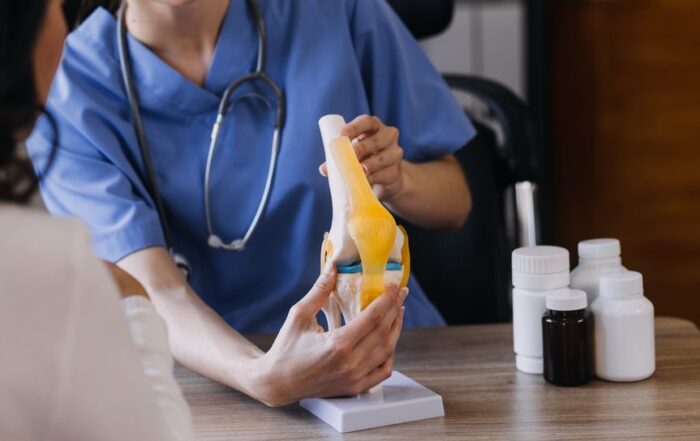
Partial vs Total Knee Replacement: Which Is Right?
Partial and total knee replacement can provide substantial relief. Learn which is best for long-term results.
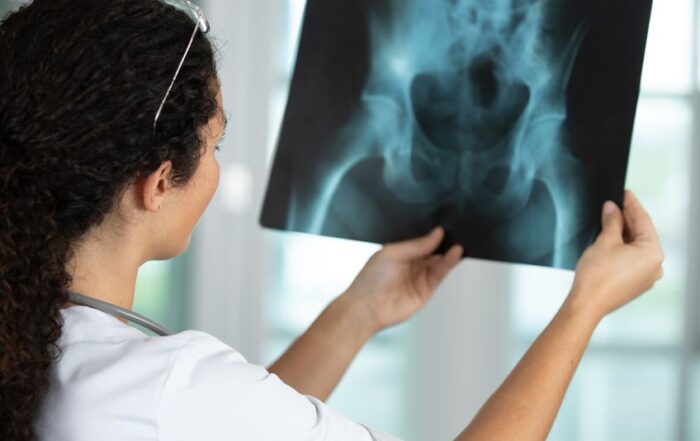
Hip Arthroscopy: Can It Treat Labral Tears And Impingement?
Hip labral tears and impingement may need surgery. Hip arthroscopy is an effective, long-term treatment option.

Meniscus Tear Surgery: When Should Patients Consider Repair?
Meniscus tear surgery is a major decision. Learn the factors that help patients to consider surgical repair.
Recent Posts
Shoulder Labral Tear Symptoms: When To Consider Surgery
A shoulder labral tear causes significant pain. Look for these symptoms and the criteria for pain-relieving surgery.
Partial vs Total Knee Replacement: Which Is Right?
Partial and total knee replacement can provide substantial relief. Learn which is best for long-term results.
Hip Arthroscopy: Can It Treat Labral Tears And Impingement?
Hip labral tears and impingement may need surgery. Hip arthroscopy is an effective, long-term treatment option.
Meniscus Tear Surgery: When Should Patients Consider Repair?
Meniscus tear surgery is a major decision. Learn the factors that help patients to consider surgical repair.