
Finding Hip Pain Relief
Hip pain becomes more and more common as people get older. Arthritis, bursitis, broken bones, and pinched nerves are just a few of the most common reasons people experience hip pain. Fortunately, there are ways to find relief. Many people have significant symptom improvement by following a few pain management tips. In some scenarios, sacroiliac (SI) fusion surgery can help.

1. Hot and cold therapy
Applying cold to the affected area can help to relieve inflammation. Using heat on the area can help relax muscles and improve blood flow. Many people like to apply cold for 15 minutes, then hot for 15 minutes. This helps reduce inflammation while relaxing the affected joint and stimulating blood flow.
2. Improve mobility with exercise
Most people don’t think about exercising the hips specifically. However, strengthening the joint and the surrounding muscles is one of the most critical steps to improving mobility and decreasing joint pain. Some simple stretches can help relieve joint pain. For cardiovascular benefits, try low-impact exercises like swimming or walking. Working with a physical therapist can help patients improve hip strength and range of motion while reducing pain.
3. Over-the-counter treatments
In mild to moderate cases, some over-the-counter pain relievers may be useful in relieving hip pain. Non-steroidal anti-inflammatories (NSAIDs) can help reduce inflammation and swelling. If these medications are not working, a pain management specialist can help patients find more options. For example, steroid injections or prescription medications can be effective in relieving joint pain.
When is surgery the right option?
In most cases, at-home treatments, physical therapy, or recommendations from a pain management specialist will relieve joint pain. However, if symptoms don’t improve, a doctor may recommend surgery.
The SI joint is located at the hip, where the sacrum meets the hip bone. The purpose of SI fusion surgery is to fuse the hip bone and the sacrum, thus reducing pain caused by the SI joint. Surgeons can perform SI fusions as minimally invasive surgeries. This means that there are fewer incisions, less blood loss, and a shorter recovery period.
Ask a surgeon about treatment options
Joint pain is extremely common. As people get older, the cartilage between joints can experience wear and tear, leading to stiffness and discomfort. A pain management specialist can help to find treatment options for reducing hip pain. In some cases, surgery may be the best option for improving pain. Speak with a surgeon to learn more about SI fusion surgery and how to manage joint pain.
Recent Posts

ACL Reconstruction: How Long Is The Recovery Timeline?
ACL reconstruction requires extensive recovery. Learn how long this timeline is for effective planning and guidance.

Shoulder Labral Tear Symptoms: When To Consider Surgery
A shoulder labral tear causes significant pain. Look for these symptoms and the criteria for pain-relieving surgery.
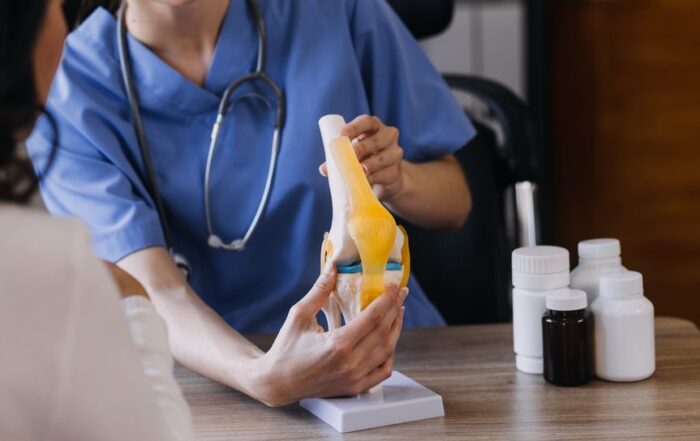
Partial vs Total Knee Replacement: Which Is Right?
Partial and total knee replacement can provide substantial relief. Learn which is best for long-term results.
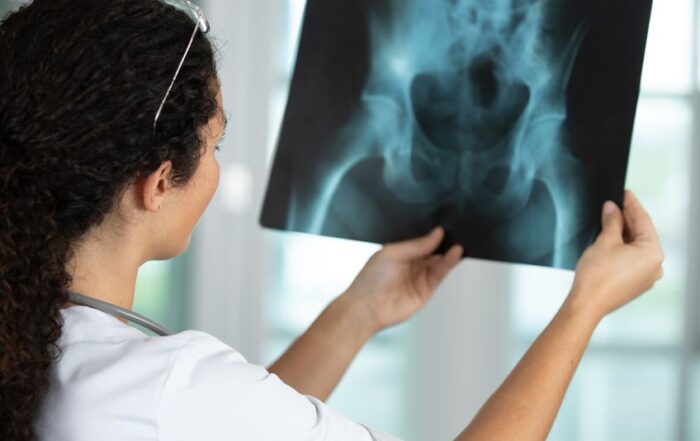
Hip Arthroscopy: Can It Treat Labral Tears And Impingement?
Hip labral tears and impingement may need surgery. Hip arthroscopy is an effective, long-term treatment option.
Recent Posts
Shoulder Labral Tear Symptoms: When To Consider Surgery
A shoulder labral tear causes significant pain. Look for these symptoms and the criteria for pain-relieving surgery.
Partial vs Total Knee Replacement: Which Is Right?
Partial and total knee replacement can provide substantial relief. Learn which is best for long-term results.
Hip Arthroscopy: Can It Treat Labral Tears And Impingement?
Hip labral tears and impingement may need surgery. Hip arthroscopy is an effective, long-term treatment option.

Meniscus Tear Surgery: When Should Patients Consider Repair?
Meniscus tear surgery is a major decision. Learn the factors that help patients to consider surgical repair.