
Back Pain Affects The SI Joint Too
The American healthcare system treats millions of patients yearly for back pain. Most of these cases happen in the lumbar region of the spine. Yet, some persons feel lower back pain from the sacroiliac or SI joint. SI joint pain can be so severe that the only option is an SI fusion.

Understanding the SI joint
While the SI joint is not directly on the spine, the joint is crucial for lower body and spine function. The spine is made up of several bones called vertebrae. These bones start from the neck and come down the sacrum. There are 2 sacroiliac joints, connecting the pelvis to the sacrum on each side. These are small synovial joints that have a short range of motion. The role of the SI joint is to help bear the weight of the torso. The joint spreads force out to the pelvis and legs, especially when walking, running, or lifting.
The effects of a damaged SI joint
Like any joint, the SI joint can experience damage or wear and tear. The joint can also become inflamed, called sacroiliitis. The main reasons include injury, pregnancy, or arthritis. Damage to the joints can cause hypermobility or a limited range of motion, both of which can be painful. Persons with SI joint pain will feel pain in the lower back, buttocks, and groin area. Climbing stairs, standing, and sitting for long periods will prove difficult. If left untreated, pain can spread to surrounding muscles, joints, and bones that try to compensate.
Do you need an SI fusion?
Contrary to popular belief, doctors don’t immediately opt for surgery. Medical experts try all non-surgical treatment options available. In most cases, non-surgical treatment helps with sacroiliac joint pain. Treatments usually include medication, steroid injections, chiropractic care, or physical therapy. However, if non-surgical treatment fails, SI fusion may be an option. Other reasons for surgery include excruciating daily pain or dangerous instability of the joint. Both can make patients unable to perform simple tasks and are reasons for surgery.
The goal of SI fusion
Surgery fuses the end of the pelvic bone or ilium to the side of the sacrum. The surgeon may have to operate on both SI joints. This fusion creates a stable structure that will significantly reduce pain. SI fusion is a minimally invasive procedure with a high success rate.
In the operating room
The patient stays in a face-down position under general anesthesia. The surgeon will make small incisions at the side of the buttocks to access the joint. From there, tools are inserted to give the surgeon a high-quality view of the joint. The surgeon will drill through the pelvic bone to access the SI joint. From there, the surgeon then attaches implants to hold the bones together. In some cases, a bone graft is placed after the surgeon clears the degraded cartilage. The incisions are then cleaned and closed. Over time, the bones fuse. The total recovery time is around 6 months. With physical therapy, stretching, and exercise, most patients resume daily activities in 8 weeks.
It’s time to consider surgery
SI joint pain often responds to non-surgical treatment. However, if these treatments fail and the problem is ongoing for several months, consider SI fusion. SI fusion is one of the many surgical options for back pain. However, each procedure is dependent on the affected joint. Surgery has been proven to stabilize the joint and relieve pain. Speak with a doctor about any chronic symptoms relating to the SI joint today.
Recent Posts

Shoulder Labral Tear Symptoms: When To Consider Surgery
A shoulder labral tear causes significant pain. Look for these symptoms and the criteria for pain-relieving surgery.
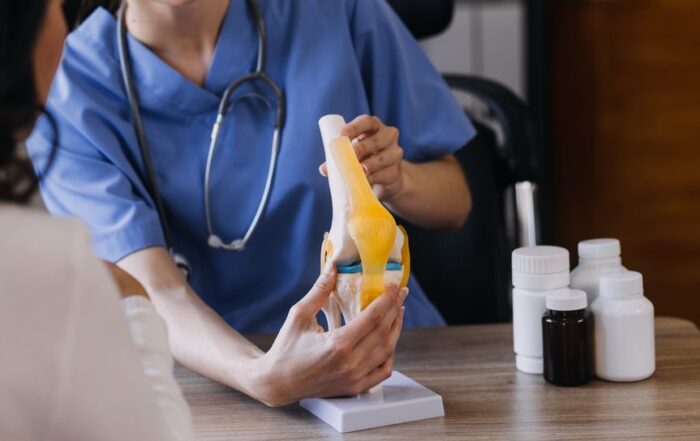
Partial vs Total Knee Replacement: Which Is Right?
Partial and total knee replacement can provide substantial relief. Learn which is best for long-term results.
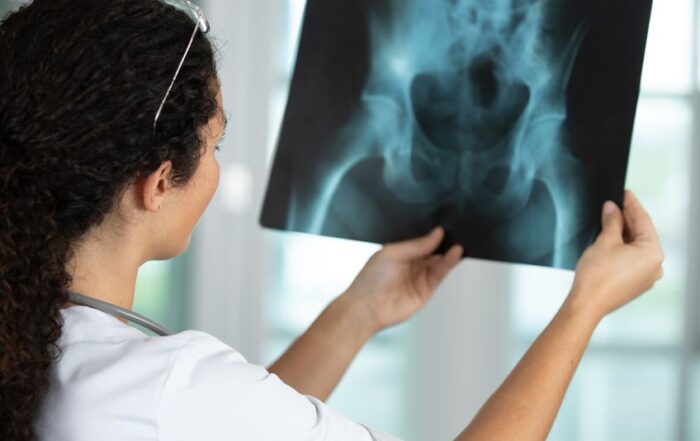
Hip Arthroscopy: Can It Treat Labral Tears And Impingement?
Hip labral tears and impingement may need surgery. Hip arthroscopy is an effective, long-term treatment option.
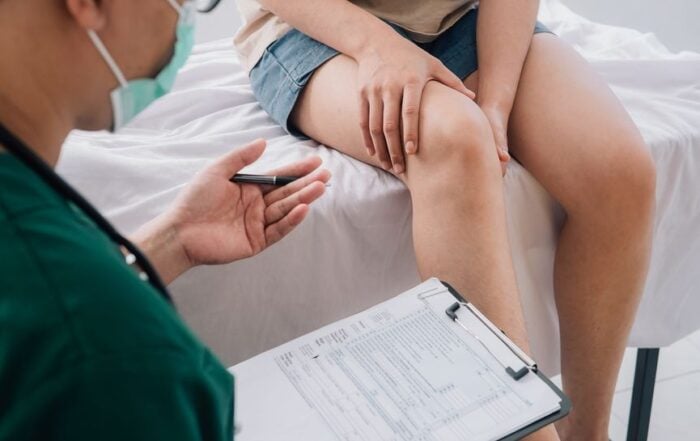
Meniscus Tear Surgery: When Should Patients Consider Repair?
Meniscus tear surgery is a major decision. Learn the factors that help patients to consider surgical repair.
Recent Posts
Shoulder Labral Tear Symptoms: When To Consider Surgery
A shoulder labral tear causes significant pain. Look for these symptoms and the criteria for pain-relieving surgery.
Partial vs Total Knee Replacement: Which Is Right?
Partial and total knee replacement can provide substantial relief. Learn which is best for long-term results.
Hip Arthroscopy: Can It Treat Labral Tears And Impingement?
Hip labral tears and impingement may need surgery. Hip arthroscopy is an effective, long-term treatment option.
Meniscus Tear Surgery: When Should Patients Consider Repair?
Meniscus tear surgery is a major decision. Learn the factors that help patients to consider surgical repair.