
Getting Back to the Slopes After ACL Surgery
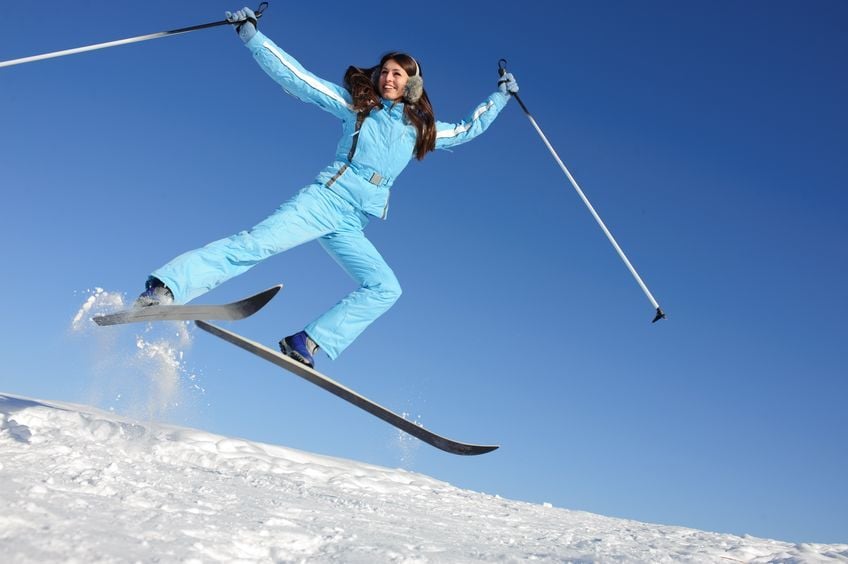
ACL Injury: two words a skier never wants to hear. How long will it take? Can recovery be sped up? Is surgery necessary? Rehabilitation will involve months of physical therapy and RICE (Rest, Ice, Compression, Elevation). Sticking to the recommended rehab plan will have a skier back on the slopes within a year.
Why is the ACL important?
The ACL is one of the four major ligaments that make up the knee. The PCL, MCL and LCL are also part of the knee but the ACL is the most well-known and most commonly injured. The ACL controls rotation and forward movement and prevents hyperextension. Injury is generally caused by sudden changes in direction or landing too hard from a jump. After injury, movement of the affected knee will likely be minimal and involve dull pain along the joint. Symptoms of ACL injury include swelling and an inability to put much pressure on the injured leg. Balance and overall leg strength will suffer but not all ACL injuries require surgery.
Recovery from surgery
For those injuries that do require surgery, the patient will be required to attend physical therapy afterwards. These exercises help the muscles surrounding the injured knee maintain strength. Fortunately, many ACL injuries are able to have minimally invasive surgery on the injured area. During surgery the physician will make two small incisions, remove the damaged ligament, and replace with a graft. The patient will be sent home in a knee brace to protect the knee and prevent further injury. Recovery can take several months and include extensive physical therapy. Patients are often instructed to follow the RICE method to encourage a speedy recovery. Most athletes return to normal practice and competition within 12 months.
Skiing after surgery
Of all the winter sports, ACL injuries are most common among skiers second to hockey and football players. The winding and uneven terrain of the slopes is also prime territory for knee injuries. Proper form and maintaining a strong core, glutes, quads, and hamstrings can help prevent ACL injuries. Most skiing related ACL injuries don’t occur during the descent, but during a fall or collision. The key to a speedy recovery and getting back on the slopes is time. On average a new ligament graft takes about six months to mature. During this time sticking to a regular physical therapy plan is imperative. Patient must improve balance and build back strength in the injured area. On average those that follow a physical therapy plan can return to the slopes in time for next season. Many athletes with repaired ACLs are return to competition within a year. To prevent re-injuring the ACL, skiers are encouraged to wear a knee brace during exercise for many years to come.
Successful surgery
An ACL injury does not mean the end of skiing forever. Not all ACL injuries require surgery, and for those that are able to have a minimally invasive knee surgery healing comes quickly with a structured rehabilitation plan. Though the desire to get back on the slopes quickly may be very strong, time and physical therapy will help speed up the rehabilitation process.
Recent Posts

Shoulder Labral Tear Symptoms: When To Consider Surgery
A shoulder labral tear causes significant pain. Look for these symptoms and the criteria for pain-relieving surgery.
Partial vs Total Knee Replacement: Which Is Right?
Partial and total knee replacement can provide substantial relief. Learn which is best for long-term results.
Hip Arthroscopy: Can It Treat Labral Tears And Impingement?
Hip labral tears and impingement may need surgery. Hip arthroscopy is an effective, long-term treatment option.
Meniscus Tear Surgery: When Should Patients Consider Repair?
Meniscus tear surgery is a major decision. Learn the factors that help patients to consider surgical repair.
Recent Posts
Partial vs Total Knee Replacement: Which Is Right?
Partial and total knee replacement can provide substantial relief. Learn which is best for long-term results.
Hip Arthroscopy: Can It Treat Labral Tears And Impingement?
Hip labral tears and impingement may need surgery. Hip arthroscopy is an effective, long-term treatment option.
Meniscus Tear Surgery: When Should Patients Consider Repair?
Meniscus tear surgery is a major decision. Learn the factors that help patients to consider surgical repair.

Rotator Cuff Repair: Restoring Mobility & Relieving Shoulder Pain
Rotator cuff repair can relieve shoulder pain and restore strength. Learn how surgery works, recovery timelines, and when repair may be needed.