
The Key To Optimizing ACL Surgery Recovery
Anterior cruciate ligament (ACL) injuries occur most often during sports that involve sudden stopping and starting, jumping, or quickly changing direction. ACL injuries are characterized by knee swelling, pain, instability, and sometimes are severe enough to require surgery. However, healing from an ACL injury doesn’t end with surgery. To optimize recovery, patients should also engage in physical therapy. How exactly does physical therapy help?

1. Surgery will leave lingering pain
Physical therapy is the optimal recommendation for reducing and managing pain. Following ACL surgery, physical therapists provide a way for patients to experience less pain by ensuring that the ACL reconstruction heals properly. While medication will only mask symptoms of pain for a short time, physical therapy has lasting results.
2. Get out of your comfort zone
Restoring range of motion is one of the most important parts of recovery from ACL surgery. Keeping the knee in one position might feel more comfortable immediately following surgery. But leaving the knee in a fixed position risks development of scar tissue, making long-term recovery even more difficult. Physical therapy focuses on restoring range of motion, making recovery faster and easier.
3. Stronger hips = lower risk
Studies have shown that weak hips can contribute to the risk of ACL injury. In physical therapy, specific exercises target the strengthening of the hip and core muscles. This ensures that the patient will learn proper form and movement, so they can return to activity safely.
4. Strengthen both knees equally
Following ACL surgery, physical therapy works to strengthen the muscles around the knee joint and improve stability. Physical therapy plans will work progressively to incorporate increasingly more difficult exercises. The level of physical therapy exercises will increase until the strength of the knee that has undergone ACL surgery is equal to the strength of the opposite knee.
5. Resume everyday activity
Physical therapy techniques have expanded over the years. In the past, physical therapy was focused primarily on range of motion. Today, however, a physical therapist will emphasize getting the patient back to their regular activities. After an ACL surgery, this means that physical therapists focus on getting patients safely back to their favorite activities and sports.
6. Don’t play favorites
After any surgery, patients can start to develop an abnormal gait pattern. Favoring one side or the other can relieve some pain short-term, however, it’s not beneficial. An uneven gait pattern can lead to muscular imbalance and, eventually, a repeat injury. Attending physical therapy after an ACL surgery ensures that the patient re-develops a normal gait pattern.
7. Get back in the game
Physical therapy re-teaches patients how to move. It also strengthens areas of weakness and helps to correct any muscular imbalances that can cause ACL injuries. By re-learning correct form and movement, physical therapy patients reduce their risk of re-injury and can get back in the game for good.
If you believe you may benefit from ACL surgery, contact us today for a consultation with one of our orthopedic surgeons.
Recent Posts

Shoulder Labral Tear Symptoms: When To Consider Surgery
A shoulder labral tear causes significant pain. Look for these symptoms and the criteria for pain-relieving surgery.
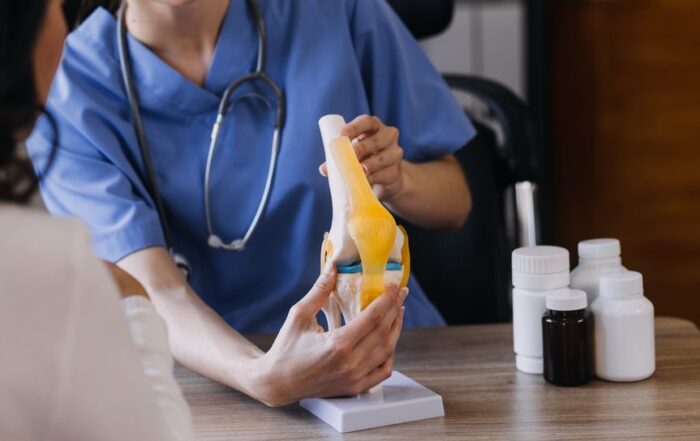
Partial vs Total Knee Replacement: Which Is Right?
Partial and total knee replacement can provide substantial relief. Learn which is best for long-term results.
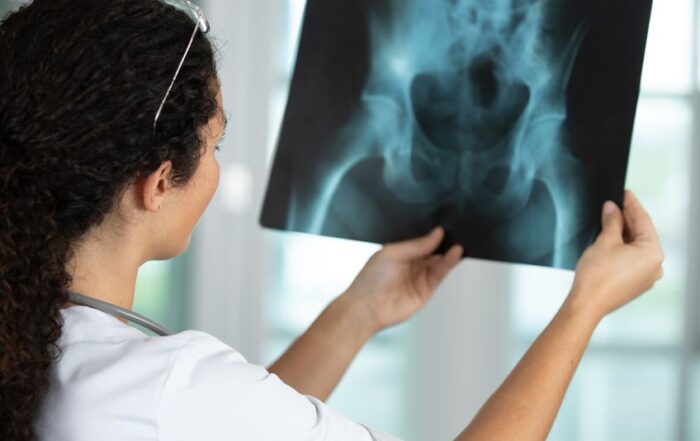
Hip Arthroscopy: Can It Treat Labral Tears And Impingement?
Hip labral tears and impingement may need surgery. Hip arthroscopy is an effective, long-term treatment option.

Meniscus Tear Surgery: When Should Patients Consider Repair?
Meniscus tear surgery is a major decision. Learn the factors that help patients to consider surgical repair.
Recent Posts
Partial vs Total Knee Replacement: Which Is Right?
Partial and total knee replacement can provide substantial relief. Learn which is best for long-term results.
Hip Arthroscopy: Can It Treat Labral Tears And Impingement?
Hip labral tears and impingement may need surgery. Hip arthroscopy is an effective, long-term treatment option.
Meniscus Tear Surgery: When Should Patients Consider Repair?
Meniscus tear surgery is a major decision. Learn the factors that help patients to consider surgical repair.

Rotator Cuff Repair: Restoring Mobility & Relieving Shoulder Pain
Rotator cuff repair can relieve shoulder pain and restore strength. Learn how surgery works, recovery timelines, and when repair may be needed.