
Shoulder Arthroscopy: When Non-Surgical Treatments Fail
A rotator cuff tear occurs in the muscles and tendons that support the shoulder joint. A healthy shoulder joint should be able to rotate freely and without pain. A partial tear involves frayed or damaged muscle in the area. Complete tears rip entirely through the tendon. Severe rotator cuff injuries that don’t heal with conventional treatment methods can heal with surgery.

Is the tear minor or severe?
Rotator cuff damage isn’t always easily noticeable. Patients may have trouble raising an arm while reaching high up or feel pain when pressure is applied to the shoulder. Weakness in the shoulder, as well as clicking or popping noises, can also signal a cuff tear. No matter what the severity, a prompt visit to the doctor can determine the proper course of treatment.
Non-surgical treatments for rotator cuffs
Surgery isn’t always the best option for rotator cuff tears. Early intervention can prevent a rotator cuff tear from getting any worse. Delaying treatment could cause the torn tendon to pull back toward the opposite end. Early treatment of fresh injuries has the highest success rates. Resting and keeping the shoulder stable with a sling can allow the underlying structures to heal. Nonsteroidal anti-inflammatory drugs can help manage swelling and pain. Physical therapy can help patients improve strength and flexibility through low-impact exercises and stretches. For severe pain, corticosteroid injections can reduce swelling and discomfort.
What is shoulder arthroscopy?
While most patients who experience rotator cuff pain can improve the tear with non-surgical interventions, for severe rotator cuffs, a doctor may recommend shoulder arthroscopy. This type of surgery uses a small camera to assess and repair the internal damage. An arthroscope is inserted through tiny cuts in the skin.
When is shoulder arthroscopy recommended?
When non-surgical treatment is not sufficient, a doctor may recommend shoulder arthroscopy. Shoulder surgery can relieve many problems related to rotator cuff tendons, cartilage, labrum, and the surrounding soft tissue. Surgeons can fix frequent shoulder dislocation, inflamed tissue, loose cartilage, or ligament damage.
How successful is the surgery?
Patients worried about the risks of rotator cuff surgery should rest easy. Arthroscopic techniques offer comparable success rates to open surgery methods. In fact, shoulder arthroscopy has about a 93% success rate. As always, adherence to post-operative rehabilitation, including physical therapy, is crucial to a healthier shoulder. For more information about shoulder arthroscopy, speak with an orthopedic specialist.
Recent Posts

Shoulder Labral Tear Symptoms: When To Consider Surgery
A shoulder labral tear causes significant pain. Look for these symptoms and the criteria for pain-relieving surgery.
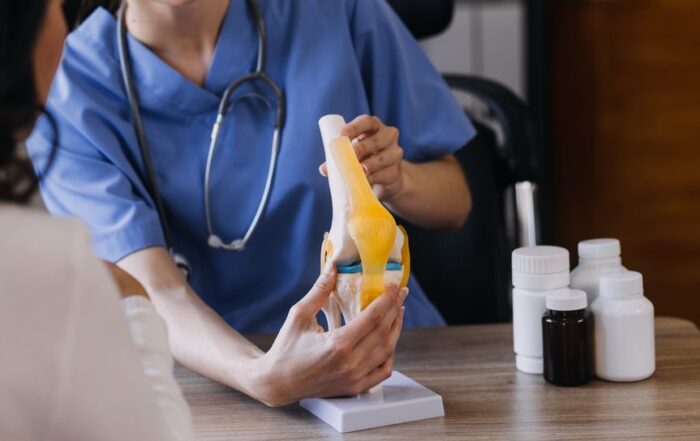
Partial vs Total Knee Replacement: Which Is Right?
Partial and total knee replacement can provide substantial relief. Learn which is best for long-term results.
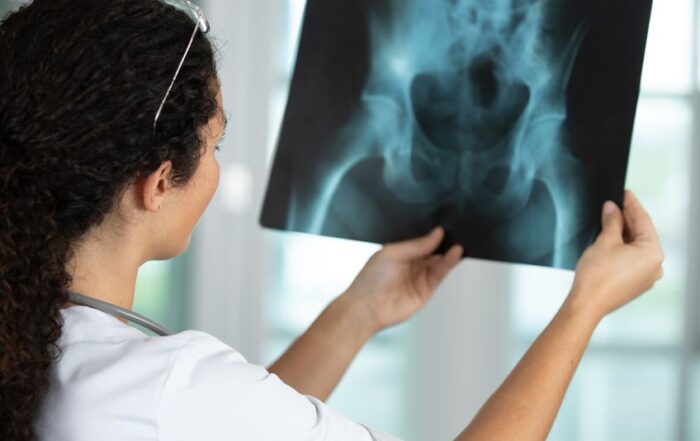
Hip Arthroscopy: Can It Treat Labral Tears And Impingement?
Hip labral tears and impingement may need surgery. Hip arthroscopy is an effective, long-term treatment option.

Meniscus Tear Surgery: When Should Patients Consider Repair?
Meniscus tear surgery is a major decision. Learn the factors that help patients to consider surgical repair.
Recent Posts
Shoulder Labral Tear Symptoms: When To Consider Surgery
A shoulder labral tear causes significant pain. Look for these symptoms and the criteria for pain-relieving surgery.
Partial vs Total Knee Replacement: Which Is Right?
Partial and total knee replacement can provide substantial relief. Learn which is best for long-term results.
Hip Arthroscopy: Can It Treat Labral Tears And Impingement?
Hip labral tears and impingement may need surgery. Hip arthroscopy is an effective, long-term treatment option.
Meniscus Tear Surgery: When Should Patients Consider Repair?
Meniscus tear surgery is a major decision. Learn the factors that help patients to consider surgical repair.