
Understanding Shoulder and Knee Arthroscopy
An arthroscope is a small tube that contains a light source and a lens which can be inserted into a small opening in the skin. This small surgical camera allows a doctor to view shoulder and knee joints in a manner that is minimally invasive. Arthroscopy is useful for diagnosing disease or damage as well as performing reconstructive surgery.

Arthroscopy Surgery
Both shoulder and knee arthroscopy are conducted in similar manners. According to WebMD, it is also one of the most common procedures used on shoulders and knees. The procedure begins with a cleaning of the area, local or regional anesthesia and a small incision made near the joint. The doctor then uses the arthroscope to examine the surrounding ligaments and tendons to determine if a repair is necessary. If it is, one to three more small incisions is made in order to insert other surgical instruments that help remove tissue or bone. After the surgery is complete, fluid is drained from the area and the incisions are closed and bandaged.
Shoulder Arthroscopy
Shoulder arthroscopy is useful for several issues including:
- Bone spurs: excess growths on the bone can cause inflammation around the rotator cuff
- Torn rotator cuff: this occurs when the tissue that connects muscle to bone around the shoulder joint is damaged
- Arthritis: this usually occurs at the end of the clavicle
- Damaged lining: the lining of the joint can become inflamed
- Torn ligaments: this can cause shoulder instability or damage to the bicep tendon
Knee Arthroscopy
Knee arthroscopy is useful for several issues including:
- Kneecap misalignment: the cartilage under kneecap can deteriorate due to athletic activities or arthritis
- Damaged lining: inflammation can result from tears in the knee’s lining
- Torn ligaments: it is possible to damage the anterior cruciate or posterior cruciate ligament
- Broken cartilage: often referred to as “loose bodies,” small pieces of cartilage can be found in the joint
- Arthritis: arthroscopy is most effective in mild cases
- Meniscus tear: considered the shock absorbers between your thighbone and shinbone can be torn, usually as a result of contact sports
Recovering from Arthroscopy
The recovery is generally much milder than open surgery and results in fewer complications. Patients may be asked to ice the wound, reapply clean bandages or take pain medication. In some cases, the doctor may require crutches or a brace and abstain from certain activities for a short period of time.
If you are suffering from a knee or shoulder injury that may benefit from arthroscopic surgery, contact us today for a consultation with one of our orthopedic surgeons.
Recent Posts
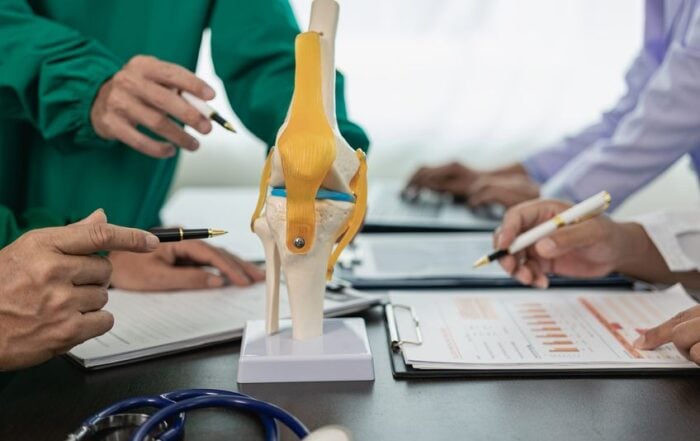
ACL Reconstruction: How Long Is The Recovery Timeline?
ACL reconstruction requires extensive recovery. Learn how long this timeline is for effective planning and guidance.

Shoulder Labral Tear Symptoms: When To Consider Surgery
A shoulder labral tear causes significant pain. Look for these symptoms and the criteria for pain-relieving surgery.
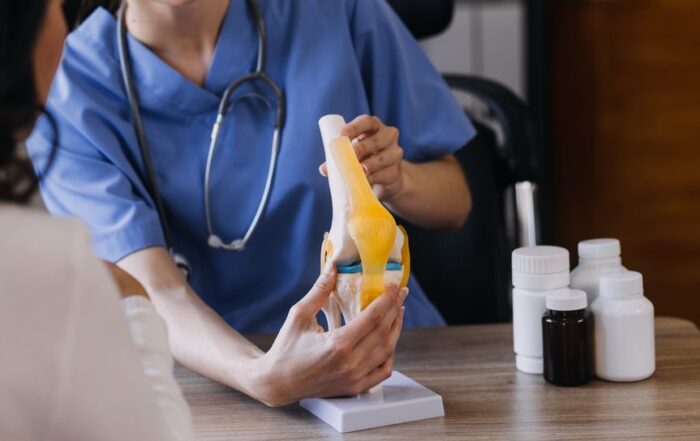
Partial vs Total Knee Replacement: Which Is Right?
Partial and total knee replacement can provide substantial relief. Learn which is best for long-term results.
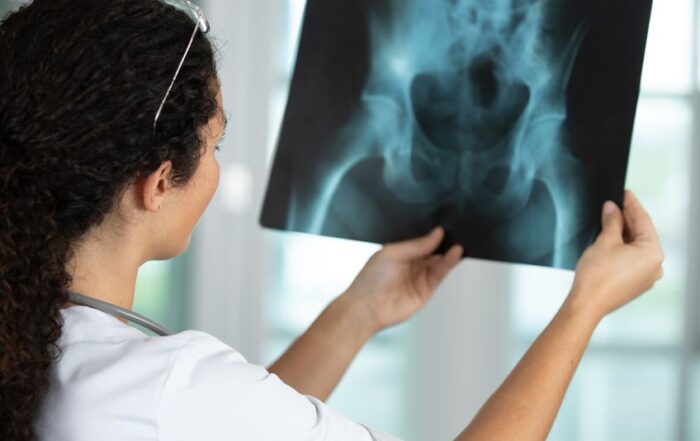
Hip Arthroscopy: Can It Treat Labral Tears And Impingement?
Hip labral tears and impingement may need surgery. Hip arthroscopy is an effective, long-term treatment option.
Recent Posts
Shoulder Labral Tear Symptoms: When To Consider Surgery
A shoulder labral tear causes significant pain. Look for these symptoms and the criteria for pain-relieving surgery.
Partial vs Total Knee Replacement: Which Is Right?
Partial and total knee replacement can provide substantial relief. Learn which is best for long-term results.
Hip Arthroscopy: Can It Treat Labral Tears And Impingement?
Hip labral tears and impingement may need surgery. Hip arthroscopy is an effective, long-term treatment option.

Meniscus Tear Surgery: When Should Patients Consider Repair?
Meniscus tear surgery is a major decision. Learn the factors that help patients to consider surgical repair.