Repairing A Broken Bone
A fracture is when the bone is either partially or completely broken. Open reduction and internal fixation (ORIF) is a surgical process that lessens pain, realigns the bone, and improves mobility. Severe fractures that require ORIF usually occur due to motor vehicle accidents (MVA), trauma, or falls.

Getting to know ORIF
Open reduction and internal fixation surgery is usually reserved for severe, complicated fractures that do not respond to conservative treatment. Open reduction means re-positioning the affected bone after making an incision. Internal fixation means keeping the bones together using hardware such as pins, screws, and rods. After surgery, the doctor may place a cast or splint on the limb.
Open reduction candidates
ORIF is usually considered an urgent surgery. This type of surgery is used in cases of multiple bone fractures, displaced or unstable fractures, when the bone is out of location or protrudes out, and when non-surgical treatments fail. If the patient has an unhealed closed reduction, the doctor may also recommend ORIF. After a thorough physical examination, the doctor will decide whether an open reduction is necessary.
Possible risks
There are potential risks and complications after open reduction surgery. Some risks are infection, bleeding, damage to nearby vessels, tendons, or ligaments, and incomplete bone healing. The hardware used may loosen and move out of place, resulting in decreased ability to move. If necessary, the surgery may need to be repeated. Risks are rare, but people with underlying conditions are more prone to complications.
Recovery and return to normal life
The duration of hospital stay for ORIF is about 3-12 months. Recovery varies for each patient depending on age, location, the severity of the fracture, overall health, and commitment to rehabilitation. After the bones are healed, the doctor will advise on rehabilitation exercises to strengthen the affected area. During recovery, patients should continue exercising, keep the surgical site clean, elevate the limb, and take painkillers as required. Using supporting devices such as a wheelchair or crutches to avoid putting pressure on the affected limb can also help.
Fracture prognosis
Dealing with a fracture is a pain, but for many severe and complicated cases, open reduction and internal fixation can help. Although some patients may experience side effects after the surgery, most recover quickly. After discharge from the hospital, follow-up visits with the doctor are recommended until full recovery is achieved.
Recent Posts
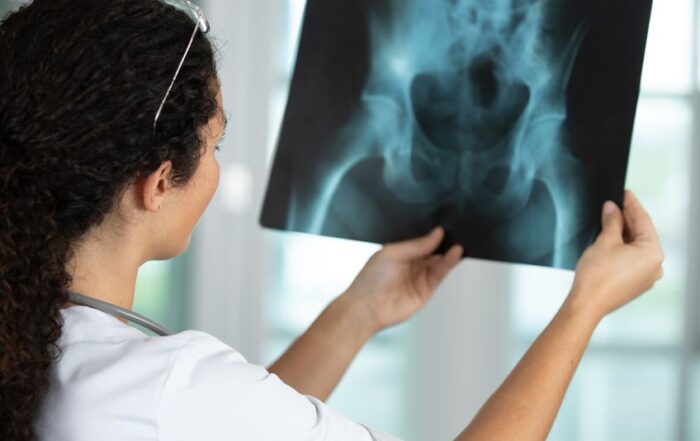
Hip Arthroscopy: Can It Treat Labral Tears And Impingement?
Hip labral tears and impingement may need surgery. Hip arthroscopy is an effective, long-term treatment option.
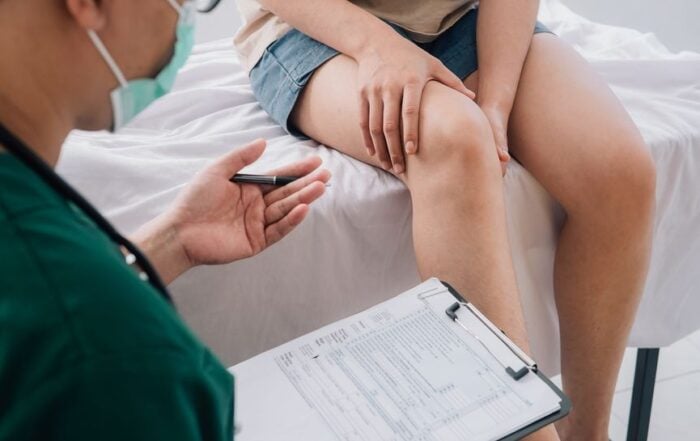
Meniscus Tear Surgery: When Should Patients Consider Repair?
Meniscus tear surgery is a major decision. Learn the factors that help patients to consider surgical repair.
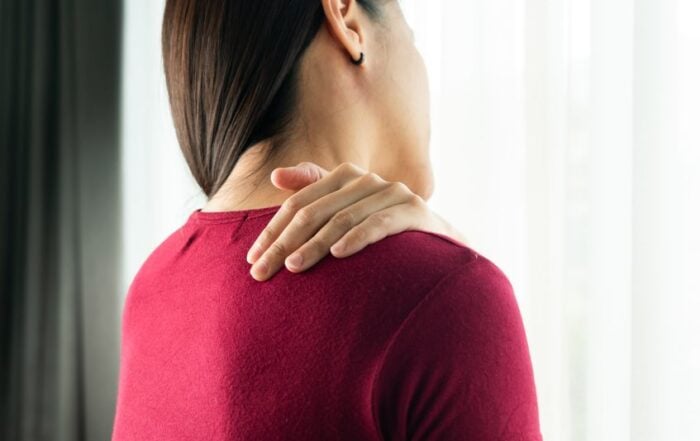
Rotator Cuff Repair: Restoring Mobility & Relieving Shoulder Pain
Rotator cuff repair can relieve shoulder pain and restore strength. Learn how surgery works, recovery timelines, and when repair may be needed.
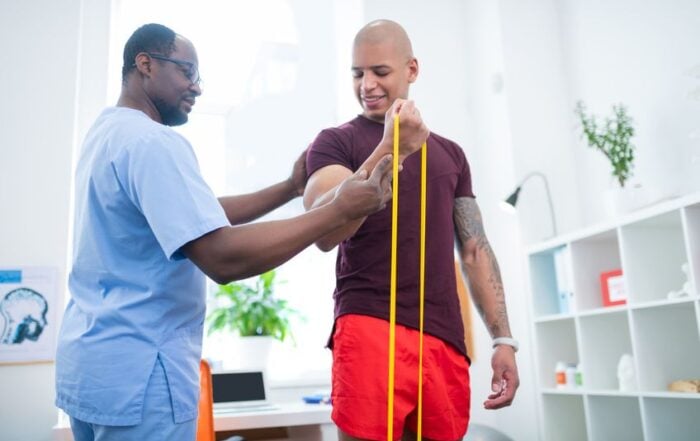
Managing Post-Surgical Pain: The Benefits Of Personalized Care Plans
After surgery, pain management is one of the most important things you need to finalize to help support your recovery.
Recent Posts
Hip Arthroscopy: Can It Treat Labral Tears And Impingement?
Hip labral tears and impingement may need surgery. Hip arthroscopy is an effective, long-term treatment option.
Meniscus Tear Surgery: When Should Patients Consider Repair?
Meniscus tear surgery is a major decision. Learn the factors that help patients to consider surgical repair.
Rotator Cuff Repair: Restoring Mobility & Relieving Shoulder Pain
Rotator cuff repair can relieve shoulder pain and restore strength. Learn how surgery works, recovery timelines, and when repair may be needed.
Managing Post-Surgical Pain: The Benefits Of Personalized Care Plans
After surgery, pain management is one of the most important things you need to finalize to help support your recovery.