
An Unwanted Running Injury
The worst news for a runner is to be sidelined with injury. Running injuries are common due to the repeated striking of the feet, causing wear and tear. Tarsal tunnel syndrome is an often overlooked injury that, if left untreated, could limit movement. For severe cases, tarsal tunnel release surgery is the best way to treat this condition. While surgery can sound daunting, the right recovery routine can quickly have runners back in action.

Understanding your tarsal tunnel syndrome
Most people have heard of carpal tunnel syndrome that happens in the hands. But what is tarsal tunnel syndrome? Each foot contains the tarsal tunnel near the inner ankle. The tibial nerve passes through the tunnel, providing sensation to the bottom of the foot and toes. Inflammation of the tarsal tunnel causes compression of the tibial nerve. Pain, numbness, and tingling in the toes and bottom of the foot are common symptoms. Untreated tarsal tunnel syndrome can lead to weakness, repeat injuries, and reduced movement.
A much-needed release
Runners are at risk of developing tarsal tunnel syndrome due to repeated trauma or previous injuries. People with diabetes or arthritis are also at risk. Over time, the nerve can reduce feeling and even blood supply due to scarring. Conservative treatment options like rest, bracing, and pain medication can help, but chronic cases require surgery. With tarsal tunnel release, a surgeon makes incisions near the inner ankle. An endoscope goes into one cut to view the inflamed tissue. Other surgical tools enter the second incision. The surgeon can then remove some of the tarsal tunnel to give the tibial nerve more breathing room.
It’s time for recovery
Tarsal tunnel release is an outpatient surgery, meaning the patient can leave the same day. After surgery, the patient starts the recovery process almost immediately. Recovery first starts with minimizing pain and caring for the incision. Minimally invasive surgery reduces the recovery time significantly. Doctors even allow light walking after 1 week. After that, however, the patient will need physical therapy to return to normal activities like running.
Ready to run?
Physical therapy helps strengthen the surrounding muscles and ligaments. The patient should perform the prescribed exercises both at home and with a physical therapist. On average, patients can resume full running after 4-6 weeks, depending on fitness levels. Even at the 6-week mark, doctors recommend patients move only short distances while closely monitoring pain. Over several months, running becomes less painful. Full, pain-free recovery takes about 6-12 months.
Don’t ignore your feet
Tarsal tunnel syndrome can cause limited movement if left untreated. For chronic conditions, surgery is the most effective option. Most athletes, runners, and weekend warriors with the condition are eager to move again. The surgery requires patience and physical therapy for a full recovery. In just a few short weeks, runners should be cleared to move short distances. Follow the instructions of both doctor and physical therapist to avoid any delays in recovery.
Recent Posts
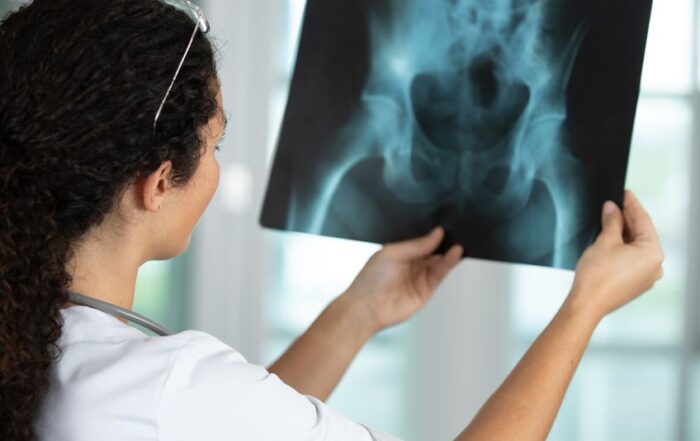
Hip Arthroscopy: Can It Treat Labral Tears And Impingement?
Hip labral tears and impingement may need surgery. Hip arthroscopy is an effective, long-term treatment option.

Meniscus Tear Surgery: When Should Patients Consider Repair?
Meniscus tear surgery is a major decision. Learn the factors that help patients to consider surgical repair.

Rotator Cuff Repair: Restoring Mobility & Relieving Shoulder Pain
Rotator cuff repair can relieve shoulder pain and restore strength. Learn how surgery works, recovery timelines, and when repair may be needed.
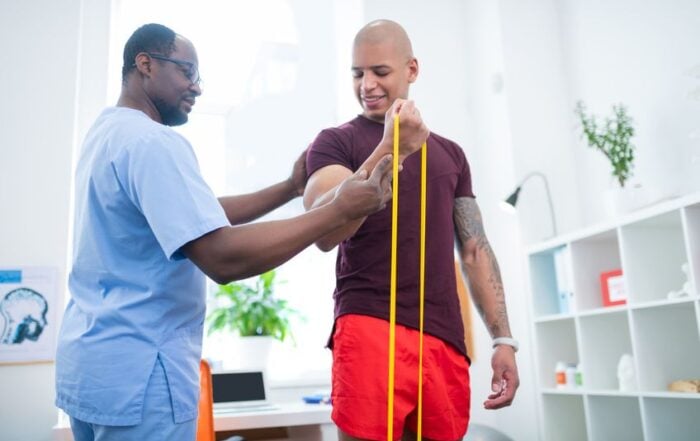
Managing Post-Surgical Pain: The Benefits Of Personalized Care Plans
After surgery, pain management is one of the most important things you need to finalize to help support your recovery.
Recent Posts
Hip Arthroscopy: Can It Treat Labral Tears And Impingement?
Hip labral tears and impingement may need surgery. Hip arthroscopy is an effective, long-term treatment option.
Meniscus Tear Surgery: When Should Patients Consider Repair?
Meniscus tear surgery is a major decision. Learn the factors that help patients to consider surgical repair.
Rotator Cuff Repair: Restoring Mobility & Relieving Shoulder Pain
Rotator cuff repair can relieve shoulder pain and restore strength. Learn how surgery works, recovery timelines, and when repair may be needed.
Managing Post-Surgical Pain: The Benefits Of Personalized Care Plans
After surgery, pain management is one of the most important things you need to finalize to help support your recovery.