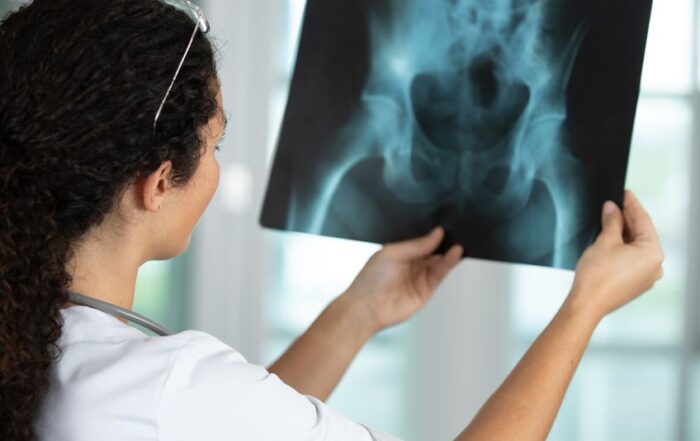
How Do I Fix My Back Pain?
Low back pain affects thousands of people, often causing high levels of pain and an overall disruption in mobility. According to a recent study, 25% of adults in the United States have experienced lower back pain in the past 3 months. Causing more disability than any other ailment reported worldwide, pain commonly lasts weeks or even months. While medication may be helpful, many patients can benefit from other non-surgical interventions. Physical therapy and mindfulness, when combined with medication, can prove to be effective treatment methods for stubborn cases of back pain.

1. Managing your meds
Most back pain is caused by injury or overuse. For the vast majority of cases, back pain goes away within a few weeks. If symptoms last more than 3 months, pain is clinically considered chronic. While medication can be valuable for pain relief, many doctors suggest that alternative options provide longer lasting impacts. Certain medications can be habit forming, while failing to address the underlying cause of pain. In cases of long-term back pain, opioids can provide valuable relief, although these can increase addiction risks. Notably, healthcare practitioners emphasize that opioids are meant for temporary, rather than prolonged, use.
2. Busting a move
To protect the spine and prevent future pain, key experts suggest building back strength via physical therapy. Strengthening muscles around the spine can help support body weight while lowering the risk of additional injuries. Moreover, a comprehensive physical therapy routine can help a patient develop flexibility, thereby protecting against severe flare ups. Physical therapists generally work with patients to retrain posture, strengthen the core, and determine personal mobility limits. By using strengthening movements tailored to the individual, physical therapists effectively nip future injuries in the bud.
3. Mastering the mind
Chronic pain can impact the body, mind, and spirit. Strengthening the connection between the mind and the body can help patients reframe chronic pain. Tai chi, meditation, yoga, and more can help manage the diverse aspects of chronic pain. By funneling energy into a low-stress activity, patients can keep the mind off the pain.
Preventing future spine pain
From arthritis of the spine and spinal stenosis to dislodged discs and pain disorders, lower back pain impacts thousands of Americans every year. In cases of debilitating pain, medication is often the first defense. Although effective for temporary use, other non-surgical treatments can provide better benefits with less risks than certain opioids. Working with a physical therapist helps many patients identify problem areas and build out individual strategies for pain.
Recent Posts
Hip Arthroscopy: Can It Treat Labral Tears And Impingement?
Hip labral tears and impingement may need surgery. Hip arthroscopy is an effective, long-term treatment option.

Meniscus Tear Surgery: When Should Patients Consider Repair?
Meniscus tear surgery is a major decision. Learn the factors that help patients to consider surgical repair.

Rotator Cuff Repair: Restoring Mobility & Relieving Shoulder Pain
Rotator cuff repair can relieve shoulder pain and restore strength. Learn how surgery works, recovery timelines, and when repair may be needed.

Managing Post-Surgical Pain: The Benefits Of Personalized Care Plans
After surgery, pain management is one of the most important things you need to finalize to help support your recovery.
Recent Posts
Hip Arthroscopy: Can It Treat Labral Tears And Impingement?
Hip labral tears and impingement may need surgery. Hip arthroscopy is an effective, long-term treatment option.
Meniscus Tear Surgery: When Should Patients Consider Repair?
Meniscus tear surgery is a major decision. Learn the factors that help patients to consider surgical repair.
Rotator Cuff Repair: Restoring Mobility & Relieving Shoulder Pain
Rotator cuff repair can relieve shoulder pain and restore strength. Learn how surgery works, recovery timelines, and when repair may be needed.
Managing Post-Surgical Pain: The Benefits Of Personalized Care Plans
After surgery, pain management is one of the most important things you need to finalize to help support your recovery.