Taking Your Shooting Back Pain Seriously
Back pain is so common today that many consider the condition a badge of honor. Yes, working or sitting for long hours can cause sore backs and necks, but the pain should not be chronic. Chronic shooting back pain can be a sign of a spinal condition like a herniated disc. Herniated discs are one of the reasons for the spike in spinal surgeries like microdiscectomy. Is surgery always a solution for a herniated disc?

Here’s what’s happening with your disc
The spine has 33 bones called vertebrae. These bones protect the spinal cord and the nerves that branch out from each direction. Between each pair of vertebrae are fibrous discs. These discs contain a soft inner nucleus and help with flexibility and shock absorption. Due to wear and tear, injury, or years of poor posture, the discs can shift out of place. In some cases, the soft nucleus can rupture. Herniated discs press on surrounding nerves causing pain and discomfort.
Do you have these symptoms?
Some cases can progress to a range of symptoms that impact the quality of life. For instance., herniated discs in the lower back region can press on the sciatic nerve. The result is sciatica, a shooting nerve pain down one leg. In time, or if left untreated, muscle weakness, reduced bladder control, or even sexual dysfunction can occur. These are all reasons to seek help from a doctor or orthopedic surgeon immediately.
Surgery is not the first step
Can a shooting pain from a herniated disc mean immediate surgery? Well, not exactly. There is a range of non-surgical treatment options available. In fact, surgeons prefer to try non-surgical treatments for many months first before resorting to surgery. Anti-inflammatory medication, temperature therapy, and physical therapy are the first lines of treatment. If that fails, other treatment includes stronger medication, steroid injections, or radiofrequency ablation. In most cases, a combination of these treatments can make a herniated disc asymptomatic.
Is microdiscectomy the answer?
Unfortunately, some back pain sufferers will need more than the mentioned non-surgical options. The surgeon will suggest a microdiscectomy for chronic pain that does not seem to let up after months of therapy. Microdiscectomy is a minimally invasive procedure to remove part of the disc that’s causing pain. Minimally invasive means small incisions so the patient can leave the same day, especially in an ASC. Opting for minimally invasive surgery also means faster recovery, lower infection rates, and higher success.
What to expect during surgery
After talking about the risks and requirements, the patient should be ready for surgery. The patient lies face down on the operating table. Based on the location of the herniated disc, the surgeon makes small incisions near the neck or lower back. Muscle and tissue are moved slightly to access the spine. Through one incision goes an endoscope. Endoscopes are long, narrow devices with a light and camera attached. The camera sends an image of the damaged disc to an external monitor. From there, the surgeon can insert other tools to remove parts of the disc that’s causing the issue. In some cases, a small piece of bone called the lamina is also removed.
Will it really work for me?
If the surgeon only removed a piece of the disc, the area is closed, and recovery starts. Patients take about 3 to 6 months to fully recover, along with pain management and light physical therapy. In essence, microdiscectomy has excellent surgical outcomes. Statistics show that the surgery has an over 80% success rate. There are risks with any surgical procedure, and some would not be eligible for minimally invasive surgery. Overall, the risks are rare compared to the success rates. This procedure is a viable solution for those who failed to get relief from conservative means.
Secure your back’s future
Spinal pain due to herniated discs can make simple tasks like sitting or standing difficult. If left unaddressed, the pain can weaken the surrounding areas, including limbs. The good news is that most cases respond well to non-surgical treatment. The disc will not necessarily repair naturally, but the treatment eliminates the pain. Unfortunately for some, surgery via microdiscectomy is the best option. Don’t ignore chronic back or neck pain and consult a spine specialist for relief.
Recent Posts
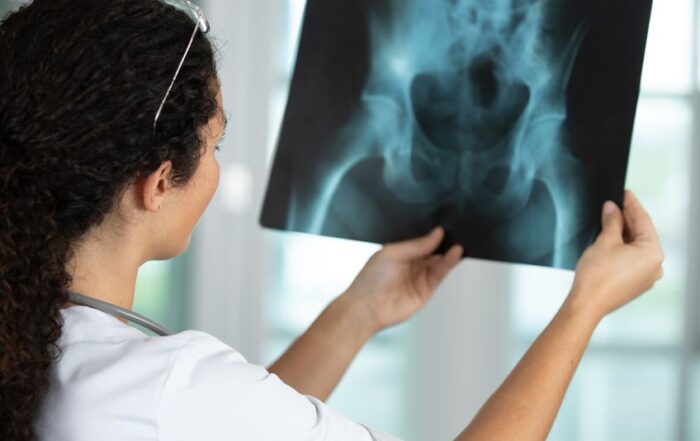
Hip Arthroscopy: Can It Treat Labral Tears And Impingement?
Hip labral tears and impingement may need surgery. Hip arthroscopy is an effective, long-term treatment option.

Meniscus Tear Surgery: When Should Patients Consider Repair?
Meniscus tear surgery is a major decision. Learn the factors that help patients to consider surgical repair.

Rotator Cuff Repair: Restoring Mobility & Relieving Shoulder Pain
Rotator cuff repair can relieve shoulder pain and restore strength. Learn how surgery works, recovery timelines, and when repair may be needed.
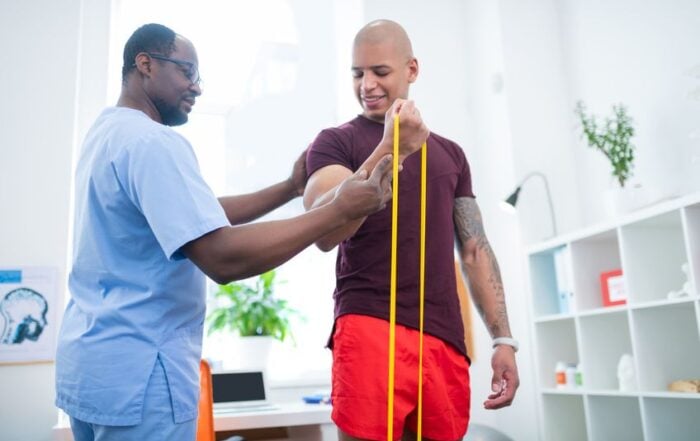
Managing Post-Surgical Pain: The Benefits Of Personalized Care Plans
After surgery, pain management is one of the most important things you need to finalize to help support your recovery.
Recent Posts
Hip Arthroscopy: Can It Treat Labral Tears And Impingement?
Hip labral tears and impingement may need surgery. Hip arthroscopy is an effective, long-term treatment option.
Meniscus Tear Surgery: When Should Patients Consider Repair?
Meniscus tear surgery is a major decision. Learn the factors that help patients to consider surgical repair.
Rotator Cuff Repair: Restoring Mobility & Relieving Shoulder Pain
Rotator cuff repair can relieve shoulder pain and restore strength. Learn how surgery works, recovery timelines, and when repair may be needed.
Managing Post-Surgical Pain: The Benefits Of Personalized Care Plans
After surgery, pain management is one of the most important things you need to finalize to help support your recovery.