
Managing Pain With A Peripheral Nerve Stimulation
Peripheral nerve stimulation, commonly known as PNS, is a helpful form of pain management. When there is pain or inflammation in a part of the body, the nerves go into overdrive. Within fractions of a second, sensory nerves send signals back to the brain. The brain processes the information to give off the appropriate pain response. PNS seeks to block the nerves from sending information to the brain. A small electronic device installed in the body sends electrical pulses to disrupt the surrounding nerves. PNS is now commonly used for spinal cord stimulation but can be used for other conditions.

Why use peripheral nerve stimulation?
Most persons use peripheral nerve stimulation for spinal cord conditions. These include herniated discs, sciatica, spinal stenosis, or other spinal conditions. Now, nerve stimulation is a helpful technique for foot pain, migraines, pain after injury, or specific surgeries. The surgeon will install the device externally to gauge the effectiveness. After the trial period, if the patient felt some relief, the device is installed permanently under the skin. These 3 reasons should help persons suffering from pain to consider a PNS.
1. Avoiding major surgery altogether
Surgical procedures of any kind are serious and can be scary. Doctors understand why a patient with chronic pain would like to avoid surgery. What if something worse happens? Yes, installing a permanent nerve stimulator means an incision of some kind. But some patients are more open to PNS instead of surgery that involves the spine or organs. Nerve stimulation can help persons manage pain while working on conservative treatment.
2. Conservative treatments were ineffective
With chronic pain, especially pain related to the spine, effective, non-surgical treatment options are available. Chances are, someone considering nerve stimulation has tried these treatment options before. These include nerve medication, NSAIDs, steroid injections, and nerve blocks. Even physical therapy may fail to bring relief. The patient can try PNS externally first before opting for a permanent installation.
3. The surgery failed to stop the pain
For chronic pain such as back pain, surgery can be an effective, long-term solution. But surgery is not without risk. One of the dangers is surgery failing to bring relief. For example, some persons who opted for spine surgery could have failed back surgery syndrome. The surgery was unable to relieve nerve pain or stabilize the joint properly. Whatever the reason, the patient will be anxious to find another solution. The nerve stimulator will be able to help the patient long-term. The patient can manipulate the device as needed and get relief for years to come.
Get chronic nerve pain under control
A permanent peripheral nerve stimulator can bring relief for someone struggling with chronic pain. Anyone struggling with long-term pain should consider this treatment option. The electronic device lasts for several years and can be adjusted accordingly. Speak with a doctor or spinal surgeon for ways to become pain-free.
Recent Posts
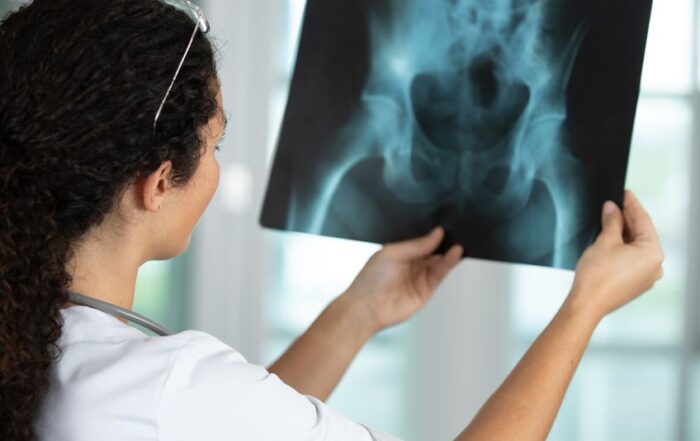
Hip Arthroscopy: Can It Treat Labral Tears And Impingement?
Hip labral tears and impingement may need surgery. Hip arthroscopy is an effective, long-term treatment option.

Meniscus Tear Surgery: When Should Patients Consider Repair?
Meniscus tear surgery is a major decision. Learn the factors that help patients to consider surgical repair.

Rotator Cuff Repair: Restoring Mobility & Relieving Shoulder Pain
Rotator cuff repair can relieve shoulder pain and restore strength. Learn how surgery works, recovery timelines, and when repair may be needed.
Managing Post-Surgical Pain: The Benefits Of Personalized Care Plans
After surgery, pain management is one of the most important things you need to finalize to help support your recovery.
Recent Posts
Hip Arthroscopy: Can It Treat Labral Tears And Impingement?
Hip labral tears and impingement may need surgery. Hip arthroscopy is an effective, long-term treatment option.
Meniscus Tear Surgery: When Should Patients Consider Repair?
Meniscus tear surgery is a major decision. Learn the factors that help patients to consider surgical repair.
Rotator Cuff Repair: Restoring Mobility & Relieving Shoulder Pain
Rotator cuff repair can relieve shoulder pain and restore strength. Learn how surgery works, recovery timelines, and when repair may be needed.
Managing Post-Surgical Pain: The Benefits Of Personalized Care Plans
After surgery, pain management is one of the most important things you need to finalize to help support your recovery.