Minimally Invasive Surgery To Restore Normal Function
Acute and chronic sinus infections can usually be managed with lifestyle changes and medical treatment. Sometimes, however, chronic sinus infections don’t respond to traditional medications. When infection persists, minimally invasive surgery options may be a safe and practical choice for patients.

It all starts with a diagnosis
Before recommending a type of surgery or treatment, a doctor or otolaryngologist will perform a physical exam and discuss the patient’s symptoms. Symptoms usually include congestion, nasal drainage, facial discomfort, limited sense of smell, and nasal obstruction. Doctors will perform an endoscopy to check for inflammation or infection. Doctors may also use a CT scan to diagnose sinusitis or another underlying condition.
Improving chronic sinus infections
For many severe cases of sinus infection that don’t respond to traditional treatment, surgeons may perform a functional endoscopic sinus surgery (FESS). FESS involves using a magnifying endoscope to identify and remove the damaged tissue and bone. Using an endoscope eliminates the need to make an exterior incision and reduces the risk of further infection.
A smart sinus procedure
Balloon sinuplasty is another innovative surgery procedure used to clear the blocked sinuses. During the balloon sinuplasty procedure, a surgeon will introduce a small flashlight into the sinus cavity to get a better view. The doctor will then insert a thin and flexible balloon catheter into the sinus passage. The balloon is inflated to expand the opening and flush out the pus and mucus with a saline solution.
Risks of FESS and balloon sinuplasty
All surgeries carry risk, even minimally invasive procedures. For balloon sinuplasty, a rare complication involves a change in appearance or infection. The risks of FESS include bleeding, infection, and vision impairment. Despite the minor and rare risks, both surgeries can provide long-term relief for chronic sinus infections and sometimes even improve a person’s sense of smell. Minimally invasive surgery is associated with shorter recovery, less pain, and a lower chance of complication.
Recovery and long-term results
Balloon sinuplasty and FESS are both promising treatments for people with chronic sinus infections. Both minimally invasive surgeries are considered safe therapies and can provide long-lasting results. Both procedures also require minimal recovery time meaning patients can continue their routine quickly after the procedure. To learn more about sinus surgery, speak with an ear, nose, and throat (ENT) surgeon.
Recent Posts
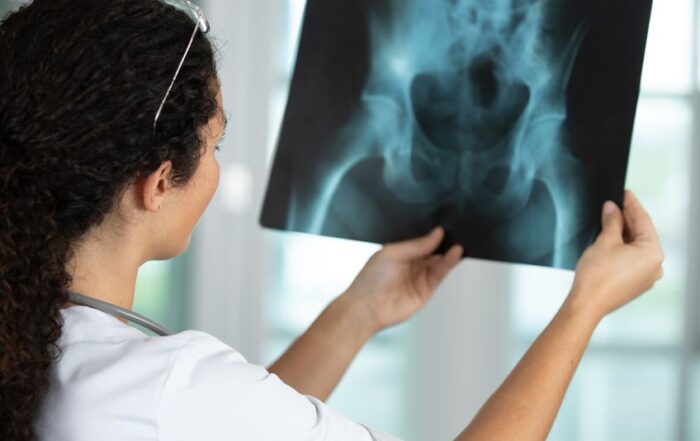
Hip Arthroscopy: Can It Treat Labral Tears And Impingement?
Hip labral tears and impingement may need surgery. Hip arthroscopy is an effective, long-term treatment option.

Meniscus Tear Surgery: When Should Patients Consider Repair?
Meniscus tear surgery is a major decision. Learn the factors that help patients to consider surgical repair.

Rotator Cuff Repair: Restoring Mobility & Relieving Shoulder Pain
Rotator cuff repair can relieve shoulder pain and restore strength. Learn how surgery works, recovery timelines, and when repair may be needed.

Managing Post-Surgical Pain: The Benefits Of Personalized Care Plans
After surgery, pain management is one of the most important things you need to finalize to help support your recovery.
Recent Posts
Hip Arthroscopy: Can It Treat Labral Tears And Impingement?
Hip labral tears and impingement may need surgery. Hip arthroscopy is an effective, long-term treatment option.
Meniscus Tear Surgery: When Should Patients Consider Repair?
Meniscus tear surgery is a major decision. Learn the factors that help patients to consider surgical repair.
Rotator Cuff Repair: Restoring Mobility & Relieving Shoulder Pain
Rotator cuff repair can relieve shoulder pain and restore strength. Learn how surgery works, recovery timelines, and when repair may be needed.
Managing Post-Surgical Pain: The Benefits Of Personalized Care Plans
After surgery, pain management is one of the most important things you need to finalize to help support your recovery.