
Broken Bones And Surgery
Not all fractures require surgery. Open reduction is used to treat minor bone breaks that can be set with casts or splint. Fractures that are unstable or not in a good position to heal naturally may require surgery to heal correctly. Internal fixation uses stabilizing devices such as metal plates or rods to secure the bones back in place and allow for proper healing. Most fractures requiring supporting devices will undergo open reduction and internal fixation (ORIF) surgery.

Breaks requiring surgery
The location of the injury is a significant factor in determining if surgery is needed. Bones don’t all react the same when broken, and specific fracture patterns heal better with surgery. The fractured pieces of bone may require help to stay together. If the break goes through a joint, surgery may be the only option for proper healing. Compound fractures, which occur where the bone breaks through the skin, almost always require surgery. If the break goes across or touches a childís growth plate, surgery may be the only option to avoid long term damage. Even bones that have begun to heal may require new alignment.
What to expect during recovery
Improper healing can impact future mobility and daily activities. Joints, ankles, and wrists are the most common areas of the body requiring surgery after a fracture. The operation can take several hours, and recovery takes 6-8 weeks. The risks of bone repair surgery are rare and include blood clots, infection, allergic reactions, and abnormal bleeding.
Treatment options
Fractured bones can be set through closed or open reductions. Closed reduction involves setting the bone with a cast or splint; no surgery is needed. Open reduction involves repositioning the bones through surgery. Bones that have initially been set with a closed reduction may require repositioning with open reduction surgery. Internal fixation is the use of mechanical devices to set and stabilize the bones. Metal screws, pins, plates, or rods used to hold the bone pieces together can be temporary or permanent.
ORIF surgery
Severe breaks or compound fractures will often require open reduction and internal fixation (ORIF) surgery. ORIF surgery is performed in two parts. First, the bone is set through open reduction. Next, internal fixation is performed to place stabilizing devices on the bone. Stabilizing mechanisms range from metal screws to specialized medical glue. Most ORIF surgeries are emergencies and performed under full anesthesia. After the bone has been set and stabilized, the incision will be closed with staples or stitches. The affected body part will be placed in a cast, brace, or sling. The length of the hospital stay will depend on the severity of the injury and type of ORIF surgery. The patient should plan on spending between 1-7 days in the hospital. Recovery will involve a combination of rest, pain medication, and physical therapy.
Is surgery needed?
Bones that cannot be reset and heal in a cast will most likely require surgery. Open reduction and internal fixation surgery (ORIF) will utilize metal rods, screws, plates, and even glue to stabilize the fractured bone. The stabilizing devices may be permanent or temporary but will give the weakened bone structure and allow for better mobility during the healing process. Consult a healthcare provider to learn more about surgical options.
Recent Posts
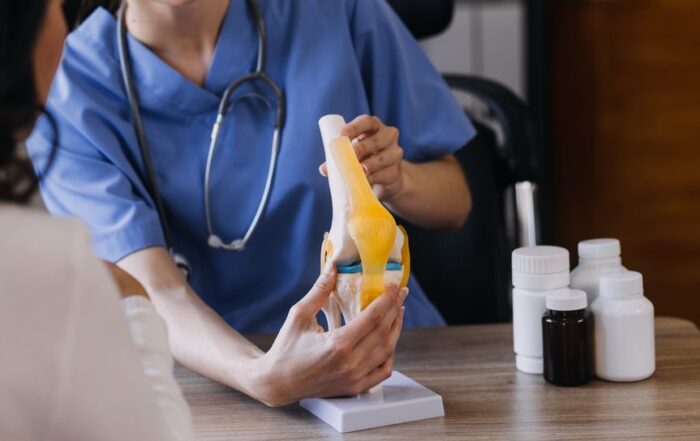
Partial vs Total Knee Replacement: Which Is Right?
Partial and total knee replacement can provide substantial relief. Learn which is best for long-term results.
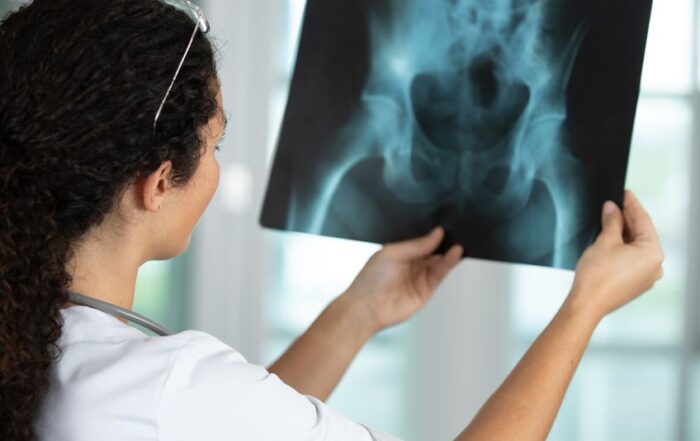
Hip Arthroscopy: Can It Treat Labral Tears And Impingement?
Hip labral tears and impingement may need surgery. Hip arthroscopy is an effective, long-term treatment option.

Meniscus Tear Surgery: When Should Patients Consider Repair?
Meniscus tear surgery is a major decision. Learn the factors that help patients to consider surgical repair.

Rotator Cuff Repair: Restoring Mobility & Relieving Shoulder Pain
Rotator cuff repair can relieve shoulder pain and restore strength. Learn how surgery works, recovery timelines, and when repair may be needed.
Recent Posts
Hip Arthroscopy: Can It Treat Labral Tears And Impingement?
Hip labral tears and impingement may need surgery. Hip arthroscopy is an effective, long-term treatment option.
Meniscus Tear Surgery: When Should Patients Consider Repair?
Meniscus tear surgery is a major decision. Learn the factors that help patients to consider surgical repair.
Rotator Cuff Repair: Restoring Mobility & Relieving Shoulder Pain
Rotator cuff repair can relieve shoulder pain and restore strength. Learn how surgery works, recovery timelines, and when repair may be needed.
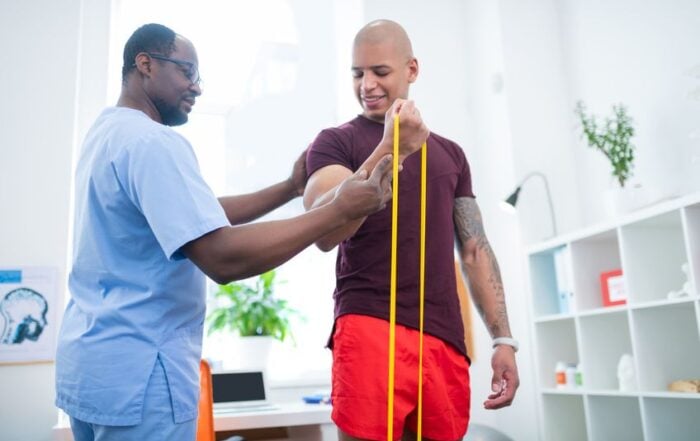
Managing Post-Surgical Pain: The Benefits Of Personalized Care Plans
After surgery, pain management is one of the most important things you need to finalize to help support your recovery.