
Taking Back Pain Seriously
Back injuries are one of the biggest ailments impacting Americans today. In fact, 8 out of 10 Americans will get back pain at some point. Back pain has become so ingrained, many people refuse professional help. But the problem could be so severe, a spine surgeon needs to get involved. Here’s when to see a spine surgeon about serious back pain.

Ignoring an injury crisis
A recent accident could cause longterm damage to the spine. Because there were no visual injuries, minor accidents are sometimes written off. Unsurprisingly, physical injuries are the number one reason for back pain and spinal surgery. There’s a big risk in ignoring an accident, so consult a spinal surgeon for peace of mind.
You’re out of commission
Many back injuries are muscle-related and go away without help. But if the injury resurfaces and causes too many sick days, the problem is deeper. Back pain causes over 200 million lost days of productivity yearly in America. Reduce these days significantly by seeing a spine surgeon.
Scary Symptoms
Back and spinal injuries like spinal stenosis and herniated discs have clear symptoms. These symptoms include weakness, fever, loss of bladder control, and numbness. Similar symptoms may prompt a visit to a general practitioner. But the symptoms, accompanied with back pain, may need intervention from a spinal surgeon.
When the problem is clear
If a patient complains about intense pain, doctors may perform an MRI, x-ray or similar scan. Did the results show clear damage? Then the next step is to see a spine surgeon. Some injuries need immediate action to avoid further nerve and spinal injury.
No more options
Surgeons complete about 500,000 back surgeries yearly. Compared to the millions with chronic back issues, minimally invasive spine surgery is definitely a better option. Back pain treatment includes chiropractic care, physical therapy, lifestyle changes, and medication but choosing a permanent solution is often the best choice especially with the rise addiction to pain killers.
When in doubt, go anyway
Back pain varies in intensity. Since the spine is the genesis of a healthy functioning body, no injury should be taken lightly. Spine surgeons can assess the degree of damage and provide excellent treatment. While spine surgery may seem like a scary option, what’s even scarier is ignoring the signs and developing longterm lifelong back problems.
Recent Posts

Partial vs Total Knee Replacement: Which Is Right?
Partial and total knee replacement can provide substantial relief. Learn which is best for long-term results.
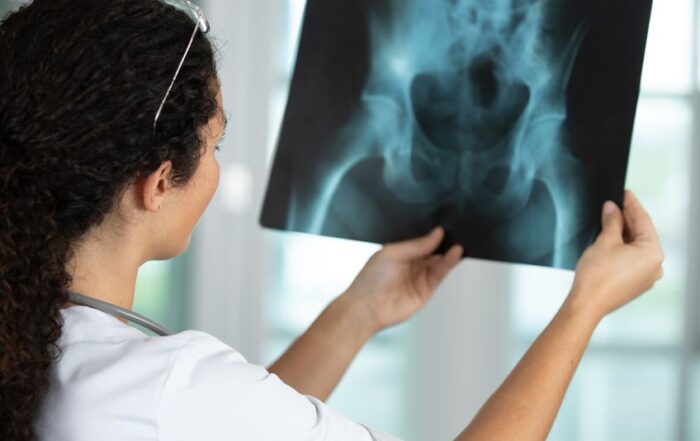
Hip Arthroscopy: Can It Treat Labral Tears And Impingement?
Hip labral tears and impingement may need surgery. Hip arthroscopy is an effective, long-term treatment option.

Meniscus Tear Surgery: When Should Patients Consider Repair?
Meniscus tear surgery is a major decision. Learn the factors that help patients to consider surgical repair.

Rotator Cuff Repair: Restoring Mobility & Relieving Shoulder Pain
Rotator cuff repair can relieve shoulder pain and restore strength. Learn how surgery works, recovery timelines, and when repair may be needed.
Recent Posts
Hip Arthroscopy: Can It Treat Labral Tears And Impingement?
Hip labral tears and impingement may need surgery. Hip arthroscopy is an effective, long-term treatment option.
Meniscus Tear Surgery: When Should Patients Consider Repair?
Meniscus tear surgery is a major decision. Learn the factors that help patients to consider surgical repair.
Rotator Cuff Repair: Restoring Mobility & Relieving Shoulder Pain
Rotator cuff repair can relieve shoulder pain and restore strength. Learn how surgery works, recovery timelines, and when repair may be needed.

Managing Post-Surgical Pain: The Benefits Of Personalized Care Plans
After surgery, pain management is one of the most important things you need to finalize to help support your recovery.