
Redefining Surgery
A surgical procedure can fix a crippling injury or be the difference between life and death. But with all successful surgeries, the next step is managing recovery. Conventional open surgeries bring long recovery times. Operations can also bring unbearable pain at the surgical site. Patients really want to feel better and recover faster. Surgeons may have found the solution in minimally invasive surgeries. So is minimally invasive surgery better for recovery than a traditional open procedure?

Small cuts, big wins
Since the 1980s, minimally invasive surgeries (MIS) are the go-to standard for surgeons. An MIS is an operation done with smaller incisions on the body. The goal is to inflict as little additional trauma as possible. Surgeons use small incisions and insert an endoscope for a full view of the surgical site via a monitor. Operating becomes easier using miniature tools through the same or a second incision. Because of MIS accuracy, the procedure helps with tumor removals, operations on tendons, and bones. Now, technology allows surgeons to even use robotics for MIS.
Turn down the pain
The benefits aren’t solely for surgeons. By taking a minimal approach, a key benefit is a reduction in pain. Patients deal with the pain of a cut several inches long with conventional practices. With one or two cuts of a ¼ inch, the degree of pain is significantly less. Imagine the difference in pain from a tiny slice versus a long gash.
Beware the opioid addiction
Pain management for surgery continues to be a sensitive topic. Prescribed pain medication called opioids helps with recovery. However, opioid addiction is a serious epidemic impacting millions post-surgery. With MIS, a reduction in pain means a reduction in the number of pills and prescriptions provided. Research backs up reduced opioid use with minimally invasive techniques. A comparative study revealed people undergoing MIS needed over 50% fewer pills than open surgery.
Reducing infection
Getting a surgical site infection is rare at about 1-3%. With site infections, bacteria enter the wound when the surgeon makes the incision. Surgical infections are pesky. Infections add fever and swelling to the pain of the incision. But can smaller incisions mean a smaller chance of infection? In a study of over 1,400 spinal surgery candidates, 66% opted for MIS vs open surgery. Infections averaged 0.8% versus the almost 4% of infections with open surgery.
Back on your feet in no time
Minimally invasive surgery can shorten the time between the operating table and normal life. With MIS, the recovery time for surgeries like carpal tunnel and ACL reconstruction is cut in half. Patients also experience a shorter hospital stay. Although the operations are longer than open procedures, MIS allows patients to leave the hospital in a few hours. Smaller incisions mean patients can manage initial pain at home.
Maximum upside from minimally invasive surgery
Open surgery still has a place in resolving life-threatening conditions. However, MIS has really changed the way patients experience simple procedures. Getting surgery is a pain, literally and figuratively. How can a patient say no to an option that puts a dent the pain? Find out if MIS is an option by talking to a surgeon today.
Recent Posts
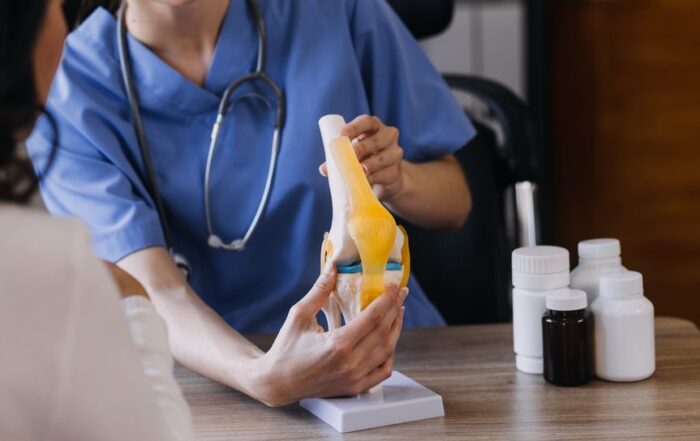
Partial vs Total Knee Replacement: Which Is Right?
Partial and total knee replacement can provide substantial relief. Learn which is best for long-term results.
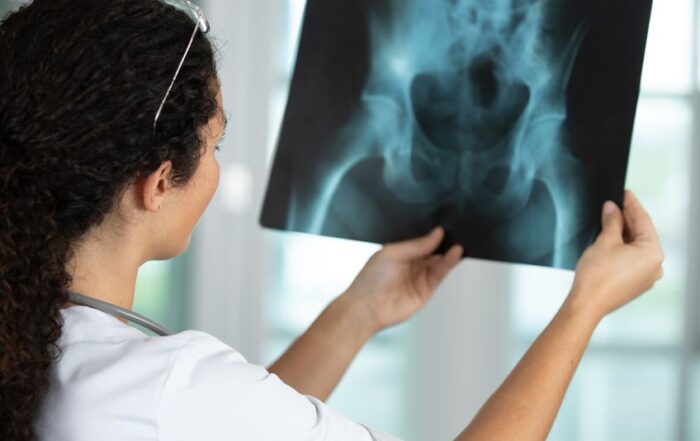
Hip Arthroscopy: Can It Treat Labral Tears And Impingement?
Hip labral tears and impingement may need surgery. Hip arthroscopy is an effective, long-term treatment option.

Meniscus Tear Surgery: When Should Patients Consider Repair?
Meniscus tear surgery is a major decision. Learn the factors that help patients to consider surgical repair.

Rotator Cuff Repair: Restoring Mobility & Relieving Shoulder Pain
Rotator cuff repair can relieve shoulder pain and restore strength. Learn how surgery works, recovery timelines, and when repair may be needed.
Recent Posts
Hip Arthroscopy: Can It Treat Labral Tears And Impingement?
Hip labral tears and impingement may need surgery. Hip arthroscopy is an effective, long-term treatment option.
Meniscus Tear Surgery: When Should Patients Consider Repair?
Meniscus tear surgery is a major decision. Learn the factors that help patients to consider surgical repair.
Rotator Cuff Repair: Restoring Mobility & Relieving Shoulder Pain
Rotator cuff repair can relieve shoulder pain and restore strength. Learn how surgery works, recovery timelines, and when repair may be needed.

Managing Post-Surgical Pain: The Benefits Of Personalized Care Plans
After surgery, pain management is one of the most important things you need to finalize to help support your recovery.