
Understanding Surgery Removes Fear
Is ACL surgery or knee replacement sound complicated? Having surgery seems scary. But knowledge is power. ACL and knee replacement surgeries are safe, with millions undergoing the procedure. The right questions equip patients with the mindset needed for a successful procedure. Ask the following questions before going under the knife.

Why recommend surgery?
Athletes and active patients who damage the ACL need the ligament repaired or reconstructed to resume activities. A partial tear of the ACL can heal without assistance. However, a full tear requires surgery. Especially if the intention is to get back to physical activities quickly. Likewise, knee replacement surgery improves mobility and lifestyle. Arthritis is the main culprit of degenerative knees. Surgery brings needed pain relief and a resumption of an active life.
What are the steps of ACL surgery?
The surgery starts with a spinal or general anesthesia. The procedure is minimally invasive, using an arthroscope and camera to operate on the knee. The surgeon removes the remaining ACL tendon. Next, surgeons will take a grafted tendon from the hamstring or a donor to replace the ACL. Two small holes drilled in the surrounding bone anchors the new ACL. Once attached, the surgeon stitches up the incisions. ACL surgery lasts a few hours and is an outpatient procedure.
What is the knee replacement procedure like?
With knee replacement, an incision along the knee reveals the bone and ligaments. Surgeons remove damaged bone on the patella, tibia, and fibia. The surgeon then fastens the prosthetic components onto the bones. X-rays review the work for accuracy. Then surgeons stitch up the knee, draining excess fluid. The procedure is an Arthroplasty and is also an outpatient procedure.
Do surgeons remove the ACL during knee replacements?
The ACL or Anterior Cruciate Ligament helps join the knee to the shin and thigh bones. The leg twists and turns with the ACL and PCL. As the knee replacement allows flexibility, the ligaments are no longer required. The debate on removing the ligaments rages on. New approaches in ACL-sparing knee replacement are in the works. However, current procedures remove the ligaments and the knee functions well without the ACL.
What’s the recovery timeframe?
Recovery for ACL surgery starts almost immediately after the procedure. After icing and resting the knee for 3-4 weeks. Depending on age, and the degree of physical therapy, recovery takes up to 6-9 months or more. Knee replacement surgery has a similar time frame. Walking with the help of a cane happens almost immediately. After 2-6 weeks, patients can walk unassisted. However, swelling and complete use of the knee takes 6-12 months.
Will the surgery last a lifetime?
Durable parts make up the new knee. According to a recent study, a knee replacement survives 20 years with 90% success. Age also plays a role. Younger patients are more likely to need revision. Leave room for complications or a revision with surgery. With respect to ACL, studies show a second ACL surgery needed in almost 14% of patients.
The bottom line? Surgeons have patients at heart
Surgery on the knee, whether ACL or knee replacement has a high safety and success rate. Surgeons expect knee replacement procedures to grow exponentially in the next decade. So expect improvements in safety and effectiveness. The same for ACL surgeries. Once patients ask the right questions, the process and recovery become easier.
Recent Posts
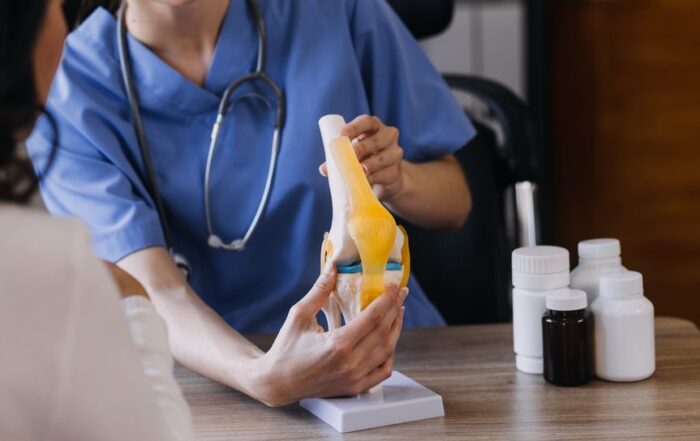
Partial vs Total Knee Replacement: Which Is Right?
Partial and total knee replacement can provide substantial relief. Learn which is best for long-term results.
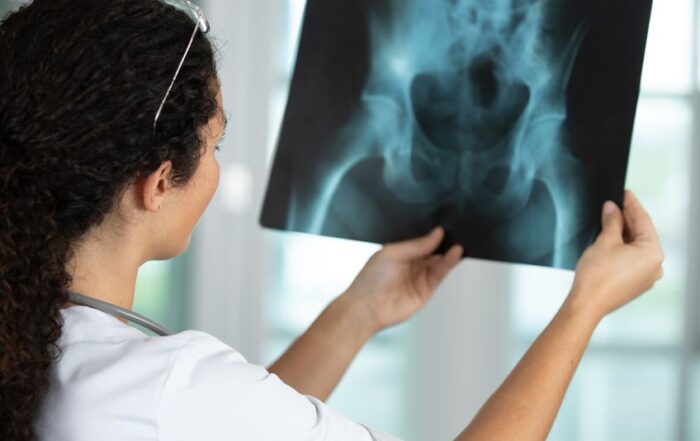
Hip Arthroscopy: Can It Treat Labral Tears And Impingement?
Hip labral tears and impingement may need surgery. Hip arthroscopy is an effective, long-term treatment option.

Meniscus Tear Surgery: When Should Patients Consider Repair?
Meniscus tear surgery is a major decision. Learn the factors that help patients to consider surgical repair.

Rotator Cuff Repair: Restoring Mobility & Relieving Shoulder Pain
Rotator cuff repair can relieve shoulder pain and restore strength. Learn how surgery works, recovery timelines, and when repair may be needed.
Recent Posts
Hip Arthroscopy: Can It Treat Labral Tears And Impingement?
Hip labral tears and impingement may need surgery. Hip arthroscopy is an effective, long-term treatment option.
Meniscus Tear Surgery: When Should Patients Consider Repair?
Meniscus tear surgery is a major decision. Learn the factors that help patients to consider surgical repair.
Rotator Cuff Repair: Restoring Mobility & Relieving Shoulder Pain
Rotator cuff repair can relieve shoulder pain and restore strength. Learn how surgery works, recovery timelines, and when repair may be needed.

Managing Post-Surgical Pain: The Benefits Of Personalized Care Plans
After surgery, pain management is one of the most important things you need to finalize to help support your recovery.