
Long-Term Effects Of Spinal Conditions
Chronic back or neck pain impacts millions of Americans every year, leading many to consider surgical interventions for long-term relief. Damaged vertebrae or herniated intervertebral discs can cause months or years of unbearable pain. The long-term effects of pain can lead to reduced mobility, high medical costs, and a poor quality of life. When conservative efforts fail, some patients may consider spine surgery. Whether spine surgery will relieve pain depends on several factors. Research, however, indicates that surgery offers long-term pain relief benefits for many individuals.
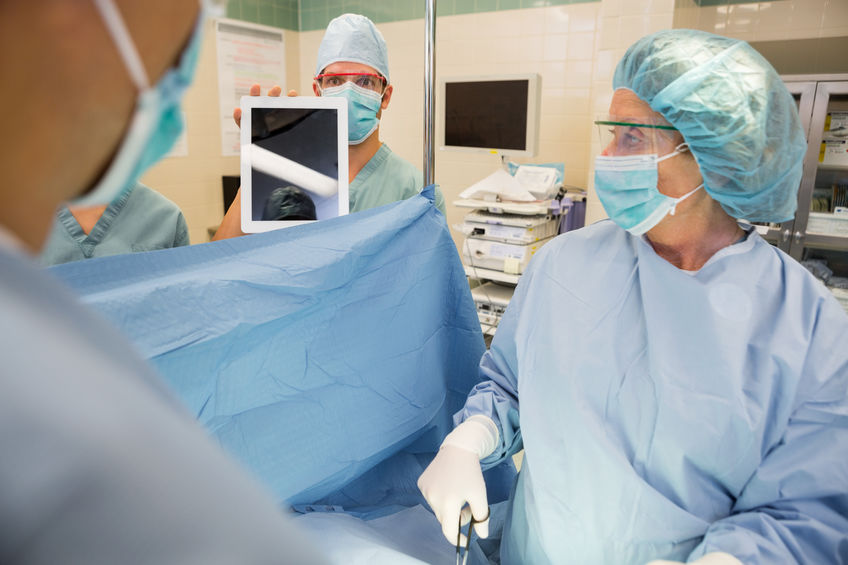
Is your pain surgically treatable?
Not all spine surgeries deliver equal results. The most favorable outcomes typically occur when there is a clear anatomical problem that correlates directly with symptoms. This is typically determined through detailed evaluation, including imaging and proper symptom diagnosis. For instance, surgery tends to be most effective for radiating leg pain, known as sciatica, from herniated discs. General axial back pain, on the other hand, may not benefit as much from surgery. Having a skilled team to guide patients through the evaluation process is critical in determining if spine surgery is an ideal option. In almost all cases of neck or extremity pain, non-surgical treatments are tried first. Physical therapy (PT), medication management, spinal injections, and lifestyle modifications often provide sufficient relief for many patients. If conservative treatments fail after many months, spine surgery is an option.
Matching problem with procedure
Surgery is only effective when matched with the exact pain generator. Advanced imaging, including magnetic resonance imaging (MRI), computed tomography (CT) scans, and diagnostic nerve blocks, can help pinpoint the structural source of pain. Sometimes, multiple evaluations from different specialists may provide valuable perspectives. As surgery is always considered a last resort, these tests prove vital in determining the best procedure. The surgeon may recommend removing all or part of a disc, a procedure known as a discectomy. During this surgery, pieces of bone, such as the lamina, are removed to give nearby nerves breathing room. Where necessary, the surgeon may also perform a spinal fusion, which allows the bones to grow into a single, sturdier unit.
The power of minimally invasive
After choosing the correct procedure, patients and surgeons must now navigate the spine surgery process. The surgeon will explain the necessary steps and surgical requirements in the days leading up to the procedure. For instance, some patients may need to fast for a particular timeframe or stop taking certain medications. Follow all instructions as best as possible. Some procedures can be performed using minimally invasive surgery (MIS), which limits tissue damage and blood loss. MIS procedures help reduce pain during recovery, speed up the recovery timeline, and increase success rates.
Timelines no one tells you about
Spine surgery can take several hours, but with MIS, most patients can leave the hospital the same day. However, recovery is known to be lengthy for most spine-related surgeries. The timeline can vary based on procedure type and individual factors. On average, patients undergoing spinal surgery will need to wait 3-6 months before returning to normal activity. In cases of spinal fusions, recovery can take even longer. Surgery can help address months or years of pain, but improvement isn’t always immediate. Most patients experience a gradual improvement after surgery, slowly regaining strength and abilities. Rest, diet, and PT play crucial roles in optimizing outcomes and preventing complications during recovery.
A winding road to relief
For many individuals, spinal surgery can make a big difference in daily pain levels. Most procedures do not completely eliminate pain, but significantly reduce discomfort and improve quality of life. More significant strides will be achieved when surgery is combined with positive lifestyle changes. Improving lifting and bending mechanics, adopting an exercise routine, and paying attention to weight management are all recommended. Adhering closely to physical therapy instructions also ensures long-term relief while reducing the risk of failed back surgery. Setting realistic expectations is pivotal.
Recent Posts

Partial vs Total Knee Replacement: Which Is Right?
Partial and total knee replacement can provide substantial relief. Learn which is best for long-term results.

Hip Arthroscopy: Can It Treat Labral Tears And Impingement?
Hip labral tears and impingement may need surgery. Hip arthroscopy is an effective, long-term treatment option.

Meniscus Tear Surgery: When Should Patients Consider Repair?
Meniscus tear surgery is a major decision. Learn the factors that help patients to consider surgical repair.

Rotator Cuff Repair: Restoring Mobility & Relieving Shoulder Pain
Rotator cuff repair can relieve shoulder pain and restore strength. Learn how surgery works, recovery timelines, and when repair may be needed.