
About Lumbar Discectomy
Lumbar discectomy is a surgical procedure that involves repairing any spine abnormalities. The main indication for discectomy is a herniated disc. A herniated disc occurs when a pinched nerve or nerve root compression occurs. In this situation, the doctor would remove part of a disc causing the symptoms.

Benefits of surgery
The doctor would advise surgery if the pain radiates to extremities. The surgery is also required if there is any difficulty standing or ambulating or any weakness or tingling symptoms. Back or neck pain may indicate the procedure, but not always. If symptoms persist after 6 weeks despite conservative treatment, the doctor may recommend surgery.
What happens after surgery?
After the surgery, the patient is placed under observation for some hours. Since the surgery is considered an outpatient procedure, one may get discharged on the same day after post-surgical observation. The doctor will likely prescribe pain medication to alleviate pain or discomfort during rehabilitation. However, the duration of stay in the hospital does vary from case to case based on the patient’s pre-existing medical conditions. For example, one study demonstrates more extended hospital stays for diabetes and narcotic-dependent patients.
Time to get stronger
The doctor would advise the required precautions depending on the patient’s condition. Standard precautions include avoiding straining activities such as lifting, sitting, twisting, bending, and driving for a few weeks. Other helpful recommendations include physical therapy or wearing a back brace—light activities such as walking for an hour or so are recommended. The doctor would likely advise heading back to work 2-6 weeks after surgery, some 6-8 weeks depending on the case and the patients’ recovery.
Risks and complications
Like any other surgery, discectomy is associated with various risks and complications. Some patients may fully recover after a few weeks, while others battle difficulties depending on the case. Some risks include bleeding or discharge, infection, blood clots, nerve injury, and any reaction to anesthetic drugs. Serious complications include loss of consciousness, calf pain, bladder issues, tingling sensation, and ongoing pain. If any difficulties occur, contact your healthcare provider immediately.
Response after the procedure
The surgery usually benefits most patients and reduces the symptoms. A study showed that surgery has a higher chance of having minimal symptoms years later than conservative treatment. According to past cases, surgical treatment works well if performed within 6 months of symptoms. Consult your doctor to see if you would benefit from treatment.
Recent Posts

Shoulder Labral Tear Symptoms: When To Consider Surgery
A shoulder labral tear causes significant pain. Look for these symptoms and the criteria for pain-relieving surgery.
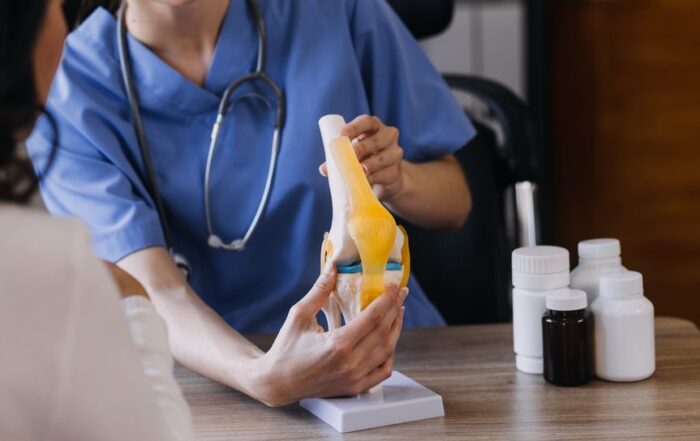
Partial vs Total Knee Replacement: Which Is Right?
Partial and total knee replacement can provide substantial relief. Learn which is best for long-term results.
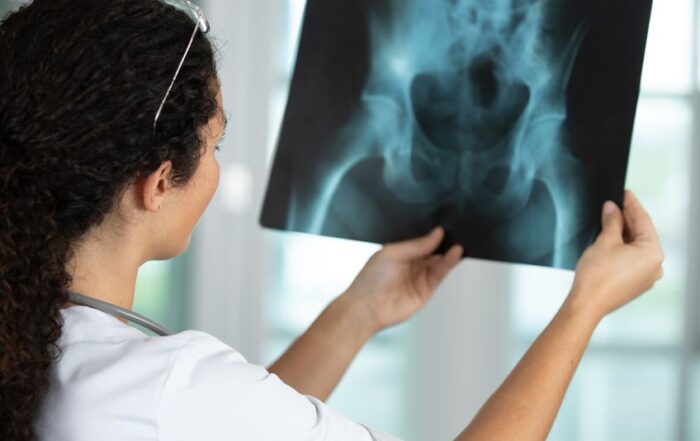
Hip Arthroscopy: Can It Treat Labral Tears And Impingement?
Hip labral tears and impingement may need surgery. Hip arthroscopy is an effective, long-term treatment option.

Meniscus Tear Surgery: When Should Patients Consider Repair?
Meniscus tear surgery is a major decision. Learn the factors that help patients to consider surgical repair.
Recent Posts
Shoulder Labral Tear Symptoms: When To Consider Surgery
A shoulder labral tear causes significant pain. Look for these symptoms and the criteria for pain-relieving surgery.
Partial vs Total Knee Replacement: Which Is Right?
Partial and total knee replacement can provide substantial relief. Learn which is best for long-term results.
Hip Arthroscopy: Can It Treat Labral Tears And Impingement?
Hip labral tears and impingement may need surgery. Hip arthroscopy is an effective, long-term treatment option.
Meniscus Tear Surgery: When Should Patients Consider Repair?
Meniscus tear surgery is a major decision. Learn the factors that help patients to consider surgical repair.