
Other Chronic Pain Treatments Not Working?
Chronic pain is not only frustrating but significantly debilitating. When typical forms of pain management don’t provide enough relief, doctors suggest an implant for spinal cord stimulation. Neurotransmitters use a tiny generator inserted under the skin near the abdomen or back. Electrodes connected via small wires send electronic impulses directly into the spinal cord. Often useful for chronic pain, key regulatory boards emphasize the importance of completing a trial period before the implantation surgery. Many health care providers suggest a stimulation trial on a patient for 3-7 days, with success defined as a 50% reduction in pain levels. Neurostimulators often provide pain relief and improved sleeping patterns while boosting patient mobility when used in tandem with other pain management systems.

Relief from chronic pain
Nerve pain, angina, and radiation-related neuropathy are a few types of pain that may respond to electric stimulation. Nerve specialists recommend a neurostimulator for specific forms of pain that are exceptionally long-lasting and debilitating. With thin wires acting as electrodes and a small battery pack as a generator, the device sends electrical impulses directly to areas of pain. Spinal cord stimulation treats pain by targeting multiple muscle groups along the spine, swapping intense pain for a slight tingling sensation.
Sleeping better with spinal stimulation
Each year, an estimated 50,000 neurostimulators are utilized to relieve unmanageable pain levels. Paired with physical therapy, certain medications, cardiovascular exercise, and spine stimulation can also improve a patient’s sleeping patterns. Chronic pain often limits a patient’s ability to sleep. Using a neurostimulator, patients change how the brain experiences pain to a more manageable sensation.
Maximizing mobility
Historically, neurostimulators came in several different types based on impulse strength. As medical technology improved, streamlined designs produced today’s standard neurostimulators. To ensure the patient understands the device fully, surgeons will outline operations along with how to adjust the intensity of the electrical signal. Since walking requires more energy than sitting on the couch, patients can save a few of the most used preset programs for quick and easy access.
Living a pain-free life
Constant pain can cause enormous disruption in a patient’s life. By combining spine stimulation with physical therapy and other traditional pain treatments, patients can return to daily life. Using a generator surgically installed underneath the skin, the neurostimulator targets areas of pain with electronic impulses. Spine stimulation allows patients to swap pain for a light tingling, boosting mobility, sleep, and overall quality of life.
Recent Posts

Shoulder Labral Tear Symptoms: When To Consider Surgery
A shoulder labral tear causes significant pain. Look for these symptoms and the criteria for pain-relieving surgery.
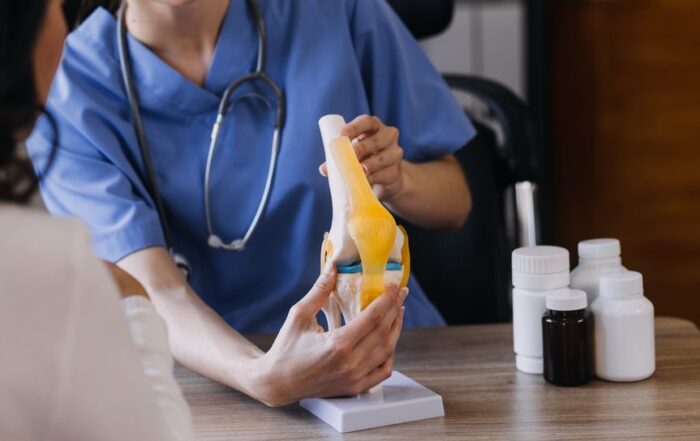
Partial vs Total Knee Replacement: Which Is Right?
Partial and total knee replacement can provide substantial relief. Learn which is best for long-term results.

Hip Arthroscopy: Can It Treat Labral Tears And Impingement?
Hip labral tears and impingement may need surgery. Hip arthroscopy is an effective, long-term treatment option.

Meniscus Tear Surgery: When Should Patients Consider Repair?
Meniscus tear surgery is a major decision. Learn the factors that help patients to consider surgical repair.
Recent Posts
Shoulder Labral Tear Symptoms: When To Consider Surgery
A shoulder labral tear causes significant pain. Look for these symptoms and the criteria for pain-relieving surgery.
Partial vs Total Knee Replacement: Which Is Right?
Partial and total knee replacement can provide substantial relief. Learn which is best for long-term results.
Hip Arthroscopy: Can It Treat Labral Tears And Impingement?
Hip labral tears and impingement may need surgery. Hip arthroscopy is an effective, long-term treatment option.
Meniscus Tear Surgery: When Should Patients Consider Repair?
Meniscus tear surgery is a major decision. Learn the factors that help patients to consider surgical repair.