
An Inevitable Result Of Knee Pain
Knee pain can quickly turn from an occasional nuisance to chronic pain and discomfort. Simple, enjoyable movements like walking, bending, or running become impossible without pain. For close to 800,000 Americans, the only solution is to get a minimally invasive knee replacement. Knee replacements bring a host of questions and concerns. Most patients want to know the cause and, more importantly, how long will recovery take after surgery.

Why your knee hurts so much
The knee is not just the bulging piece of bone in the middle of the leg. The joint comprises the ends of the tibia, fibula, and patella or kneecap. Cruciate ligaments connect the two bones and help with stability and flexibility. Knee pain can happen due to minor tears, tendinitis, or a sprained ligament. However, arthritis is one of the more common reasons for knee pain. Arthritis can wear away the bone and cartilage, causing long-term pain.
What is minimally invasive knee replacement?
Traditional knee replacement surgery needs a long incision in the center of the knee to access the patient’s joints. A minimally invasive procedure uses 2 or more small incisions to access the surgical site. The surgeon can then use a scope and small tools to remove damaged bone and cartilage. In the end, the procedure replaces the worn surfaces with a prosthesis. Minimally invasive surgery ensures a quicker recovery time. Some other benefits include:
- Limited damage to the skin and encircling soft tissue
- Less blood loss during the operation
- Reduced pain and discomfort
- Minimal scarring and chances of infection
Starting the road to recovery
With minimally invasive surgery, a patient does not have to spend days in recovery at the hospital. In fact, some surgical centers perform knee replacements in an outpatient setting. That means the patient gets to leave the same day. Recovery starts right away with pain management and wound care. The patient uses the help of the physical therapist to perform simple tasks like getting out of bed. There will also be a range of exercises to help with knee strength and flexibility. For the next 4 weeks, the patient will gradually improve standing, bending, and performing simple tasks.
A stronger knee at weeks 4-8
Recovery continues from week 4 onward. The patient will have physical therapy visits to improve the range of motion and strength. As strength increases, the patient will move for more extended periods without a walker or crutches. At week 8, recovery should be good enough to return to some basic activities. These activities include driving short distances and some non-contact work.
Feeling close to 100% again
At 12 weeks, knee replacement patients should see significant improvement in movement and strength. Some patients even resume non-contact sports. At this stage, the knee will be strong enough to resume everyday activities. However, patients should still rest often. Total recovery and strength will be noticed at the 6-month mark. But at the 12-week mark, the minimally invasive knee replacement is considered a success.
Minimally invasive surgery makes a difference
Persons with knee pain can’t navigate life effectively, and, often, the best solution is surgery. Surgery can take several weeks to months for a full recovery. Anyone having surgery must keep this timeline in mind and adjust life and work activities accordingly. Luckily, a minimally invasive knee replacement significantly reduces recovery time. Studies show a possible 90% shorter recovery time compared to open surgery. If knee pain continues to hamper life, speak with a doctor about surgery and recovery time today.
Recent Posts

Shoulder Labral Tear Symptoms: When To Consider Surgery
A shoulder labral tear causes significant pain. Look for these symptoms and the criteria for pain-relieving surgery.
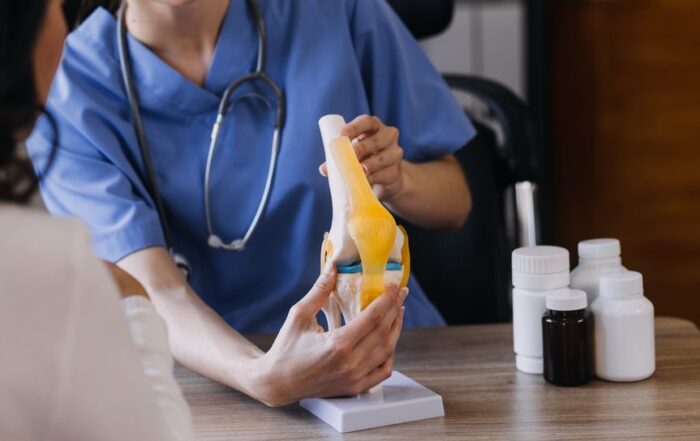
Partial vs Total Knee Replacement: Which Is Right?
Partial and total knee replacement can provide substantial relief. Learn which is best for long-term results.
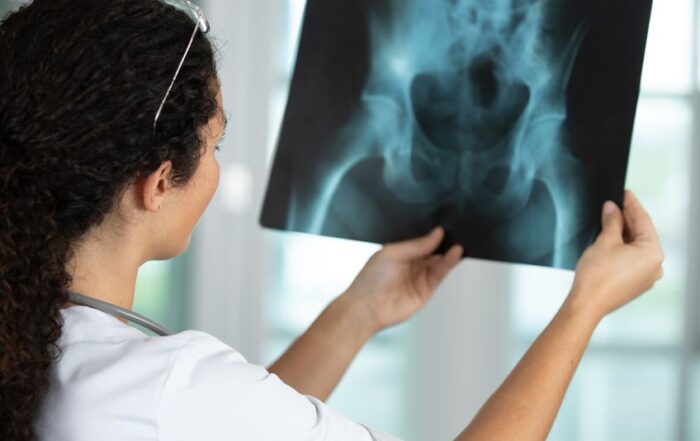
Hip Arthroscopy: Can It Treat Labral Tears And Impingement?
Hip labral tears and impingement may need surgery. Hip arthroscopy is an effective, long-term treatment option.

Meniscus Tear Surgery: When Should Patients Consider Repair?
Meniscus tear surgery is a major decision. Learn the factors that help patients to consider surgical repair.
Recent Posts
Shoulder Labral Tear Symptoms: When To Consider Surgery
A shoulder labral tear causes significant pain. Look for these symptoms and the criteria for pain-relieving surgery.
Partial vs Total Knee Replacement: Which Is Right?
Partial and total knee replacement can provide substantial relief. Learn which is best for long-term results.
Hip Arthroscopy: Can It Treat Labral Tears And Impingement?
Hip labral tears and impingement may need surgery. Hip arthroscopy is an effective, long-term treatment option.
Meniscus Tear Surgery: When Should Patients Consider Repair?
Meniscus tear surgery is a major decision. Learn the factors that help patients to consider surgical repair.