
Are You Struggling With Hammertoes?
Hammertoes, a common medical condition of the foot, can benefit from foot surgery. The condition usually impacts the second, third, or fourth digits and causes the toes to curl abnormally. Inflammation of the tendons and ligaments in the toe or muscular imbalances are often the underlying cause of hammertoes. Improper footwear, bunions, and high-arched feet are other common causes. The condition can worsen, leading to pain, stiffness, and difficulty walking. Hammertoes are more severe when the individual cannot extend or flex the toes, with the toe in a rigid, fixed position. These severe cases sometimes require foot surgery and a lengthy recovery. This recovery guide can help patients navigate the procedure and achieve favorable results.
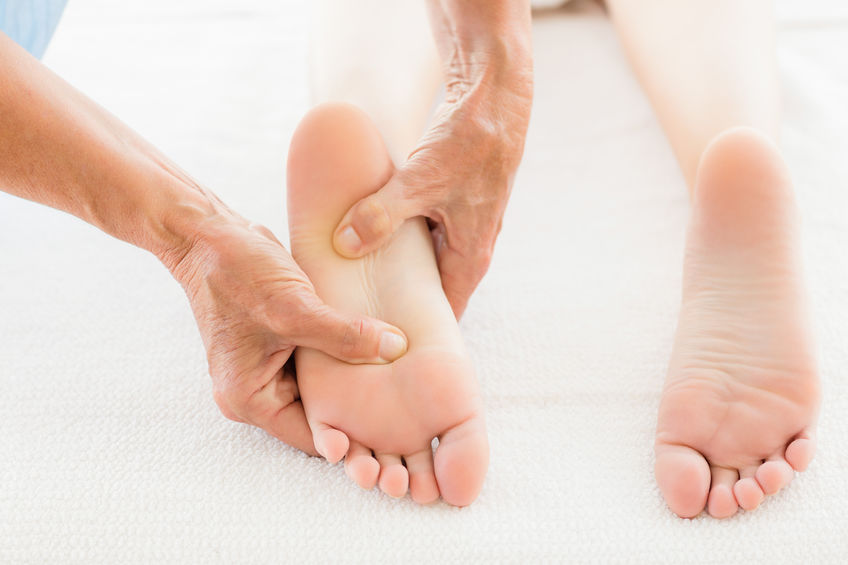
A close look at foot surgery and recovery
Hammertoe correction surgery or any other foot surgery is recommended when non-surgical treatment methods fail to improve the condition. The procedure is necessary to correct underlying structural issues causing the foot deformity. The surgeon will have multiple options depending on the extent of the condition. For instance, the surgeon can lengthen or release tendons by cutting some of the tissue. This process allows the toes to straighten again. Sometimes, pieces of bone and tendon may be removed, or a tendon from the bottom of the toe is moved to the top of the toe. Screws and pins can also help with the bone fusing to prevent hammertoes in the future. Surgery is often performed with minimally invasive means, allowing patients to leave the location the same day.
Your recovery timeline
Foot surgery does require a rehabilitation period. This allows the incisions to heal and the toes to regain function. On average, healing can take 6-8 weeks, with some persons needing longer for a complete recovery. During the first 2 weeks, the patient will focus on wound care and pain management as the incisions begin to heal. There will be limited function, and the patient will not be allowed to walk or apply pressure to the foot. A walker, cane, knee scooter, or crutches can help with mobility. As the recovery progresses into weeks 3-6, swelling decreases, and some function is restored, allowing the patient to move short distances. Stitches and pins are often removed around this time. Some physical therapy (PT) in the form of ankle, foot, and leg exercises can help with circulation and mobility. By weeks 6-8, most patients can resume normal activities, although full healing may take longer. Walking without discomfort is possible, and patients should begin to see the benefits of surgery.
Tips for a faster recovery
To make recovery seamless, look for warning signs of side effects or complications. Excess swelling, persistent sharp pains, or warm sensations around the surgical site can indicate infections. As recovery progresses, look for significant loss of mobility, sensation, or worsening symptoms. During recovery, follow the doctor and therapist's instructions around wound care, massage, exercise, and PT. For instance, using ice packs, elevating the foot, and avoiding unnecessary pressure on the toes can help. Surgery also takes a toll on the body, so fuel with a healthy diet and hydration to provide adequate resources for recovery. These steps are often enough for a more efficient recovery.
Put the hammer on foot surgery recovery
Surgery can be helpful for those with worsening foot conditions that do not improve with treatment. Not only should patients carve out time for surgery, but recovery as several weeks is needed before extensive unassisted movement. While the procedure has high success rates, patients help by managing recovery effectively. Follow the care plan while staying active after the first 2-4 weeks of surgery, within limits. As foot surgery is a seamless process, most patients can recover well without complications.
Recent Posts
Partial vs Total Knee Replacement: Which Is Right?
Partial and total knee replacement can provide substantial relief. Learn which is best for long-term results.
Hip Arthroscopy: Can It Treat Labral Tears And Impingement?
Hip labral tears and impingement may need surgery. Hip arthroscopy is an effective, long-term treatment option.

Meniscus Tear Surgery: When Should Patients Consider Repair?
Meniscus tear surgery is a major decision. Learn the factors that help patients to consider surgical repair.

Rotator Cuff Repair: Restoring Mobility & Relieving Shoulder Pain
Rotator cuff repair can relieve shoulder pain and restore strength. Learn how surgery works, recovery timelines, and when repair may be needed.