
Why Am I Having Muscle Spasms?
Muscle spasms, especially along the back or spine, can be a very uncomfortable feeling. These sharp pains are a sign of an untreated spinal issue. A muscle spasm is the body’s natural response to a strain, sprain, or bodily complication. When soft tissue like muscles or tendons become inflamed, the nerve endings cause muscle spasms. Furthermore, diseases like degenerative disc disease or facet joint osteoarthritis can produce reoccurring muscle spasms.

What is a herniated disc, and can it lead to back problems?
Each spinal disc is comprised of a soft center surrounded by a tough exterior. The smooth center is called the nucleus, and the rugged exterior portion is the annulus. The discs act as cushions for the bones along the vertebrae. When a spinal disc becomes ruptured, the nucleus starts protruding out of the annulus. The pain of a herniated disc can extend into the legs and arms along with causing back spasms.
Herniated discs are a common back problem because each spinal disc naturally loses elasticity and lubrication as people age. This group of symptoms is often categorized under degenerative disc disease. However, people with physically demanded jobs when lifting and moving heavy objects is a requirement are much more susceptible to herniated discs. If left untreated, herniated discs can cause permanent spinal damage.
Does my doctor have to diagnose me before treatment?
Doctors have to conduct a complete medical examination to identify the cause of the patient’s back spasms. Doctors will perform a physical exam during the exam, question the patient about past medical history, and order imaging tests like MRIs and CAT scans to view the vertebrae. After thorough testing, doctors will identify the cause of the patient’s muscle spasms. Then, doctors work with the patient to develop a comprehensive treatment plan.
What are the treatment options for muscle spasms?
Doctors may suggest ice/heat therapy and NSAIDs like ibuprofen to treat pain for sporadic muscle spasms. Patients begin by applying an ice pack to the affected area to reduce inflammation and swelling. Then, patients use a heat pack directly to the site and soak in a hot bath to relax the muscles. Ibuprofen helps to relieve feelings of pain and discomfort.
Other treatment options are geared toward treating the cause of these back spasms. For example, if a herniated disc is the root cause of a back spasm, doctors may prescribe muscle relaxants, cortisone injections, or physical therapy. In extreme cases, doctors will perform a discectomy. During a discectomy, the doctor removed a portion of the ruptured disc.
When should I see a doctor?
Patients should seek medical attention when experiencing shooting pains down the arms or legs, numbing sensations, or tingling. A medical professional will be able to properly diagnose the patient and provide a variety of treatment options. Speak to a medical professional today to learn more about muscle spasms.
Recent Posts

Shoulder Labral Tear Symptoms: When To Consider Surgery
A shoulder labral tear causes significant pain. Look for these symptoms and the criteria for pain-relieving surgery.
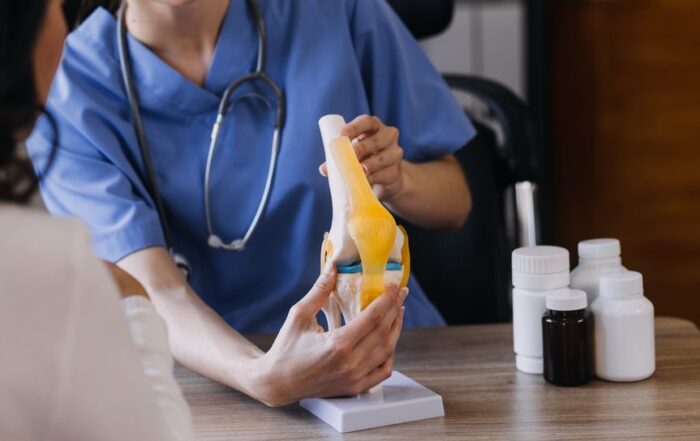
Partial vs Total Knee Replacement: Which Is Right?
Partial and total knee replacement can provide substantial relief. Learn which is best for long-term results.
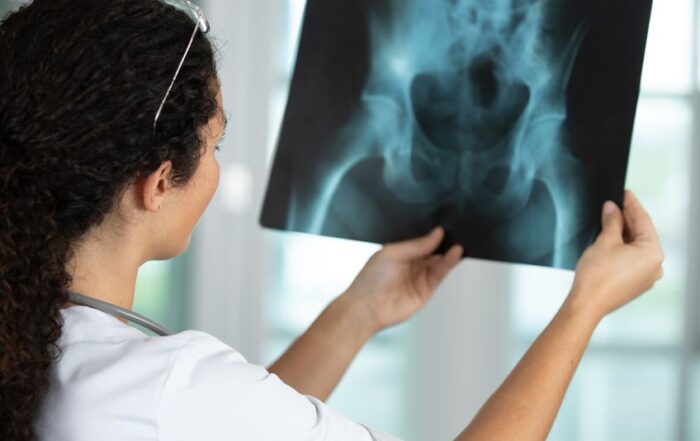
Hip Arthroscopy: Can It Treat Labral Tears And Impingement?
Hip labral tears and impingement may need surgery. Hip arthroscopy is an effective, long-term treatment option.

Meniscus Tear Surgery: When Should Patients Consider Repair?
Meniscus tear surgery is a major decision. Learn the factors that help patients to consider surgical repair.
Recent Posts
Shoulder Labral Tear Symptoms: When To Consider Surgery
A shoulder labral tear causes significant pain. Look for these symptoms and the criteria for pain-relieving surgery.
Partial vs Total Knee Replacement: Which Is Right?
Partial and total knee replacement can provide substantial relief. Learn which is best for long-term results.
Hip Arthroscopy: Can It Treat Labral Tears And Impingement?
Hip labral tears and impingement may need surgery. Hip arthroscopy is an effective, long-term treatment option.
Meniscus Tear Surgery: When Should Patients Consider Repair?
Meniscus tear surgery is a major decision. Learn the factors that help patients to consider surgical repair.