
Your Lower Back Pain May Be This Joint
Back pain, notably lower back pain, affects millions of Americans every year. Most cases are due to the lower vertebrae and intervertebral discs. Slipped discs and arthritis are common conditions. In some instances, the back pain can be due to the sacroiliac joint (SI) joint. SI joint pain is severe and can impact one’s quality of life. The dull yet sharp pain can move to other parts of the body. In rare cases, SI fusion is a surgical procedure that can help.

What is the SI joint?
The sacroiliac joint (SI) joint is a fibrous joint that sits at the end of the spine. The joint connects the inner pelvis to the sacrum, that thick piece of bone at the end of the spine. Each side has one SI joint, responsible for load-bearing and stability, especially when standing. SI joint pains happen from falls, accidents, or arthritis. In addition, long hours sitting, pregnancy, or repeated impact can cause pain. Previous spinal fusions can cause overcompensation and increase the joint’s damage in rare cases.
What to expect with SI pain
SI joint pain is hard to diagnose. The lower discs and vertebrae have similar symptoms to SI joint pain. Most people will experience lower back pain on one side when sitting, general stiffness, and discomfort. The joint can move too much or not enough, causing sacroiliitis. An orthopedic surgeon or neurologist will need to perform a series of tests to determine if the SI joint is the problem. These include physical examinations, CT scans, or an MRI.
Treating your SI joint
SI fusion is not taken lightly, and the surgical team will try non-surgical methods first. For instance, the team injects pain medication using fluoroscopy. If this provides pain relief, then other techniques can help. These include physical therapy, steroid injections, chiropractic care, PRP, and much more. SI fusion may be an option if these fail to bring long-term relief after several months.
It’s time for fusion
SI fusion is a minimally invasive procedure that stabilizes the pelvis and sacrum. The surgeon will make small incisions at the lower back and move the pelvic muscles. In some cases, the surgeon enters from the buttock area. Fluoroscopy allows the doctor to have a clear view of the joint. The surgeon will clean up bone spurs or tissue causing pain and stiffness if necessary. A hole is drilled through the iliac crest, where titanium or ceramic implant is inserted. The surgery can take about an hour, and based on the setting, and the patient may leave the same day.
Can your surgeon operate on both sides?
SI joint pain usually occurs unilaterally, meaning on one side. Both SI joints can cause pain, stiffness, and discomfort sporadically. Bilateral dysfunction means that both joints need treatment. The surgeon can operate on one side first and the other later, or both sides at once. Surgery is possible but depends on 2 factors. First, the health of the patient is crucial. Can the patient take on the trauma of 2 fusions? The other factor is the overall decision of the patient. The patient can decide if to delay surgery or not.
Trust your surgeon
Chronic SI joint pain can severely impact the quality of life. If both joints are causing discomfort and surgery is necessary, SI fusion can happen on both sides. Since surgery is minimally invasive, surgery is possible on both sides in one procedure. However, that depends on the health of the patient. The surgeon will best advise if to delay surgery on one side or not. With recovery after surgery on both sides, there will be a significant improvement in pain. Look for the signs of SI joint pain and speak with a doctor today.
Recent Posts

Shoulder Labral Tear Symptoms: When To Consider Surgery
A shoulder labral tear causes significant pain. Look for these symptoms and the criteria for pain-relieving surgery.
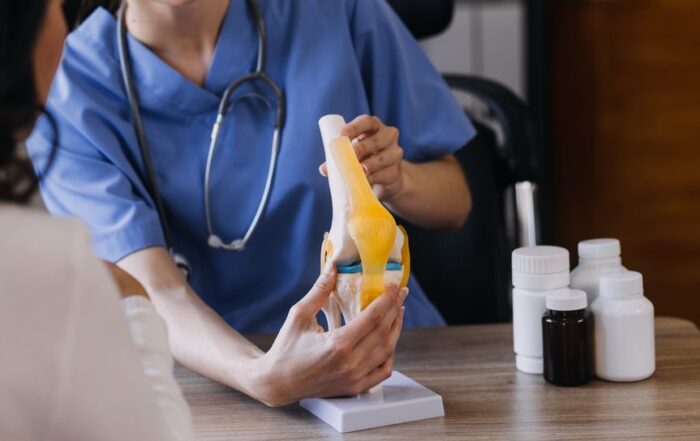
Partial vs Total Knee Replacement: Which Is Right?
Partial and total knee replacement can provide substantial relief. Learn which is best for long-term results.
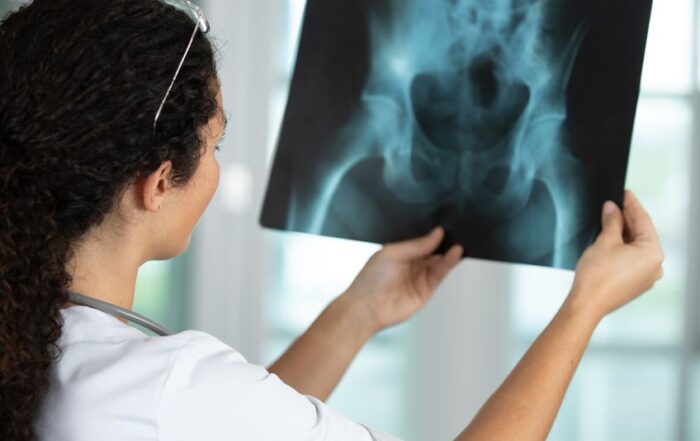
Hip Arthroscopy: Can It Treat Labral Tears And Impingement?
Hip labral tears and impingement may need surgery. Hip arthroscopy is an effective, long-term treatment option.

Meniscus Tear Surgery: When Should Patients Consider Repair?
Meniscus tear surgery is a major decision. Learn the factors that help patients to consider surgical repair.
Recent Posts
Shoulder Labral Tear Symptoms: When To Consider Surgery
A shoulder labral tear causes significant pain. Look for these symptoms and the criteria for pain-relieving surgery.
Partial vs Total Knee Replacement: Which Is Right?
Partial and total knee replacement can provide substantial relief. Learn which is best for long-term results.
Hip Arthroscopy: Can It Treat Labral Tears And Impingement?
Hip labral tears and impingement may need surgery. Hip arthroscopy is an effective, long-term treatment option.
Meniscus Tear Surgery: When Should Patients Consider Repair?
Meniscus tear surgery is a major decision. Learn the factors that help patients to consider surgical repair.