
Feeling A Bit Unstable?
The shoulder is involved in almost every movement of the arm, every day. The joints, muscles, ligaments, and tendons all work together for lifting, rotating, throwing, and much more. The shoulder joint depends on the tendons and ligaments for stability to function. Shoulder instability occurs when one or more of these elements are damaged. As a result, the joint can feel out of place. If the issue continues, a labral tear is one of the first injuries a doctor would suspect.

Beware of a labral tear
The shoulder is a ball and socket joint that connects the upper arm to the chest and collarbone. Wrapped around the joint are a series of muscles and ligaments called the rotator cuff. Around the edge of the shoulder socket is the labrum, a thick, cup-like piece of cartilage. The labrum helps keep the ball in the socket and connects other tissues. Labral tears can be classified as SLAP tears and Bankart tears, which need medical help.
Signs and symptoms of shoulder instability
Labral tears, regardless of how serious, can lead to shoulder instability. With shoulder instability, the joint loses range of motion. Simple positions like raising the arm overhead, performing household tasks, or lifting items are problematic. The joint can pop out of place, weakening the shoulder. When that happens, pain, swelling, and a clicking or catching motion can occur. Look for these signs and speak with a doctor immediately.
Do you need surgery?
A doctor will perform a physical exam and x-ray to review the shoulder. Further tests like an MRI or CT scan can determine the degree of damage. From there, doctors can decide if surgery is necessary. The shoulder can benefit from non-surgical treatment such as immobilization in a sling in many cases. A combination of pain medication, physical therapy, and temperature therapy can help recover. If there is no relief after several weeks of treatment, surgery is best. Surgery is also helpful for athletes who want to get back to playing as quickly as possible.
Here’s what happens under the knife
Thanks to advancements in technology, shoulder repair happen under minimally invasive means. That means smaller incisions, faster recovery, and better outcomes. First, the surgeon uses arthroscopy to view the damaged ligaments. From there, the surgeon will reattach the ligament, stitch the labrum, or anchor the ligament to the bone. After surgery, patients often need 6-8 weeks of physical therapy to restore the full range of motion.
Take care of your shoulder
Shoulder instability due to labral tears can be painful. In many cases, labral tears could be the reason. Shoulder instability responds well to non-surgical means, but the doctor will suggest surgery if these fail. Repairing the ligament using minimally invasive surgery can help. If the shoulder feels unstable, speak with a doctor immediately.
Recent Posts

Shoulder Labral Tear Symptoms: When To Consider Surgery
A shoulder labral tear causes significant pain. Look for these symptoms and the criteria for pain-relieving surgery.
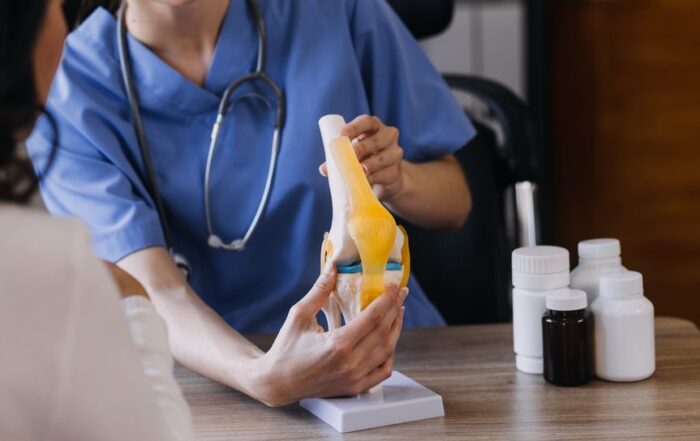
Partial vs Total Knee Replacement: Which Is Right?
Partial and total knee replacement can provide substantial relief. Learn which is best for long-term results.
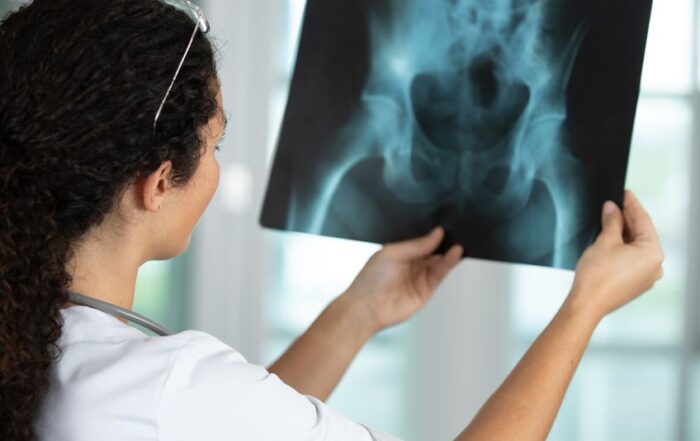
Hip Arthroscopy: Can It Treat Labral Tears And Impingement?
Hip labral tears and impingement may need surgery. Hip arthroscopy is an effective, long-term treatment option.

Meniscus Tear Surgery: When Should Patients Consider Repair?
Meniscus tear surgery is a major decision. Learn the factors that help patients to consider surgical repair.
Recent Posts
Shoulder Labral Tear Symptoms: When To Consider Surgery
A shoulder labral tear causes significant pain. Look for these symptoms and the criteria for pain-relieving surgery.
Partial vs Total Knee Replacement: Which Is Right?
Partial and total knee replacement can provide substantial relief. Learn which is best for long-term results.
Hip Arthroscopy: Can It Treat Labral Tears And Impingement?
Hip labral tears and impingement may need surgery. Hip arthroscopy is an effective, long-term treatment option.
Meniscus Tear Surgery: When Should Patients Consider Repair?
Meniscus tear surgery is a major decision. Learn the factors that help patients to consider surgical repair.