
Is It Time For PLIF?
A posterior lumbar interbody fusion (PLIF) is a special approach to surgery in the lower spine. PLIF seeks to repair spinal conditions like herniated discs, degenerated discs, and spondylolisthesis. The surgeon approaches the surgery from the back or posteriorly, often using minimally invasive means. The damaged disc is removed, and a bone graft is installed. Metal screws and rods hold the spine in place to allow the bones to fuse.
Preparing for surgery
Surgery has evolved to safer, more successful techniques. Although the procedure is safe, the patient must prepare for surgery. Making simple changes improves the chances of success. Some things can help, such as a healthy diet and preparing the house for more effortless mobility beforehand. However, there are 3 things all patients should do before surgery that has a major impact on the outcome.
1. Quit smoking
Smoking has been long discussed as a practice that is dangerous for health. Surgeons agree that the practice is particularly harmful to spinal procedures. The nicotine can impact the success of the fusion. Smokers also have delayed healing, more post-operative pain, and a higher chance of complications. Quitting at least several weeks before surgery is ideal. If necessary, get medical support to help curb the habit.
2. Alcohol, infections, and bleeding
Alcohol consumption can have a negative impact on surgery. Heavy, chronic alcohol use can harm both the procedure and recovery. Drinking heavily as little as 48 hours before surgery can increase the chance of infections. Studies show that there is also an increased chance of bleeding and heart complications, even with minimally invasive surgery. For the safest outcome, stop alcohol 4-8 weeks before surgery.
3. Stop NSAIDs and other blood thinners
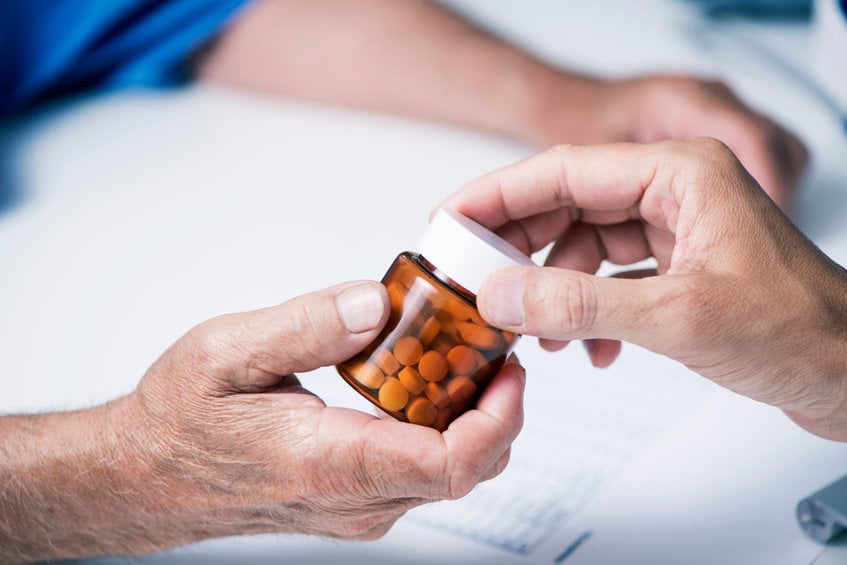
Most spinal surgery patients rely on non-steroidal anti-inflammatory drugs (NSAIDs) for pain management. However, these drugs can be counterproductive to surgery. NSAIDs are known blood thinners that can cause complications. Some supplements like omega-3s and vitamin E also cause blood thinning. Review all medication and supplements and stop at least 7 days before surgery.
Pause for PLIF
With any surgical procedure, there is a chance of complications. PLIF can help with reducing pain and improving mobility. However, success depends on both the patient and the surgeon. Quitting smoking, alcohol, and NSAIDs can help both procedure and recovery. Raise these concerns with the spinal surgeon and seek help with quitting as necessary.
Recent Posts

Shoulder Labral Tear Symptoms: When To Consider Surgery
A shoulder labral tear causes significant pain. Look for these symptoms and the criteria for pain-relieving surgery.
Partial vs Total Knee Replacement: Which Is Right?
Partial and total knee replacement can provide substantial relief. Learn which is best for long-term results.
Hip Arthroscopy: Can It Treat Labral Tears And Impingement?
Hip labral tears and impingement may need surgery. Hip arthroscopy is an effective, long-term treatment option.
Meniscus Tear Surgery: When Should Patients Consider Repair?
Meniscus tear surgery is a major decision. Learn the factors that help patients to consider surgical repair.
Recent Posts
Shoulder Labral Tear Symptoms: When To Consider Surgery
A shoulder labral tear causes significant pain. Look for these symptoms and the criteria for pain-relieving surgery.
Partial vs Total Knee Replacement: Which Is Right?
Partial and total knee replacement can provide substantial relief. Learn which is best for long-term results.
Hip Arthroscopy: Can It Treat Labral Tears And Impingement?
Hip labral tears and impingement may need surgery. Hip arthroscopy is an effective, long-term treatment option.
Meniscus Tear Surgery: When Should Patients Consider Repair?
Meniscus tear surgery is a major decision. Learn the factors that help patients to consider surgical repair.