
The Painful Truth About Exercising
As the saying goes, no pain, no gain. This is especially true with exercising, as many fitness buffs see pain and soreness as a rite of passage. Soreness is a part of exercise, signifying the breakdown and buildup of new muscle. However, training should not be painful. Chronic or sharp aches and pains in the arm, elbow, or shoulder can be a sign of injury. Bicep tendinosis is a particularly common shoulder injury that occurs during workouts.

What is bicep tendinosis?
The bicep is a large muscle that sits on top of the upper arm. Two tendons, the long head and short head tendons, connect the muscle to the front of the shoulder. Another tendon, the distal tendon, connects the other side of the muscle to the elbow. Bicep tendinosis is the gradual degradation of one or both long and short head tendons. This condition is often confused with bicep tendinitis, which is inflammation of the tendon.
Symptoms
People with bicep tendinosis usually experience a dull ache at the front of the shoulder. The pain worsens during exercise, especially when lifting objects overhead. Other symptoms include muscle weakness, swelling in the shoulder, and stiffness. Athletes, in particular, feel pain after physical activity. If left untreated, the arm becomes weaker.
What causes bicep tendinosis?
Athletes who depend on repetitive motions like those who play basketball, golf, and tennis are at risk. Repetitive overhead motions in exercise also cause tendinosis. Since tendinosis is a degenerative condition, age plays a significant role. Experienced athletes, weightlifters over 35, and elderly adults are more likely to develop the condition. People with previous rotator cuff tears or SLAP tears are also more prone to the condition.
How can you treat bicep tendinosis?
Bicep tendinosis is diagnosed with physical tests, X-rays, and a possible MRI. From there, doctors can recommend pain medication and physical therapy. The rest, ice, compression, and elevation (RICE) method and hot and cold therapy are other helpful treatment options. If these treatment options fail, steroid injections and possible surgery are the next steps.
Working out safely
Can someone with bicep tendinosis still work out safely? Start with exercises that can stretch and strengthen the bicep tendons. These include bicep curls, flexion movements, and extension exercises. Make sure to warm up and cool down, which reduces the chances of inflammation and injury. More importantly, knowing when to stop and rest preserves the tendon over time.
Don’t ignore the pain
Bicep tendinosis can feel painful and restrict exercise or sports. Over time, the symptoms can worsen, causing weakness and reduced arm use. Conservative treatment, stretching, and physical therapy can help with pain management and recovery.
Recent Posts

Shoulder Labral Tear Symptoms: When To Consider Surgery
A shoulder labral tear causes significant pain. Look for these symptoms and the criteria for pain-relieving surgery.
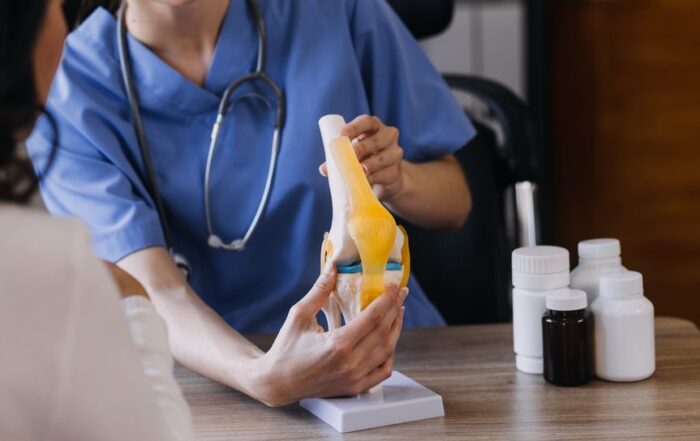
Partial vs Total Knee Replacement: Which Is Right?
Partial and total knee replacement can provide substantial relief. Learn which is best for long-term results.
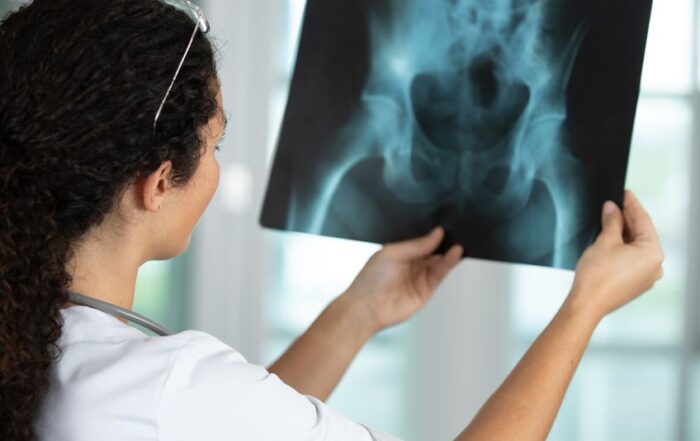
Hip Arthroscopy: Can It Treat Labral Tears And Impingement?
Hip labral tears and impingement may need surgery. Hip arthroscopy is an effective, long-term treatment option.
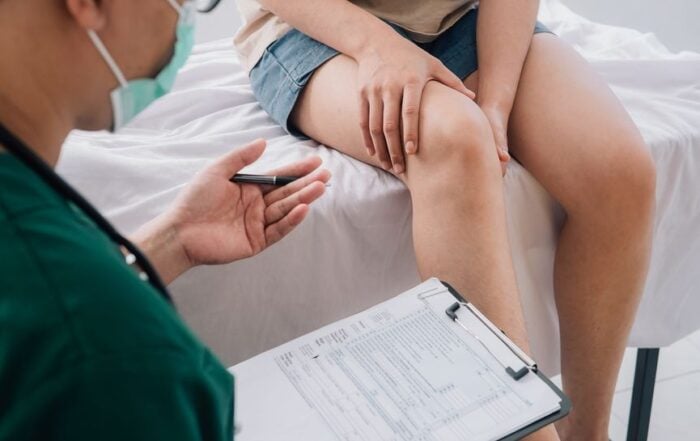
Meniscus Tear Surgery: When Should Patients Consider Repair?
Meniscus tear surgery is a major decision. Learn the factors that help patients to consider surgical repair.
Recent Posts
Shoulder Labral Tear Symptoms: When To Consider Surgery
A shoulder labral tear causes significant pain. Look for these symptoms and the criteria for pain-relieving surgery.
Partial vs Total Knee Replacement: Which Is Right?
Partial and total knee replacement can provide substantial relief. Learn which is best for long-term results.
Hip Arthroscopy: Can It Treat Labral Tears And Impingement?
Hip labral tears and impingement may need surgery. Hip arthroscopy is an effective, long-term treatment option.
Meniscus Tear Surgery: When Should Patients Consider Repair?
Meniscus tear surgery is a major decision. Learn the factors that help patients to consider surgical repair.