
Dealing With Back Pain
Back pain can be a particularly troubling condition. Due to the complexity of the vertebrae and the surrounding areas, people can suffer from muscle strains, ligament strains, and ruptured discs, among other things. Back pain ranges from mild to acute and, in severe cases, lasts for months. To deal with back pain, people have a few choices. Pain management is one of the most common forms of treatment. Pain management includes physical therapy, injections, and alternative therapies like acupuncture. Another option is surgery. Surgery can be relatively invasive or more complicated depending on the patient’s condition.
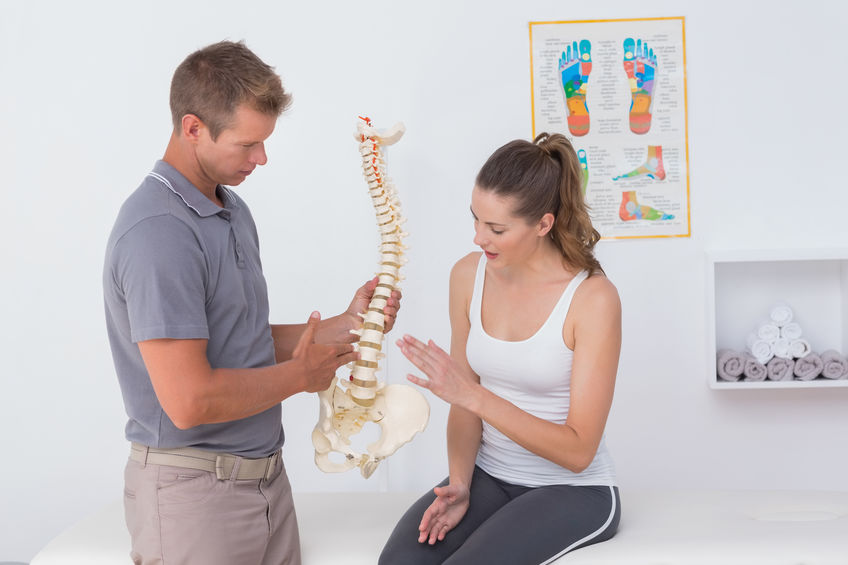
What type of pain management is best?
People with back pain can benefit from interdisciplinary chronic pain management. This approach to pain management uses a team of health professionals such as nurses, psychologists, and physical therapists to deliver comprehensive pain management treatment. Usually, pain management treatments are nonsurgical. The most invasive procedures involve needles or injections. Pain management is a good option for those that are fearful of surgery. Often, doctors will try pain management before performing surgery.
Is spine surgery effective?
Minimally invasive spine surgery (MISS) is an excellent option for several reasons. This type of surgery reduces the risk of blood loss, infection, and muscle damage. Minimally invasive spine surgery is used to treat these conditions:
- Herniated discs
- Spinal infections
- Spinal tumors
- Lumbar spinal stenosis
Doctors perform this surgery by creating a small incision in the back and using an endoscope, a small, flexible surgical tool, to operate on the affected area. Patients that receive this surgery tend to recover faster and deal with less scarring compared to traditional back surgery. Surgery is meant to provide a long-term solution to chronic back pain. The expectation is that after the surgery, the patient will feel little to no back pain.
Which option is best for me?
The best treatment option for a patient struggling with back pain all depends on the patient’s overall health, along with the source of the pain. Certain conditions, such as spinal deformities may require surgery due to the complexity of the issue. Ultimately, the choice is up to the patient and a healthcare provider to determine the right course of action. Patients should schedule a consultation with a healthcare provider to discuss treatment options and learn more about pain management and minimally invasive spine surgery.
Recent Posts

Shoulder Labral Tear Symptoms: When To Consider Surgery
A shoulder labral tear causes significant pain. Look for these symptoms and the criteria for pain-relieving surgery.

Partial vs Total Knee Replacement: Which Is Right?
Partial and total knee replacement can provide substantial relief. Learn which is best for long-term results.
Hip Arthroscopy: Can It Treat Labral Tears And Impingement?
Hip labral tears and impingement may need surgery. Hip arthroscopy is an effective, long-term treatment option.

Meniscus Tear Surgery: When Should Patients Consider Repair?
Meniscus tear surgery is a major decision. Learn the factors that help patients to consider surgical repair.
Recent Posts
Shoulder Labral Tear Symptoms: When To Consider Surgery
A shoulder labral tear causes significant pain. Look for these symptoms and the criteria for pain-relieving surgery.
Partial vs Total Knee Replacement: Which Is Right?
Partial and total knee replacement can provide substantial relief. Learn which is best for long-term results.
Hip Arthroscopy: Can It Treat Labral Tears And Impingement?
Hip labral tears and impingement may need surgery. Hip arthroscopy is an effective, long-term treatment option.
Meniscus Tear Surgery: When Should Patients Consider Repair?
Meniscus tear surgery is a major decision. Learn the factors that help patients to consider surgical repair.