
What Is A Meniscus?
The meniscus is a C-shaped piece of fibrocartilage located in the knee. The cartilage sits on top of the tibia and cushions the tibia and femur. Menisci also support the weight of the upper body, particularly when moving. As a result, meniscus tears are common, particularly with athletes. The resulting knee pain can restrict movement and will need immediate treatment.

Causes and types of tears
Athletes involved with sudden twisting or blow to the leg can experience an acute tear. These are the most common forms of meniscus tears. Older men and women can also experience tears due to wear and tear. Over time, the cartilage can dehydrate and break down. The menisci can tear in different ways. Tears can happen on the outside edge, inside, or through the center of the ligament. The injury could be hard to diagnose, so look for these 3 signs and see a doctor immediately.
1. A sudden pop
Most meniscus tears happen after a collision or sudden move in sports. Athletes often report a short, sudden pop heard in the knee. The pop is quickly followed by swelling on the outside or inside of the knee. The pain can feel intense and needs immediate attention.
2. You can’t bend the knee
With a meniscus tear, bending the knee becomes difficult. The swelling causes pain, stiffness and reduction in range of motion. In addition, the damaged cartilage can rise from the tibia and cause a catching feeling in the knee. That catching or locking feeling with stiffness is a flap tear and sign that the meniscus may be in trouble.
3. Tenderness and discomfort
If left untreated, the knee begins to swell and becomes tender. Fluid starts to build up at the location. The swollen knee feels tender to the touch. This can happen immediately after a collision or gradually in older patients.
Treating your torn meniscus
The doctor will turn to image tests to confirm that a patient has a meniscus tear. The degree of the injury then determines the next steps. There are some cases where a meniscus tear can be treated non-surgically. A combination of ice, rest, physical therapy, and bracing for a few weeks can help. In severe cases, the medical team can turn to biological therapies or surgery. The surgeon will remove damaged cartilage with meniscus surgery and leave the healthy meniscus in place. For some tears, the surgeon will stitch the torn ligament together. Today, surgeons use minimally invasive techniques for the best results.
Don’t wait
A torn meniscus can happen in different ways and is very painful. The injury restricts movement and must be addressed immediately. Look for these symptoms to help determine if the issue is more than a knee sprain. If a surgeon confirms the meniscus is torn, non-surgical and surgical options are available. Consulting with an orthopedic surgeon will determine which treatment options are best.
Recent Posts

Shoulder Labral Tear Symptoms: When To Consider Surgery
A shoulder labral tear causes significant pain. Look for these symptoms and the criteria for pain-relieving surgery.
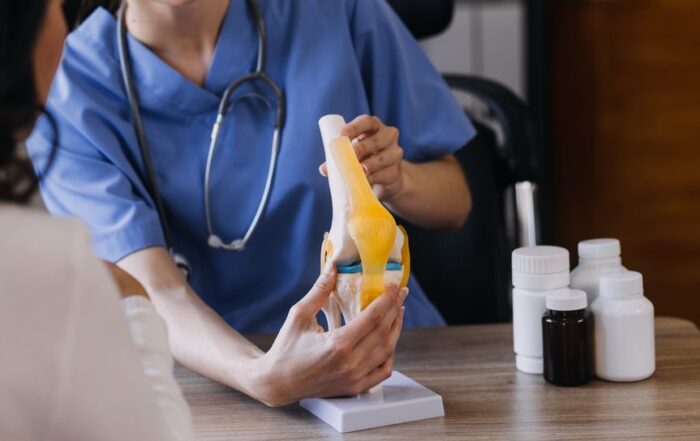
Partial vs Total Knee Replacement: Which Is Right?
Partial and total knee replacement can provide substantial relief. Learn which is best for long-term results.
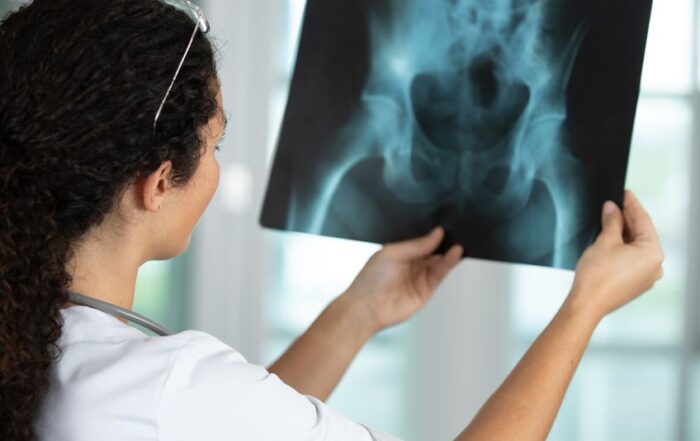
Hip Arthroscopy: Can It Treat Labral Tears And Impingement?
Hip labral tears and impingement may need surgery. Hip arthroscopy is an effective, long-term treatment option.

Meniscus Tear Surgery: When Should Patients Consider Repair?
Meniscus tear surgery is a major decision. Learn the factors that help patients to consider surgical repair.
Recent Posts
Shoulder Labral Tear Symptoms: When To Consider Surgery
A shoulder labral tear causes significant pain. Look for these symptoms and the criteria for pain-relieving surgery.
Partial vs Total Knee Replacement: Which Is Right?
Partial and total knee replacement can provide substantial relief. Learn which is best for long-term results.
Hip Arthroscopy: Can It Treat Labral Tears And Impingement?
Hip labral tears and impingement may need surgery. Hip arthroscopy is an effective, long-term treatment option.
Meniscus Tear Surgery: When Should Patients Consider Repair?
Meniscus tear surgery is a major decision. Learn the factors that help patients to consider surgical repair.