
What Is A Meniscus Tear?
A meniscal tear is an injury that affects the knee joint. The menisci are rubbery discs made of cartilage that support the femur and tibia bones. The menisci stabilize the knee and aid in joint movement. Meniscal tears occur due to trauma from an injury, like twisting the knee. Tears may also occur as people age and the cartilage starts to deteriorate.

How do doctors fix a torn meniscus?
After doctors diagnose a patient with a torn meniscus, a treatment plan will be developed based on the patient’s needs. If the tear is minimal, doctors may tell patients to ice the knee, refrain from strenuous activity, and take over-the-counter medication. If these options do not work, then doctors may suggest surgery. Depending on the type of injury, there are a few different options to explore.
What type of surgery will fix a torn meniscus?
Meniscal repair is the most common type of surgery for a torn meniscus. However, this surgery can only be done if the meniscal tear is located on the outer portion of the cartilage with adequate blood supply. Certain areas of the menisci receive little to no blood. Tears in these areas require meniscal removal. This surgery is called a meniscectomy. Some cases require meniscal replacement. With this procedure, cartilage is taken from a donor and used to replace the damaged meniscus.
Can I develop knee pain after a meniscal surgery?
A meniscectomy can result in arthritis if the entire meniscus is removed. Usually, the arthritis develops 10 years or more after the surgery. This is due to the fact that the knee joints need the cartilage to cushion the bones. Without this cartilage, complications can occur. When a piece of cartilage breaks away from the knee, the cartilage may become lodged in a section of the knee joint. This makes physical activity painful and difficult, and the cartilage must be removed.
What are the potential complications of meniscal repair surgery?
The chance of developing complications from this surgery is low, but some complications may arise. One type of complication is a blood infection but taking antibiotics prior to surgery minimizes this risk. Another issue is blood clotting, but this issue is diminished by wearing compression stockings. The most likely complication is knee stiffness. Doctors manage this issue with knee braces, physical therapy, and exercise. In certain cases, another surgical procedure is performed to alleviate knee stiffness after the initial meniscal repair.
How do I know if my knee pain is caused by meniscal repair?
During the post-recovery phase, patients will feel the most pain. However, this pain is part of the recovery process. Therefore, doctors prescribe anti-inflammatory medications and encourage the patient to go to physical therapy. Doctors want to reduce the post-surgical swelling and help the patient strengthen the knee joints and muscles through physical therapy. Pain from a meniscal repair should start to go away within several weeks or months. If knee pain lasts longer, see the doctor about further treatment options.
Should I speak to a doctor?
Patients considering a meniscal repair surgery should definitely speak to a physician. Patients should also continue following up with a doctor after surgery. Physicians will be able to prescribe medication and help patients address any issues that arise post-surgery.
Recent Posts

Shoulder Labral Tear Symptoms: When To Consider Surgery
A shoulder labral tear causes significant pain. Look for these symptoms and the criteria for pain-relieving surgery.
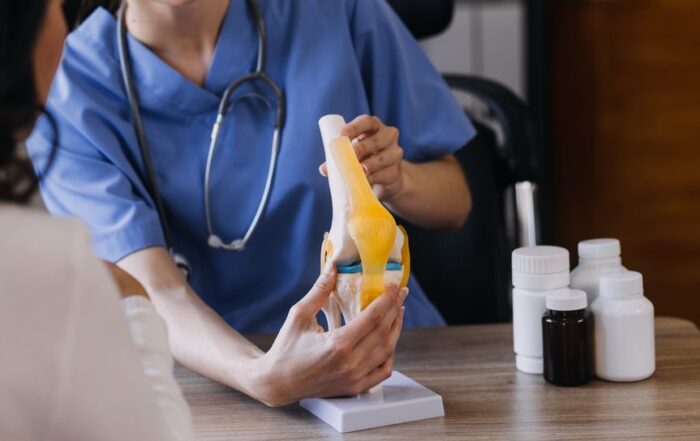
Partial vs Total Knee Replacement: Which Is Right?
Partial and total knee replacement can provide substantial relief. Learn which is best for long-term results.
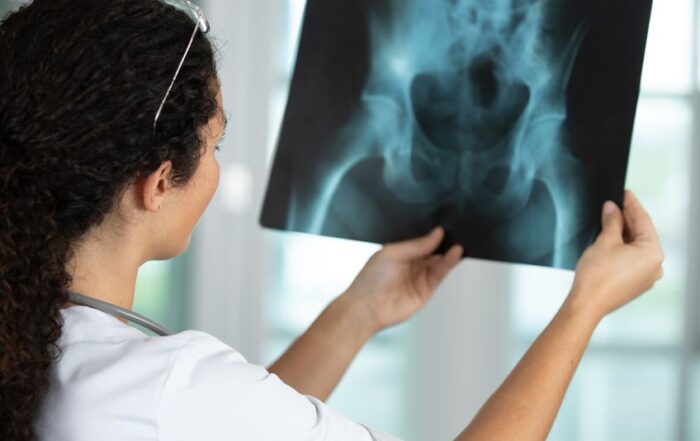
Hip Arthroscopy: Can It Treat Labral Tears And Impingement?
Hip labral tears and impingement may need surgery. Hip arthroscopy is an effective, long-term treatment option.

Meniscus Tear Surgery: When Should Patients Consider Repair?
Meniscus tear surgery is a major decision. Learn the factors that help patients to consider surgical repair.
Recent Posts
Shoulder Labral Tear Symptoms: When To Consider Surgery
A shoulder labral tear causes significant pain. Look for these symptoms and the criteria for pain-relieving surgery.
Partial vs Total Knee Replacement: Which Is Right?
Partial and total knee replacement can provide substantial relief. Learn which is best for long-term results.
Hip Arthroscopy: Can It Treat Labral Tears And Impingement?
Hip labral tears and impingement may need surgery. Hip arthroscopy is an effective, long-term treatment option.
Meniscus Tear Surgery: When Should Patients Consider Repair?
Meniscus tear surgery is a major decision. Learn the factors that help patients to consider surgical repair.