
Surgery And Opioids: Are They Necessary?
The word surgery brings about feelings of anxiety for many patients. Yet, a surgical procedure is one of the most critical tools in healthcare. Surgery, however, is just the start of recovering from a condition or injury. During recovery, managing pain is a genuine concern. Over the years, drugs called opioids helped millions with pain relief, but overdependence created an opioid epidemic. To prevent addiction, surgeons have been opting for minimally invasive surgery instead.

So what exactly are opioids?
Opioids are potent drugs, sometimes called narcotics, which help with pain relief. Opioids link with opioid receptors throughout the body. These receptors are responsible for sending pain signals to the brain. Popular opioids include fentanyl, codeine, and oxycodone. When used over time, opioids can become very addictive. People’s responses to opioids decrease, which can encourage overdosing, which can be deadly. In fact, 2 out of 3 overdose deaths are due to these drugs.
Moving away from open surgery
Open surgery is the most common form of surgery used around the world. To access the internal damage, the surgeon will need to make a large incision. The cut will often pass through tissue, fat, and muscle. Sometimes, pain after surgery is not from the surgeon’s work but from the process of healing the incision. As a result, the doctor may prescribe enough narcotics over several weeks to help with the pain. The best option to reduce the risk of opioids is to move away from open surgery when possible.
Turning to minimally invasive surgery
Advancements in medical technology and science brought about minimally invasive surgery or MIS. Specially trained surgeons use unique tools that can easily access the surgical site without large incisions. An arthroscope is the primary tool used during surgery, a snake-like device with a high-powered camera at the end. The camera projects the surgical site on a monitor. Further microdevices allow the surgeon to cut, stitch, and even replace tissue. MIS has several advantages over open surgery.
A working example
Let’s say a basketball player fell awkwardly and tore the ACL in the knee. Open surgery would require an incision of 8 or more inches along the thigh and past the knee. The surgeon would then need to move the fat and muscles to the side, using clamps to hold the tissue in place. With MIS, the surgeon only requires 2 or 3 incisions the size of buttonholes. One incision is for the scope. The other incisions allow the surgeon to use tools to remove the damaged ligament and attach the new one.
MIS means reduced pain and faster healing times
Reduced pain is the most significant advantage of minimally invasive surgery. The surgeon does not have to damage muscle, fat, and tendons. That means there is significantly less pain. Less pain significantly reduces the need for opioids. MIS means the recovery time drops as well. Today, MIS can happen at ambulatory surgical centers, allowing the patient to leave the same day. The reduced surgery times mean that patients can heal faster. Some can even avoid opioids altogether.
Minimally invasive surgery helps with efficient pain management
Just because the surgery is minimally invasive does not mean there is no pain. What the surgery does offer is the ability for patients to opt for other forms of pain management. Some patients may be concerned about opioid tolerance due to a past experience. With MIS, the doctors can opt for solutions like nonsteroidal anti-inflammatory drugs (NSAIDs), physical therapy, or massage therapy. Studies show that people opting for MIS are 3 times more likely to recover without opioids than open surgery.
Reducing addiction rates
The proof is in the pudding. People using opioids for long periods are more likely to develop dependencies and addictions. Up to 1 in 3 patients misuse opioids, and 12% are likely to develop an addiction. With shorter recovery times, higher success rates, and less pain, patients may not need opioids. Those that do won’t need as many. That’s a big win for the opioid epidemic.
Consider MIS today
If surgery is around the corner, there will be increased concerns about post-operative pain management. For many, that means using opioids to relieve pain. With minimally invasive surgery, the need for narcotics reduces significantly. Patients can find success through other means of pain relief. Of course, not all conditions are eligible for MIS. When possible, ask the surgeon about this innovative type of surgery to avoid opioids altogether.
Recent Posts

Shoulder Labral Tear Symptoms: When To Consider Surgery
A shoulder labral tear causes significant pain. Look for these symptoms and the criteria for pain-relieving surgery.
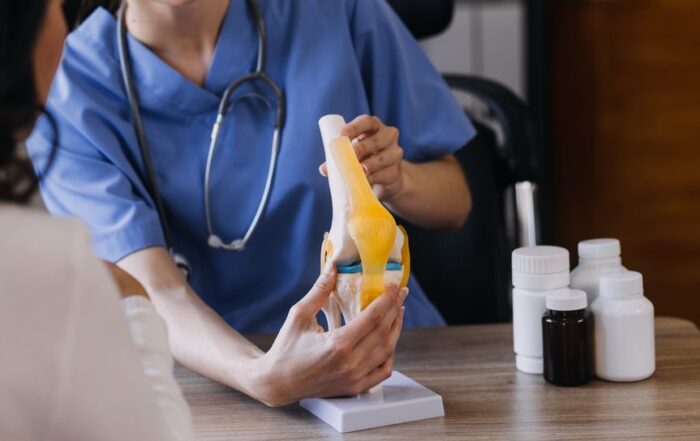
Partial vs Total Knee Replacement: Which Is Right?
Partial and total knee replacement can provide substantial relief. Learn which is best for long-term results.
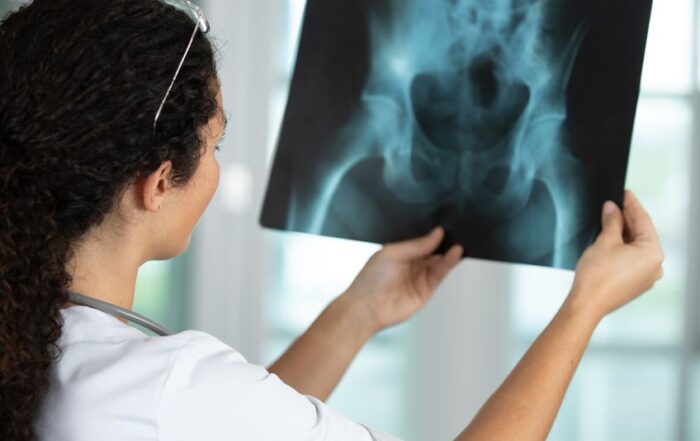
Hip Arthroscopy: Can It Treat Labral Tears And Impingement?
Hip labral tears and impingement may need surgery. Hip arthroscopy is an effective, long-term treatment option.

Meniscus Tear Surgery: When Should Patients Consider Repair?
Meniscus tear surgery is a major decision. Learn the factors that help patients to consider surgical repair.
Recent Posts
Shoulder Labral Tear Symptoms: When To Consider Surgery
A shoulder labral tear causes significant pain. Look for these symptoms and the criteria for pain-relieving surgery.
Partial vs Total Knee Replacement: Which Is Right?
Partial and total knee replacement can provide substantial relief. Learn which is best for long-term results.
Hip Arthroscopy: Can It Treat Labral Tears And Impingement?
Hip labral tears and impingement may need surgery. Hip arthroscopy is an effective, long-term treatment option.
Meniscus Tear Surgery: When Should Patients Consider Repair?
Meniscus tear surgery is a major decision. Learn the factors that help patients to consider surgical repair.