
More Than A Back Pain
All cases of back pain aren’t created equal. Of the millions of patients in America, some can lead to chronic unpleasant symptoms. One of these symptoms is sciatica, which can severely affect the quality of life. If a doctor and patient have tried non-surgical treatment of back pain and sciatica without success, surgery is the next step. A spinal surgeon or specialist will suggest minimally invasive lumbar decompression, bringing excellent, long-term results.

What’s sciatica anyway?
Sciatica is an irritation of the sciatic nerve. These are the 2 largest nerves in the body. Each starts at the lower spine and branches off through the lower back, buttock, and right down to the lower leg. Irritation of the nerve can cause severe nerve pain that runs down one leg. Over time, the pain can worsen and even limit the use of the leg. Sciatica is not a condition rather a symptom of conditions involving the back. The goal is first to find out the root cause of the nerve pain.
Here’s what’s causing that nerve pain
The space between the vertebrae and the spinal cord allows several nerves to branch out to different parts of the body. Should something press on one of these nerves, pain and discomfort can happen. Spinal stenosis, which is a narrowing of the spaces in the spine, is the primary cause of sciatica. Spinal stenosis includes bone spurs, degenerated or herniated discs, thickened ligaments, or an injury. So to bring relief, a doctor or surgeon will suggest surgery if conservative treatment fails.
Turning to surgery
For spinal stenosis, minimally invasive lumbar decompression is the premier option. The surgery restores space at the location, causing sciatica. A minimally invasive procedure means the doctor will need just 2-3 incisions the size of buttonholes. Small tools will address any damage, and an arthroscopic device will project images of the spine on a screen. With this type of surgery, there are fewer chances of infection, faster healing, and improved overall success rates.
What happens during lumbar decompression?
The surgery starts with the patient face down on an operating table. First, an anesthesiologist will apply a local anesthetic at the surgical site. The surgeon then makes a small incision to insert the scope. In some cases, the surgeon will use x-ray technology. Another incision allows the surgeon to insert small tools to remove excess bone or ligaments. After the space is clear, the surgeon removes the tools and closes up the incisions.
Will it help my sciatica?
After surgery, the patient will need a few weeks for recovery. Recovery consists of rest, physical therapy, and pain management. Pain relief will not happen right away due to the necessary healing process. However, over 2 weeks, there will be much-improved pain relief for sciatica. Studies show that patients who’ve had minimally invasive lumbar decompression are satisfied with the results.
Get your nerve pain under control
Sciatic nerve pain can be intense. Patients are often scared that something more severe can happen over time. There is cause for concern since the condition can lead to muscle weakness and a decreased quality of life. Surgery can help but is only offered if months of non-surgical treatment fail. Patients who choose surgery have a new lease on life. Speak with a doctor or surgeon about sciatica, and get nerve pain under control
Recent Posts

Shoulder Labral Tear Symptoms: When To Consider Surgery
A shoulder labral tear causes significant pain. Look for these symptoms and the criteria for pain-relieving surgery.
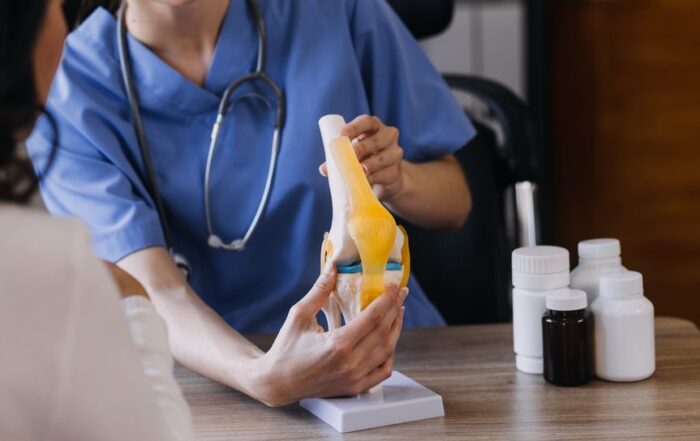
Partial vs Total Knee Replacement: Which Is Right?
Partial and total knee replacement can provide substantial relief. Learn which is best for long-term results.
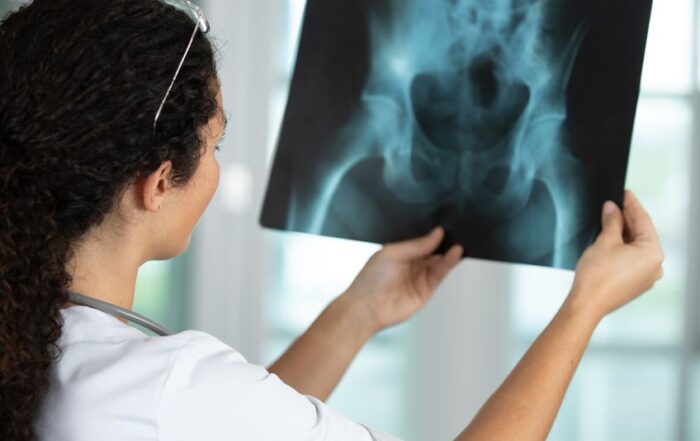
Hip Arthroscopy: Can It Treat Labral Tears And Impingement?
Hip labral tears and impingement may need surgery. Hip arthroscopy is an effective, long-term treatment option.

Meniscus Tear Surgery: When Should Patients Consider Repair?
Meniscus tear surgery is a major decision. Learn the factors that help patients to consider surgical repair.
Recent Posts
Shoulder Labral Tear Symptoms: When To Consider Surgery
A shoulder labral tear causes significant pain. Look for these symptoms and the criteria for pain-relieving surgery.
Partial vs Total Knee Replacement: Which Is Right?
Partial and total knee replacement can provide substantial relief. Learn which is best for long-term results.
Hip Arthroscopy: Can It Treat Labral Tears And Impingement?
Hip labral tears and impingement may need surgery. Hip arthroscopy is an effective, long-term treatment option.
Meniscus Tear Surgery: When Should Patients Consider Repair?
Meniscus tear surgery is a major decision. Learn the factors that help patients to consider surgical repair.