Is Scoliosis Painful?
Although scoliosis is most common in children, patients of any age can suffer from the condition. Scoliosis is an abnormal curvature of the spine. Some people don’t experience any pain from the condition, but others have significant low back pain. In some cases, when nonsurgical treatment options don’t help, patients may consider lumbar decompression surgery.

1. Get regular massages
For patients suffering from scoliosis, massage therapy can offer significant benefits. In addition to pain management, one study showed that scoliosis patients who got massages also experienced better sleep. Massage therapy can also help to decrease stress and anxiety, enhance mobility, and increase circulation.
2. Try pain management
In most cases, physicians will recommend a variety of pain management strategies before suggesting surgery. Some of the most common of these can include steroid injections or spinal cord stimulators. With a steroid injection, the goal is to reduce inflammation and pain at a specific place along the spine. This treatment can be effective, although injections don’t provide long-term relief. A spinal cord stimulator works by disrupting the pain signals from the damaged nerve. For many patients, this can be highly effective.
3. Take medication
For many people, over-the-counter pain relievers can go a long way in offering pain relief. If these medications don’t help to improve symptoms, doctors may give a prescription for a stronger medication. Some out-of-the-box options can work as well. For some patients, antidepressants have a direct effect on both decreasing physical pain and improving mood.
When to consider surgery
Most patients with scoliosis do not need surgery. However, if the pain does not improve after exhausting a range of nonsurgical treatment options, doctors may recommend surgery. Typically, the recommended scoliosis procedure is a lumbar decompression. In this procedure, the surgeon removes a compressed disc to help relieve pressure on the spine.
Can I prevent scoliosis?
In about 80% of cases, the exact cause of scoliosis is unknown. This can make the prevention of the condition even more challenging. Being aware of early warning signs is critical. People may start to notice an uneven waistline or that clothes are fitting differently. In some cases, especially in children, a visible curve of the spine might be evident when standing behind the patient.
Find treatment today
Patients who are experiencing chronic low back pain and scoliosis should consult with a healthcare provider. Orthopedic specialists can diagnose the root cause of back pain and provide treatment options to help patients find relief.
Recent Posts

Shoulder Labral Tear Symptoms: When To Consider Surgery
A shoulder labral tear causes significant pain. Look for these symptoms and the criteria for pain-relieving surgery.
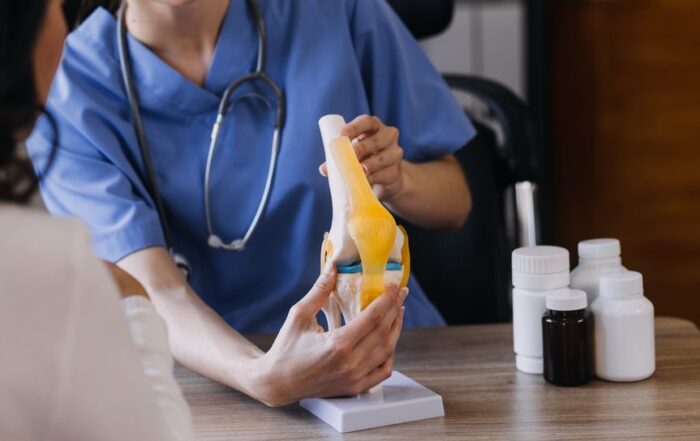
Partial vs Total Knee Replacement: Which Is Right?
Partial and total knee replacement can provide substantial relief. Learn which is best for long-term results.
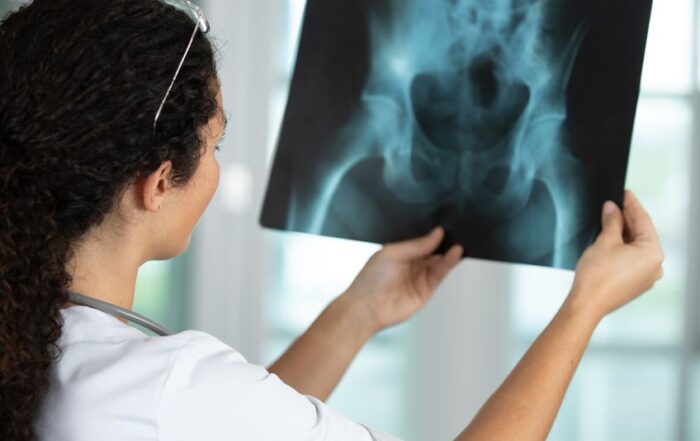
Hip Arthroscopy: Can It Treat Labral Tears And Impingement?
Hip labral tears and impingement may need surgery. Hip arthroscopy is an effective, long-term treatment option.
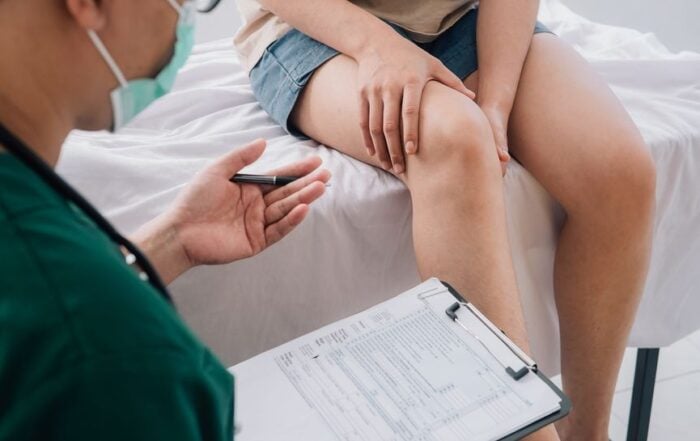
Meniscus Tear Surgery: When Should Patients Consider Repair?
Meniscus tear surgery is a major decision. Learn the factors that help patients to consider surgical repair.
Recent Posts
Shoulder Labral Tear Symptoms: When To Consider Surgery
A shoulder labral tear causes significant pain. Look for these symptoms and the criteria for pain-relieving surgery.
Partial vs Total Knee Replacement: Which Is Right?
Partial and total knee replacement can provide substantial relief. Learn which is best for long-term results.
Hip Arthroscopy: Can It Treat Labral Tears And Impingement?
Hip labral tears and impingement may need surgery. Hip arthroscopy is an effective, long-term treatment option.
Meniscus Tear Surgery: When Should Patients Consider Repair?
Meniscus tear surgery is a major decision. Learn the factors that help patients to consider surgical repair.