Tarsal Tunnel Syndrome And Plantar Fasciitis
Often called TTS, tarsal tunnel syndrome occurs when the posterior tibial nerve is compressed in the tarsal tunnel. The tunnel is located near the heel and allows the nerve to travel into the sole of the foot. Compression can be caused by fallen arches, swelling due to ankle injury or disease, or even bone spurs. In contrast, the most common cause of heel pain is plantar fasciitis. Inflammation of the plantar fascia can cause severe stabbing pain. Often the pain is worse with the first steps taken in the morning. The pain may lessen throughout the day but return with long periods of standing or after sitting.
Diagnosis by exam
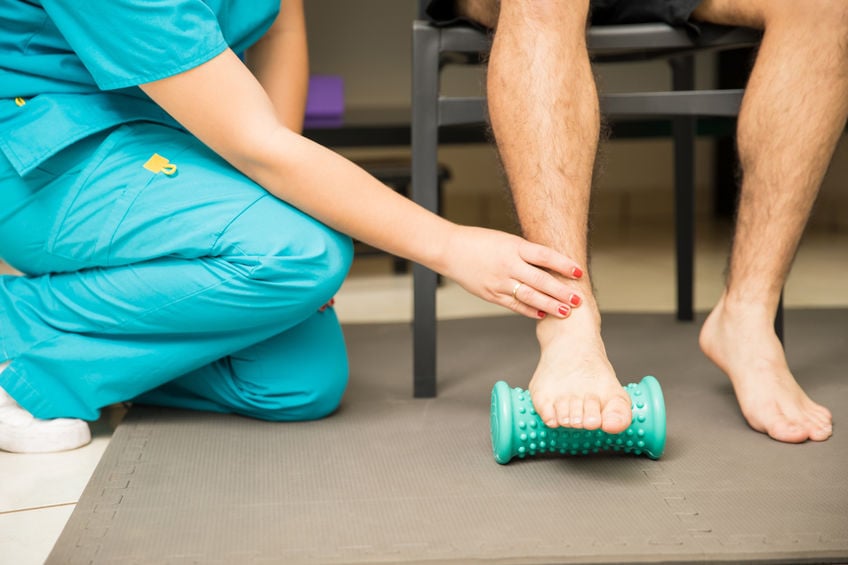
Diagnosis of TTS or plantar fasciitis is generally made through physical examination and history of the discomfort. The location of pain with testing often determines which problem is present. TTS pain is more often described as burning or tingling and is felt with palpation just below the ankle bone. Commonly a tingling sensation extends to the heel, toes, or arch.
Plantar fasciitis pain is located more along the bottom of the foot, primarily near the heel. The pain is generally described as stabbing pain and occurs more after exercise than during the activity. Palpation of the heel and bottom of the foot to determine the area of tenderness will assist with diagnosis.
Conservative treatment options
Both TTS and plantar fasciitis have several treatment options before surgery is considered. Medication to treat the inflammation present with both diagnoses is the first step. Over-the-counter pain relievers are frequently the first treatment to be tried. The second step in treatment may be the use of a splint, brace or orthotic or possibly a steroid injection to the inflamed area.
Surgical interventions
When other more conservative treatments have failed, surgical intervention may be needed. This is generally not done unless pain persists through several months of other treatments and interferes with daily function. This is usually limited to an exceedingly small number of patients.
TTS release
Surgical treatment for TTS involves a small opening made behind the ankle and extending down to the arch of the foot. Through that opening, the surgeon divides and repositions the ligament so that there is no pressure on the tibial nerve.
Plantar fasciitis surgery
Surgical intervention for plantar fasciitis involves detaching the plantar fascia from the heel bone. The surgery can be done under local anesthesia and through a small incision in many cases. However, some may require a larger incision and general anesthesia. The open approach does require a longer recovery time with delayed full weight-bearing on the affected foot.
Is it time for surgery?
Patients with occupations requiring a high level of activity may struggle to work daily with TTS or plantar fasciitis. However, surgical intervention should still not be the first choice of treatment. Surgery for either condition also involves several weeks of recovery, often including no weight-bearing on the foot. After 6-12 months devoted to conservative treatment and with persistent pain, that’s the time to begin talking about surgery. For more information about treatment for foot pain, speak with an orthopedic specialist.
Recent Posts

Shoulder Labral Tear Symptoms: When To Consider Surgery
A shoulder labral tear causes significant pain. Look for these symptoms and the criteria for pain-relieving surgery.
Partial vs Total Knee Replacement: Which Is Right?
Partial and total knee replacement can provide substantial relief. Learn which is best for long-term results.
Hip Arthroscopy: Can It Treat Labral Tears And Impingement?
Hip labral tears and impingement may need surgery. Hip arthroscopy is an effective, long-term treatment option.

Meniscus Tear Surgery: When Should Patients Consider Repair?
Meniscus tear surgery is a major decision. Learn the factors that help patients to consider surgical repair.
Recent Posts
Shoulder Labral Tear Symptoms: When To Consider Surgery
A shoulder labral tear causes significant pain. Look for these symptoms and the criteria for pain-relieving surgery.
Partial vs Total Knee Replacement: Which Is Right?
Partial and total knee replacement can provide substantial relief. Learn which is best for long-term results.
Hip Arthroscopy: Can It Treat Labral Tears And Impingement?
Hip labral tears and impingement may need surgery. Hip arthroscopy is an effective, long-term treatment option.
Meniscus Tear Surgery: When Should Patients Consider Repair?
Meniscus tear surgery is a major decision. Learn the factors that help patients to consider surgical repair.