
Timing Your Return To The Courts
Pickleball is a fast-growing sport that combines elements of tennis, badminton, and ping-pong. However, the overhead swings, quick movements, and repetitive motions can put stress on the shoulder, sometimes leading to rotator cuff injuries. While many minor rotator cuff issues can be treated with rest, physical therapy, or injections, severe tears often require surgical rotator cuff repair. Recovery timelines typically range from 4-12 months before full pickleball activity can resume.
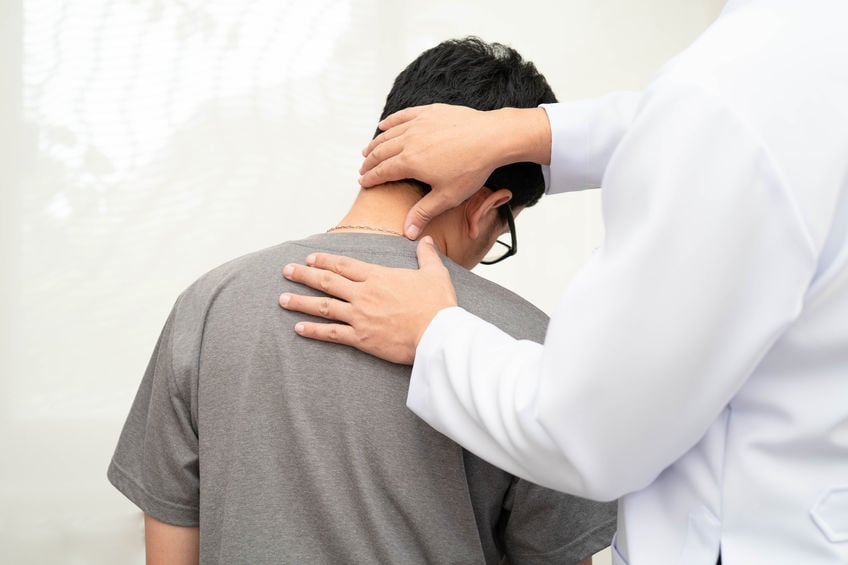
When therapy fails
The rotator cuff is a group of muscles and tendons that stabilize the shoulder joint. Injuries, such as tears, can occur from overuse, trauma, or degeneration. When conservative treatments like physical therapy and rest are not enough, surgery may be necessary. Most cases can be treated using minimally invasive arthroscopic techniques. This method requires smaller incisions, reduced soft tissue damage, and potentially faster recovery times than open surgery.
Immediate post-op recovery
During these first critical weeks, protecting the surgical repair takes priority. A sling immobilizes the shoulder while the reattached tendons begin healing to bone. Physical therapists carefully guide the arm through gentle, passive motions to maintain mobility without straining the repair. Ice and medication help manage expected swelling and discomfort. All active movements, lifting, and sudden motions remain strictly off-limits during this delicate healing window.
Early rehabilitation
During the first few months of recovery, the shoulder begins to move carefully moving again after the initial healing period. While the sling is removed, the arm still requires protection. Therapists help move the joint through comfortable ranges to prevent stiffness, using light resistance bands to gently wake up the muscles. No lifting or pushing is allowed yet. The repaired tendons are still bonding to the bone and require additional time to strengthen.
Strengthening your shoulder
By months 3-6, the shoulder builds back the original strength safely. Controlled exercises with light weights help the muscles relearn how to work together. Overhead motions start carefully, focusing on proper form first. Sport-specific movements begin at low intensity. The shoulder moves more normally but is not ready for hard throws or sudden jerks yet.
Returning to the sport
From 6-12 months, the shoulder trains for game-ready performance through gradual challenges. Drills simulate actual sport movements at increasing intensity. Full clearance comes only when there is no pain during intense activity, strength matches the uninjured side, and control stays solid even when tired. This careful approach prevents reinjury when returning to play.
Getting back in the game
Returning to pickleball after rotator cuff surgery requires patience and discipline. Each phase of the recovery process builds on the last, ensuring the repaired tendon heals properly and regains full function. Rushing too soon can lead to re-injury, so following medical guidance is crucial. With proper rehab, most players can eventually return to the courts, stronger and more mindful of shoulder mechanics.
Recent Posts
Partial vs Total Knee Replacement: Which Is Right?
Partial and total knee replacement can provide substantial relief. Learn which is best for long-term results.
Hip Arthroscopy: Can It Treat Labral Tears And Impingement?
Hip labral tears and impingement may need surgery. Hip arthroscopy is an effective, long-term treatment option.
Meniscus Tear Surgery: When Should Patients Consider Repair?
Meniscus tear surgery is a major decision. Learn the factors that help patients to consider surgical repair.
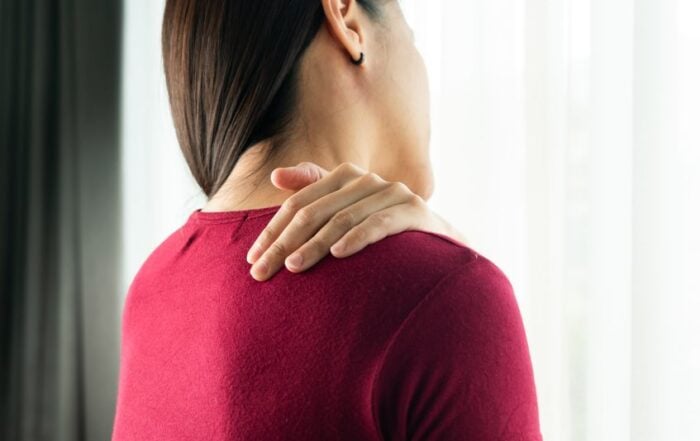
Rotator Cuff Repair: Restoring Mobility & Relieving Shoulder Pain
Rotator cuff repair can relieve shoulder pain and restore strength. Learn how surgery works, recovery timelines, and when repair may be needed.