
What Happens After Surgery
These days, many surgeries that previously required one or more nights in the hospital for recovery no longer do. In many cases, a person is discharged on the same day, and given a litany of instructions that must be explicitly followed to ensure proper healing. However, in the early days, people need help to stay on track. Here are a few smart tips and tricks to fast-track healing and get back to normal life quicker.

Enlist help when needed
After being released from the hospital or medical facility, people usually experience limited mobility. Whether because of pain medications or the actual surgery, basic tasks like even getting home safely require help. Because of this reality, doctors will always recommend bringing a trusted friend or relative on the operation day to drive the patient home and manage simple household tasks for the first day or two.
Get plenty of rest
One of the best ways the body heals is through rest. One of the best tips to aid in recovery is to get plenty of rest. Especially in the first few days after surgery, slowing down is essential to ensure that the incision site heals properly.
Stay hydrated
Similar to slowing down in the beginning, staying hydrated is so important for people recovering from surgery. Experts recommend that recovering patients aim for 8-10 glasses of water per day. Note that unsweetened tea can also be included as healthy hydration.
But don’t overdo bed rest
Even though early recovery tips urge people to stay in bed and avoid too much activity, there is a limit. In reality, staying sedentary for too long can delay healing and even create dangerous situations. For example, the risk of blood clots, pulmonary embolisms, or even pressure ulcers from not moving enough is real. Engaging in gentle movements can help avoid those risks. Constipation is also a common side effect after surgery, yet moving around can help to keep the bowels moving.
Take medications as prescribed
Surgeons prescribe medications for a reason. Sometimes the goal is pain management, and in other scenarios, the prescription may be necessary to speed healing as a dual treatment approach. Pain medications can help minimize discomfort that might interfere with sleep, mobility, or even appetite. When given medications, follow the instructions.
Do your PT
Physical therapy (PT) isn’t just a nice to have activity. The practice of gently strengthening muscle groups or joints, and relearning how to move properly to avoid injury, is essential. Physical therapy, especially for surgeries designed to fix mobility issues, is a necessary step in the healing journey. If a physician recommends physical therapy, once cleared to do so, don’t skip the sessions.
Prioritize nutrition
Eating well is critical for giving the body the nutrition and fuel necessary to properly heal. Avoid binging on greasy, fatty foods that don’t have enough nutritional value. Instead, seek nutrient-dense foods unless a doctor specifically advises against certain foods.
Take control of healing
Whether elective or necessary, surgery comes with recovery timelines. Being mindful of the foods eaten, attending physical therapy, and getting help when needed are all essential for healing effectively. When in doubt, speak with the surgeon to confirm the best practices for recovering from an outpatient surgery.
Recent Posts
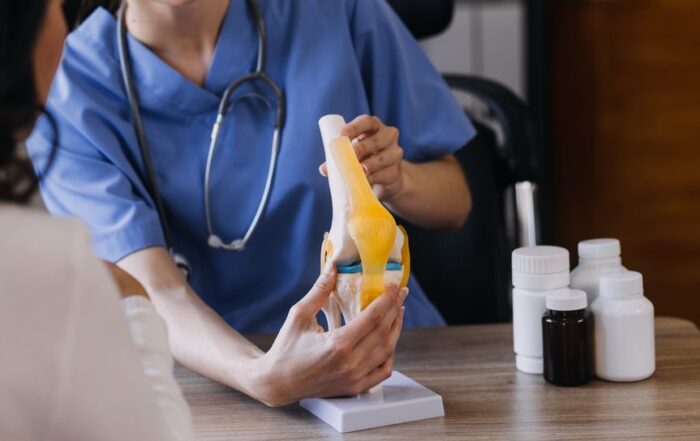
Partial vs Total Knee Replacement: Which Is Right?
Partial and total knee replacement can provide substantial relief. Learn which is best for long-term results.

Hip Arthroscopy: Can It Treat Labral Tears And Impingement?
Hip labral tears and impingement may need surgery. Hip arthroscopy is an effective, long-term treatment option.

Meniscus Tear Surgery: When Should Patients Consider Repair?
Meniscus tear surgery is a major decision. Learn the factors that help patients to consider surgical repair.

Rotator Cuff Repair: Restoring Mobility & Relieving Shoulder Pain
Rotator cuff repair can relieve shoulder pain and restore strength. Learn how surgery works, recovery timelines, and when repair may be needed.