
Is Your Fracture An Orthopedic Emergency?
The human body is quite resilient and can withstand many falls or collisions. The result is often cuts and bruises that heal without much attention. Yet, there are times when an injury is no longer minor but an orthopedic emergency. Doctors define an orthopedic emergency as damage to bone, ligament, or tissue that requires immediate medical attention. Most cases are severely broken bones or compound fractures, where the bone pierces the skin. There are over 6 million fractures every year of varying severity. Severe injuries must be addressed immediately with open reduction internal fixation (ORIF) surgery.

What is ORIF?
An orthopedic surgeon will perform open reduction internal fixation (ORIF), a procedure to safely secure broken bones. These are particularly common with broken arms, legs, ankles, and wrists. ORIF patients include those are unable to use the limb, experiencing some bleeding, and in severe pain. The goal is to reposition the bones as quickly as possible, then use metal internal fixators to keep the bone in place for recovery. Orthopedic emergencies require ORIF surgery to happen immediately and the procedure can take several hours.
What happens during the procedure?
The patient will receive a physical exam, X-ray, or magnetic resonance imaging (MRI) to review the extent of the damage. In the operating room, the patient will receive general anesthesia. The surgeon will cut the skin at the injury site to access the broken bones. The bones are carefully set back in the original position. Once the team is satisfied, metal parts are used to keep the bones in place. This could be a combination of rods, screws, pins, and plates. The surgeon will close the incision areas with stitches and then apply bandages or a cast. In some severe cases, the limb can be outfitted with an external metal cage.
ORIF recovery
Depending on the severity of the injury, the patient may need to spend several days in the hospital. The broken bones need time to heal. Healing time varies, depending on factors like age and health. Some ORIF patients can recover in 3 months, while others can take 6-12 months. Recovery requires pain management and proper care of the surgical site to prevent infection. The medical team will provide appropriate care instructions and prescribe pain medication as needed. Once the surgeon removes the stitches, physical therapy can help the patient regain strength and range of motion.
Risk and success rate
ORIF surgery has a high success rate, and patients can resume movement after recovery. Emergency surgeries like ORIF, however, do run the risk of complications. Patients should be aware of bleeding, infections, pressure buildup, and negative responses to anesthesia. Sometimes, the metal components can shift out of place, or the bone heals incorrectly, limiting mobility. The surgeon will discuss all possible complications and solutions, if necessary.
Take action immediately
ORIF surgery is essential in treating a patient with a significant fracture of a joint or limb. These are orthopedic emergencies, especially if the bone is in pieces or penetrates the skin. The metal components help keep the bones in place during the healing process, so the patient should follow all recovery instructions. If a fall or accident occurs and there are signs of a compound fracture, seek medical help immediately.
Recent Posts

Shoulder Labral Tear Symptoms: When To Consider Surgery
A shoulder labral tear causes significant pain. Look for these symptoms and the criteria for pain-relieving surgery.
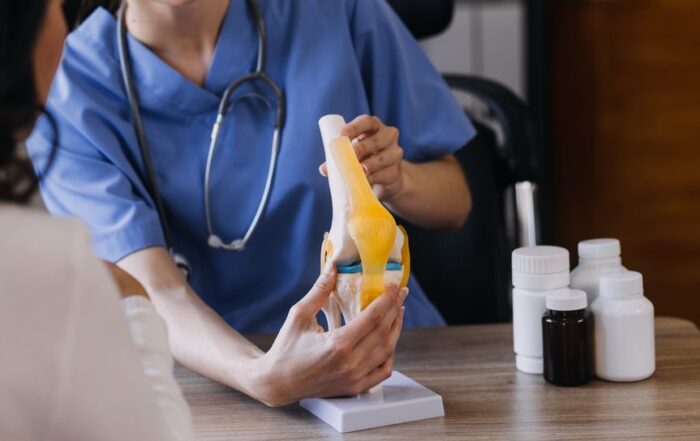
Partial vs Total Knee Replacement: Which Is Right?
Partial and total knee replacement can provide substantial relief. Learn which is best for long-term results.
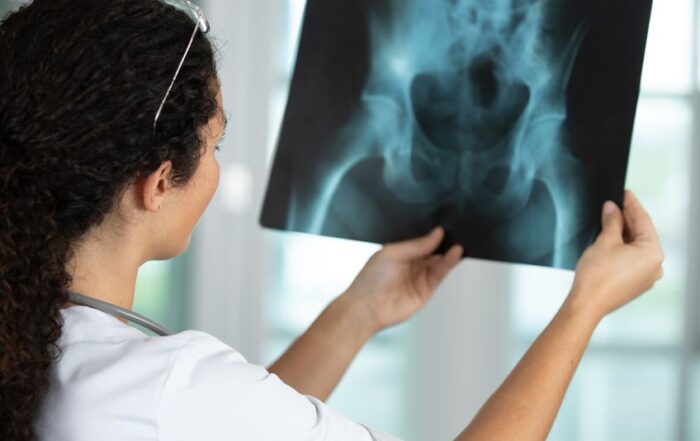
Hip Arthroscopy: Can It Treat Labral Tears And Impingement?
Hip labral tears and impingement may need surgery. Hip arthroscopy is an effective, long-term treatment option.

Meniscus Tear Surgery: When Should Patients Consider Repair?
Meniscus tear surgery is a major decision. Learn the factors that help patients to consider surgical repair.
Recent Posts
Shoulder Labral Tear Symptoms: When To Consider Surgery
A shoulder labral tear causes significant pain. Look for these symptoms and the criteria for pain-relieving surgery.
Partial vs Total Knee Replacement: Which Is Right?
Partial and total knee replacement can provide substantial relief. Learn which is best for long-term results.
Hip Arthroscopy: Can It Treat Labral Tears And Impingement?
Hip labral tears and impingement may need surgery. Hip arthroscopy is an effective, long-term treatment option.
Meniscus Tear Surgery: When Should Patients Consider Repair?
Meniscus tear surgery is a major decision. Learn the factors that help patients to consider surgical repair.