
What Is Causing Numbness And Tingling In My Feet?
Chronic numbness and tingling in the feet could be a sign of a nerve issue. Peripheral neuropathy is a condition that affects the nerves that link the central nervous system to the rest of the body. This system of nerves sends messages from the brain and spinal cord to major internal organs and muscles throughout the body. When these nerves get damaged, patients experience a variety of symptoms that may require nerve decompression surgery.

What are the symptoms of peripheral neuropathy?
Peripheral neuropathy is caused by a neuroma, commonly known as a pinched nerve. The two most common types of neuropathy are mononeuropathy, damage to a single nerve, and polyneuropathy, which is damage to multiple nerves. Common peripheral neuropathy symptoms include:
- Cramps
- Numbness
- Tingling sensations
- Uncontrolled muscle twitching
- Muscle shrinking
- Burning sensations in feet
The body organizes groups of peripheral nerves into dermatomes. Each dermatome is connected to a specific part of the body. Polyneuropathy can impact the entire dermatome, while mononeuropathy damages a single nerve. Carpal tunnel syndrome is an example of mononeuropathy. Symptoms can last for months or years depending on the severity of the neuroma and the area affected.
What causes neuropathy?
Neuropathy is caused by several different factors. People with chronic diseases like diabetes and high blood pressure are more susceptible to peripheral neuropathy. Physical injuries and car accidents can also cause neuropathy. Certain forms of cancer, along with vitamin B12 deficiency, have also been linked to neuropathy.
What are the treatments for neuropathy?
First, medical professionals will perform a series of tests to identify the presence of neuropathy along with the cause. These tests range from neurological exams and genetic tests to body fluid tests. Physicians will also conduct imaging tests like CT scans and MRIs to locate the pinched nerves. Doctors will try a variety of treatments to relieve neuropathy. Treatments like physical therapy, foot braces, medication and lidocaine patches are common options for neuropathy therapy.
If these treatments do not work, doctors will move on to more invasive procedures like surgery. Nerve decompression surgery is the most common type of surgical treatment for neuropathy. The two main types of nerve decompression surgery are spinal and peripheral.
What happens during nerve decompression surgery?
This depends on the type of surgery being performed. Spinal decompression surgery requires work on the nerves surrounding the spine. For example, doctors might operate on a herniated disc exerting pressure on a nerve ending. Peripheral surgery affects another area of the body like the hands or wrist. Carpal tunnel surgery is a type of peripheral nerve decompression surgery.
Am I a candidate for nerve decompression surgery?
Patients wondering about nerve decompression surgery should speak with a physician. A physician will be able to examine a patient to diagnose the root cause of any nerve injuries properly. Then, doctors can decide if surgery is the right treatment option. Patients experiencing any of these symptoms should schedule a consultation as soon as possible.
Recent Posts

Shoulder Labral Tear Symptoms: When To Consider Surgery
A shoulder labral tear causes significant pain. Look for these symptoms and the criteria for pain-relieving surgery.
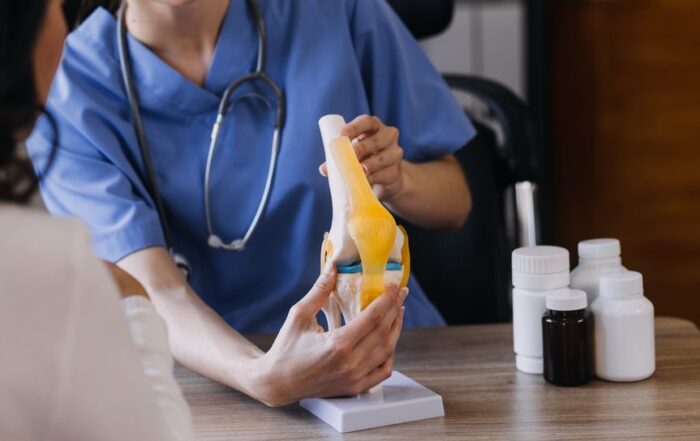
Partial vs Total Knee Replacement: Which Is Right?
Partial and total knee replacement can provide substantial relief. Learn which is best for long-term results.
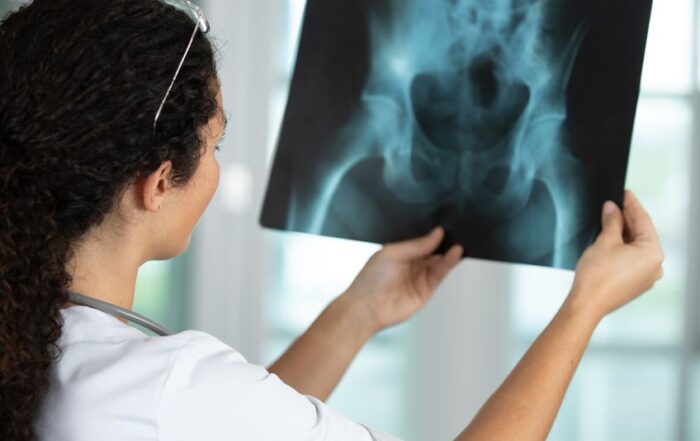
Hip Arthroscopy: Can It Treat Labral Tears And Impingement?
Hip labral tears and impingement may need surgery. Hip arthroscopy is an effective, long-term treatment option.

Meniscus Tear Surgery: When Should Patients Consider Repair?
Meniscus tear surgery is a major decision. Learn the factors that help patients to consider surgical repair.
Recent Posts
Shoulder Labral Tear Symptoms: When To Consider Surgery
A shoulder labral tear causes significant pain. Look for these symptoms and the criteria for pain-relieving surgery.
Partial vs Total Knee Replacement: Which Is Right?
Partial and total knee replacement can provide substantial relief. Learn which is best for long-term results.
Hip Arthroscopy: Can It Treat Labral Tears And Impingement?
Hip labral tears and impingement may need surgery. Hip arthroscopy is an effective, long-term treatment option.
Meniscus Tear Surgery: When Should Patients Consider Repair?
Meniscus tear surgery is a major decision. Learn the factors that help patients to consider surgical repair.