
How To Heal Faster After Surgery
Meniscus tear surgery can feel like a setback, but is also a step toward relief and recovery. With the right care, the body can start to regain strength, reduce pain, and move more freely again. Careful movement, smart habits, and patience all help speed up the healing of a meniscus tear and make daily life feel easier, step by step.

What to expect after surgery
The days after surgery often bring swelling, stiffness, and soreness around the knee. Movement may feel limited at first, but that is a natural part of healing. Gentle activity, rest, and guided care help the joint settle and begin to recover. With time, the knee grows stronger, swelling fades, and each step becomes more stable and comfortable.
Managing pain and swelling
Pain and swelling are most intense in the early days, but small actions can make a big difference. Cold packs reduce inflammation and bring relief, while compression helps support the joint and limit fluid buildup. Elevating the leg and taking breaks from movement allow the knee to rest and reset. Steady care now sets the stage for smoother healing later.
Movement and mobility milestones
Early movement plays a major role in recovery, even when progress feels slow. Gentle stretching and guided exercises help the knee regain flexibility and strength without added strain. Walking with support may come first, followed by more stable steps as healing continues. Each small gain adds up, bringing better balance, steadier motion, and more confidence with time.
Strengthening the knee
Strong muscles around the knee provide support and protect the joint during recovery. Targeted exercises for the thighs, hips, and calves help restore balance and reduce pressure on healing tissue. As strength builds, everyday movements become easier and more controlled. A steady approach to muscle work can also lower the risk of future injury.
Nutrition for faster recovery
Healing starts from the inside, and the right foods can help the process along. Protein supports tissue repair, while vitamins and minerals fuel recovery and reduce inflammation. Meals rich in leafy greens, colorful fruits, and healthy fats give the body what it needs to rebuild. A well-fed body moves better, feels stronger, and heals more efficiently.
When to resume daily activities
Returning to daily tasks depends on steady progress and how the knee responds to movement. Light activities may feel manageable within a few weeks, while more demanding routines often take longer. Signs like reduced pain, better balance, and smoother motion help signal when it is time to do more. Patience and pacing lead to safer, longer-lasting results.
Long-term recovery tips
Recovery does not end when pain fades. Lasting results come from ongoing care. Staying active, keeping muscles strong, and protecting the joint during high-impact movement all support long-term knee health. Good habits today help prevent future setbacks and keep the body moving with strength, comfort, and stability over time.
The road to a better knee
Healing after meniscus tear surgery takes time, but steady care leads to steady progress. Each choice, including rest, movement, nutrition, and strength, plays an important role in how the body recovers. With consistency and patience, mobility returns, pain fades, and daily life begins to feel strong and steady again.
Recent Posts

Shoulder Labral Tear Symptoms: When To Consider Surgery
A shoulder labral tear causes significant pain. Look for these symptoms and the criteria for pain-relieving surgery.
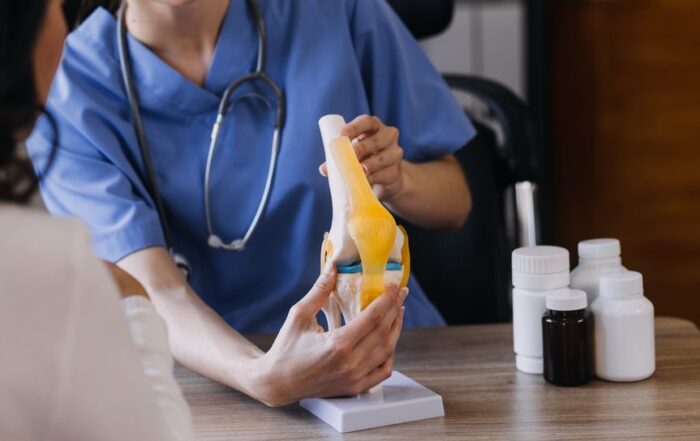
Partial vs Total Knee Replacement: Which Is Right?
Partial and total knee replacement can provide substantial relief. Learn which is best for long-term results.
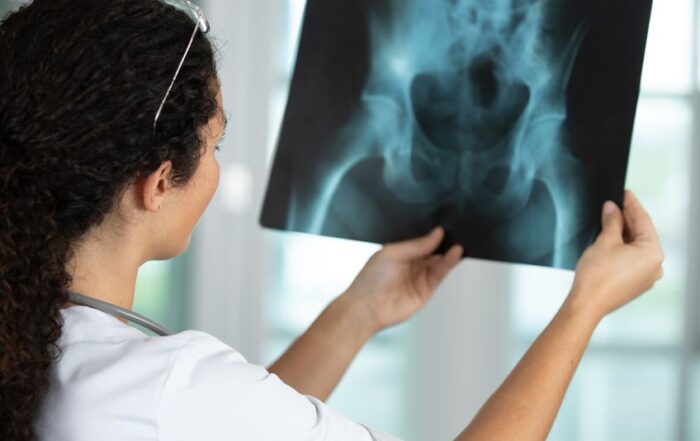
Hip Arthroscopy: Can It Treat Labral Tears And Impingement?
Hip labral tears and impingement may need surgery. Hip arthroscopy is an effective, long-term treatment option.

Meniscus Tear Surgery: When Should Patients Consider Repair?
Meniscus tear surgery is a major decision. Learn the factors that help patients to consider surgical repair.